
Wildlife in Namibia
Namibia
Desert parks you can self-drive or book
Named parks and coast colonies are on a visitor map — gates, rest camps, and tours. Self-drive is normal. The wildlife and landscape are the trip.
- Self-drive and booked tours
- Known wild parks
- A visitor week, not a closed concession only
The vibe
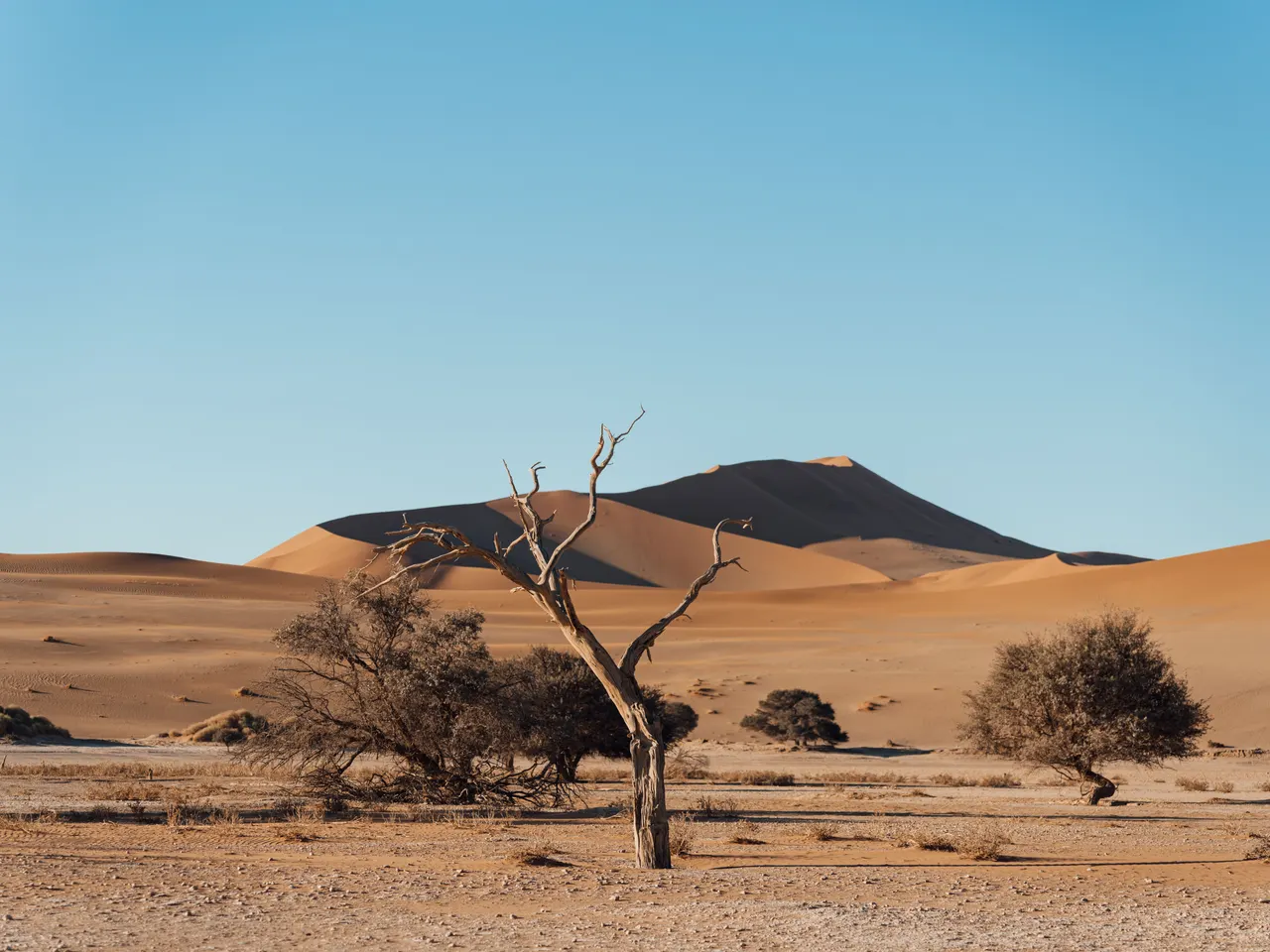
Encountering animals here plays out around desert waterholes and vast salt pans where oryx and elephants stand out sharply against white crust and rust-red dunes. The dry winter months concentrate game around shrinking water sources, offering the most reliable viewing. The experience ranges from independent self-drive safaris in national parks to quiet, exclusive stays at remote private reserves.
Standard national park entry permits required at gates

Bwabwata National Park
Zambezi
Frans-Banja Mulder / Wikimedia Commons (CC BY 3.0)
Drained by perennial rivers like the Okavango and Kwando, the Zambezi Region (formerly Caprivi Strip) offers a lush contrast to Namibia's arid interior. Bwabwata National Park is a crucial wildlife corridor supporting large herds of elephants, buffalo, hippos, and crocodiles.
Access. Explored via 4x4 vehicle tracks or guided boat cruises on the rivers. A high-clearance vehicle is recommended for exploring interior tracks.
Notes. Summer rains bring lush scenery and bird migration, but certain areas become inaccessible without proper vehicles. Exercise caution near rivers due to crocodiles and hippos.

Damaraland
Erongo Region
Ragnhild&Neil Crawford from Sweden / Wikimedia Commons (CC BY-SA 2.0)
Damaraland is renowned for its rare desert-adapted elephants and black rhinos that roam the rugged, rocky terrain. This region offers a raw, remote safari experience where wildlife tracking is the primary draw.
Access. Best explored with a specialized local guide or on a guided safari tour, as tracking animals in this vast area requires local expertise.
Notes. Wildlife is free-roaming and sparse; patience and professional guides are essential for sightings.

Dorob National Park (Cape Cross)
Erongo Region
Robur.q / Wikimedia Commons (CC BY-SA 4.0)
Situated along the central coast north of Swakopmund, the reserve encompasses the world's largest breeding colony of Cape fur seals at Cape Cross. During the breeding season, hundreds of thousands of howling seals pack the shoreline, drawing jackals and hyenas.
Access. Easily reached via paved coastal roads from Swakopmund or Henties Bay. Boardwalks allow visitors to observe the massive colony up close.
Notes. Strong pungent odors from the colony are expected; keeping a respectful distance from territorial bull seals is crucial for safety.

Etosha National Park
Oshana
Hans Stieglitz / Wikimedia Commons (CC BY-SA 3.0)
Etosha is Namibia's premier wildlife sanctuary, centered around a vast mineral pan that attracts massive herds of elephants, zebras, and giraffes. Waterholes dotted along the southern edge provide exceptional year-round game viewing, particularly during the dry winter months.
Access. Accessible via self-drive or guided 4x4 safaris through several main park gates. Rest camps feature floodlit waterholes for night-time wildlife observation.
Notes. Dry season (May to October) offers the best wildlife viewing as animals congregate at waterholes. Malaria prophylaxis is recommended for the northern parts.

Lüderitz Coastal Waters
Lüderitz
Joachim Huber from Switzerland / Wikimedia Commons (CC BY-SA 2.0)
The waters off the coast of Lüderitz are famous for marine life, including African penguin colonies and Heaviside's dolphins. Boat tours from the historic harbor provide opportunities to view these unique coastal species.
Access. Boat tours depart from the Lüderitz harbor; booking in advance is recommended.
Notes. Weather can be very windy and cold; dress in layers. Respect marine mammal viewing guidelines.

Mudumu National Park
Zambezi
Mudumu National Park — Wikidata / Wikimedia Commons
Bordering the Kwando River in the far northeast, Mudumu is a dense savanna and wetland mosaic managed in cooperation with local communities. It is a vital migratory route for elephants moving between Botswana and Angola, and hosts sitatunga, reedbuck, and leopards.
Access. Accessed via gravel roads from Katima Mulilo. Lodges in the area offer game drives and boat safaris.
Notes. High clearance 4x4 vehicles are strongly recommended, especially after seasonal rains. Malaria precautions are necessary.

Namib-Naukluft National Park
Hardap
Mike from Vancouver, Canada / Wikimedia Commons (CC BY 2.0)
This massive protected area encompasses the iconic red dunes of Sossusvlei and the dramatic Naukluft Mountains, offering a unique desert-adapted wildlife experience. Travelers can encounter gemsbok, springbok, and ostriches thriving in the harsh, arid landscape.
Access. Accessible by 4x4 or standard vehicle on main routes; guided desert tours are recommended for tracking elusive desert-adapted species.
Notes. Extreme temperatures; carry plenty of water. Respect the fragile desert ecosystem by staying on marked tracks.

Skeleton Coast National Park
Kunene Region
Earth Science and Remote Sensing Unit , Lyndon B. Johnson Space Center / Wikimedia Commons (Public domain)
Where the towering Namib Desert meets the Atlantic Ocean, the northern Skeleton Coast supports astonishing coastal wildlife adapted to harsh conditions. Cape fur seal colonies numbering in the hundreds of thousands draw predators like desert-adapted brown hyenas and occasionally lions.
Access. Access to the northern park requires specialized fly-in safaris or guided 4x4 concession tours. Permits are mandatory for entry.
Notes. Strict environmental regulations apply to protect fragile desert ecosystems. Self-driving is heavily restricted in sensitive northern areas.

Walvis Bay Lagoon
Erongo Region
Yathin S Krishnappa / Wikimedia Commons (CC BY-SA 3.0)
This RAMSAR-protected wetland is a vital sanctuary for thousands of flamingos, pelicans, and migratory shorebirds. It is one of the most important coastal wetlands in Southern Africa, providing a serene environment for birdwatchers.
Access. Easily accessible by car from Walvis Bay town; walking paths along the lagoon offer excellent viewing points.
Notes. Best visited during the summer months when migratory species are present. Maintain a respectful distance from bird colonies.

Waterberg Plateau Park
Otjozondjupa
Domenico Convertini from Zurich, Schweiz / Wikimedia Commons (CC BY-SA 2.0)
Rising steeply over the Kalahari plains, the Waterberg Plateau is a densely vegetated tableland dedicated to conservation and breeding. It serves as a sanctuary for endangered species including white and black rhinoceros, roan and sable antelope, and Cape vultures.
Access. Day visitors can hike designated trails on the lower slopes, while guided game drives take visitors onto the plateau itself.
Notes. Walking safaris are permitted with a licensed wilderness guide. Advance booking is required for plateau drives and overnight stays.