
Wildlife in Australia
Including Christmas Island National Park, Cradle Mountain-Lake St Clair National Park, and Heron Island. On the map.
The vibe
Australia's wildlife encounters feel like stepping into a living museum, where kangaroos, koalas, and unique bird species roam freely in their natural habitats. Most parks are accessible year-round, but the dry season from May to September offers clearer skies for spotting animals. Visitors often trek through quiet, remote parks, guided by local rangers or self-guided trails, creating a sense of adventure.
park ticket

Christmas Island National Park
Christmas Island
David Stanley from Nanaimo, Canada / Wikimedia Commons (CC BY 2.0)
Covering much of the island, this protected tropical rainforest is world-famous for its annual red crab migration, where millions of crabs march from the forest to the sea. It also hosts the rare Abbott's booby and other endemic seabirds nesting in the coastal canopy.
Access. Accessible by rental car or guided tour from the settlement. Walking trails and boardwalks lead through the park and to prime viewpoints.
Notes. The red crab spawning migration usually occurs in October or November depending on the moon cycle; road closures are implemented to protect the crabs.

Cradle Mountain-Lake St Clair National Park
Tasmania
brewbooks from near Seattle, USA / Wikimedia Commons (CC BY-SA 2.0)
This rugged Tasmanian wilderness area provides a protected stronghold for native Tasmanian fauna, including wombats, pademelons, echidnas, and the elusive Tasmanian devil. Alpine grasslands and ancient temperate rainforests offer stunning settings for spotting marsupials in the wild.
Access. Accessible by road from Devonport or Hobart; park entry fees apply, and shuttle buses operate within the Cradle Mountain section.
Notes. Weather conditions can change rapidly in the alpine climate; visitors should maintain a respectful distance from all wild wombats and marsupials.

Heron Island
Queensland
BeachBum2016 / Wikimedia Commons (CC BY-SA 4.0)
Situated directly on the Great Barrier Reef, Heron Island is a world-famous haven for marine wildlife, renowned for its massive nesting populations of green and loggerhead turtles and thousands of breeding seabirds. The surrounding coral cay waters teem with reef sharks, rays, and vibrant marine life.
Access. Reached via a passenger ferry or helicopter transfer from Gladstone on the Queensland coast.
Notes. Turtle nesting and hatching occur at specific times of the year (roughly November to March); visitors must follow strict guidelines to avoid disturbing nesting females and hatchlings.

Hervey Bay
Queensland
Earth Science and Remote Sensing Unit , Lyndon B. Johnson Space Center / Wikimedia Commons (Public domain)
Recognized as the world's first Whale Heritage Site, Hervey Bay is a calm, protected bay where migrating humpback whales regularly stop to rest and play with their calves during their annual migration. Whale-watching vessels experience exceptionally close and playful interactions with pods.
Access. Accessible via car or regional flights to Hervey Bay from Brisbane; daily whale-watching catamarans depart from the marina during the season.
Notes. The primary whale-watching season runs from July to October when mothers and calves frequent the sheltered waters.
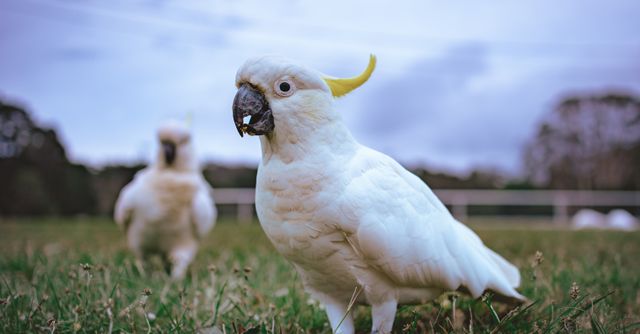
Kakadu National Park
Australia
Photo by Dominik Lack on Pexels
This vast, UNESCO World Heritage-listed national park in Australia's Top End is famous for its massive populations of saltwater crocodiles, prolific birdlife, and diverse native mammals. Floodwaters, billabongs, and sandstone escarpments create a dramatic ecosystem teeming with fauna.
Access. Accessible by road from Darwin via the Arnhem Highway; park passes are required, and 4WD vehicles may be needed for certain remote tracks during the wet season.
Notes. Strictly observe crocodile safety warnings near water edges; check seasonal road closures during the wet season (November to April).

Kangaroo Island
South Australia
Bernard Gagnon / Wikimedia Commons (CC BY-SA 4.0)
Renowned for its abundant native wildlife, Kangaroo Island offers incredible opportunities to see wild koalas, kangaroos, sea lions, and diverse bird species in their natural habitats. Protected reserves and rugged coastal landscapes make it a premier destination for Australian wildlife viewing.
Access. Accessible via a short ferry ride from Cape Jervis on the Fleurieu Peninsula or via flights into Kingscote Airport; rental cars or guided tours are recommended for exploring the island.
Notes. Drive carefully at dusk and dawn due to high wildlife activity on roads; maintain safe distances from sea lions and nesting shorebirds.

Kennett River and Great Ocean Road
Victoria
Orderinchaos / Wikimedia Commons (CC BY-SA 4.0)
The eucalyptus forests along the Great Ocean Road, particularly around Kennett River, are globally famous for reliable sightings of wild koalas living freely in their native tree canopy. The surrounding bushland is also rich in colorful native birds like king parrots and rosellas.
Access. Easily accessible by car along the Great Ocean Road southwest of Melbourne.
Notes. Do not attempt to handle or feed the koalas, and keep voices low so as not to stress the animals.

Mon Repos Conservation Park
Queensland
Kgbo / Wikimedia Commons (CC BY-SA 4.0)
Mon Repos supports the largest concentration of nesting marine turtles on the eastern Australian mainland and holds critical significance for the endangered loggerhead turtle. Guided night tours allow travelers to witness nesting females and hatching turtle pups making their way to the ocean.
Access. Located just outside Bundaberg in Queensland; accessible by car with parking on-site.
Notes. Access to the beach at night during nesting season (November to March) is strictly regulated via booked ranger-led tours to protect the turtles.

Ningaloo Reef
Western Australia
Earth Science and Remote Sensing Unit, NASA Johnson Space Center / Wikimedia Commons (Public domain)
Ningaloo Reef is world-renowned for its incredible marine megafauna, offering exceptional opportunities to swim alongside gentle giant whale sharks, humpback whales, manta rays, and dugongs in crystal-clear coastal waters.
Access. Accessed via Learmonth Airport near Exmouth or by driving north from Perth; boat charters and guided snorkel tours operate directly from Exmouth and Coral Bay.
Notes. Strict government regulations govern interaction distances and vessel speeds around whale sharks and marine mammals to ensure animal welfare.

Phillip Island Nature Parks
Victoria
urxx / Wikimedia Commons (CC BY-SA 4.0)
Phillip Island is famous for its nightly Penguin Parade, where hundreds of wild little penguins waddle ashore from the surf across the beach to their sand dune burrows. The reserve also protects thriving populations of koalas, fur seals, and shearwaters.
Access. Located a 90-minute drive southeast of Melbourne; accessible by car or organized day tours.
Notes. Flash photography and video recording are strictly prohibited during the Penguin Parade to protect the birds' sensitive vision.

Pulu Keeling National Park
Cocos (Keeling) Islands
PalawanOz / Wikimedia Commons (CC BY-SA 3.0)
This remote atoll is a critical sanctuary for the endangered Abbott's booby and the endemic Cocos buff-banded rail. The park offers a rare glimpse into a pristine island ecosystem where seabirds nest in dense Pisonia forests.
Access. Access is strictly controlled and requires a permit from Parks Australia; visitors typically reach the island via chartered boat from West Island.
Notes. Strict biosecurity and entry permits are mandatory to protect the fragile ecosystem. Visitation is limited to guided tours.