
Wellness in Japan
Japan
Onsen towns you can book as a guest
Hot-spring towns are the rest trip — public baths and inns a visitor reserves. You go to slow down, not to add a hotel massage. Access is a booked stay or a day onsen with posted rules.
- Bookable onsen towns
- Day baths and overnight inns
- Rest is the point
The vibe
Soaking in mineral-rich steam while surrounded by mist-shrouded mountain forests or volcanic stone basins offers a quiet, ritualistic reset for both body and mind. The colder months make stepping into an outdoor pool feel particularly restorative as the crisp air hits your face. It is an intensely polite and orderly experience, blending traditional customs with understated comfort where you simply follow the natural rhythm of the bathhouse.

Dogo Onsen, Ehime
Ehime Prefecture
lienyuan lee / Wikimedia Commons (CC BY 3.0)
Located on Shikoku Island, Dogo Onsen is one of Japan's oldest and most legendary hot-spring destinations. Travelers are drawn to its historic multi-story wooden bathhouses and the nostalgic atmosphere that inspired Studio Ghibli. Visitors soak in therapeutic alkaline mineral waters known for their soothing, skin-softening properties.
Access. Easily accessible via a short tram ride from Matsuyama City center, making it convenient for both overnight stays and extended spa retreats.
Notes. The iconic Dogo Onsen Honkan main building requires advance ticket booking for specific bath courses during peak seasons.

Hakone Hot Springs, Kanagawa
Kanagawa Prefecture
Kounoichi / Wikimedia Commons (CC BY-SA 3.0)
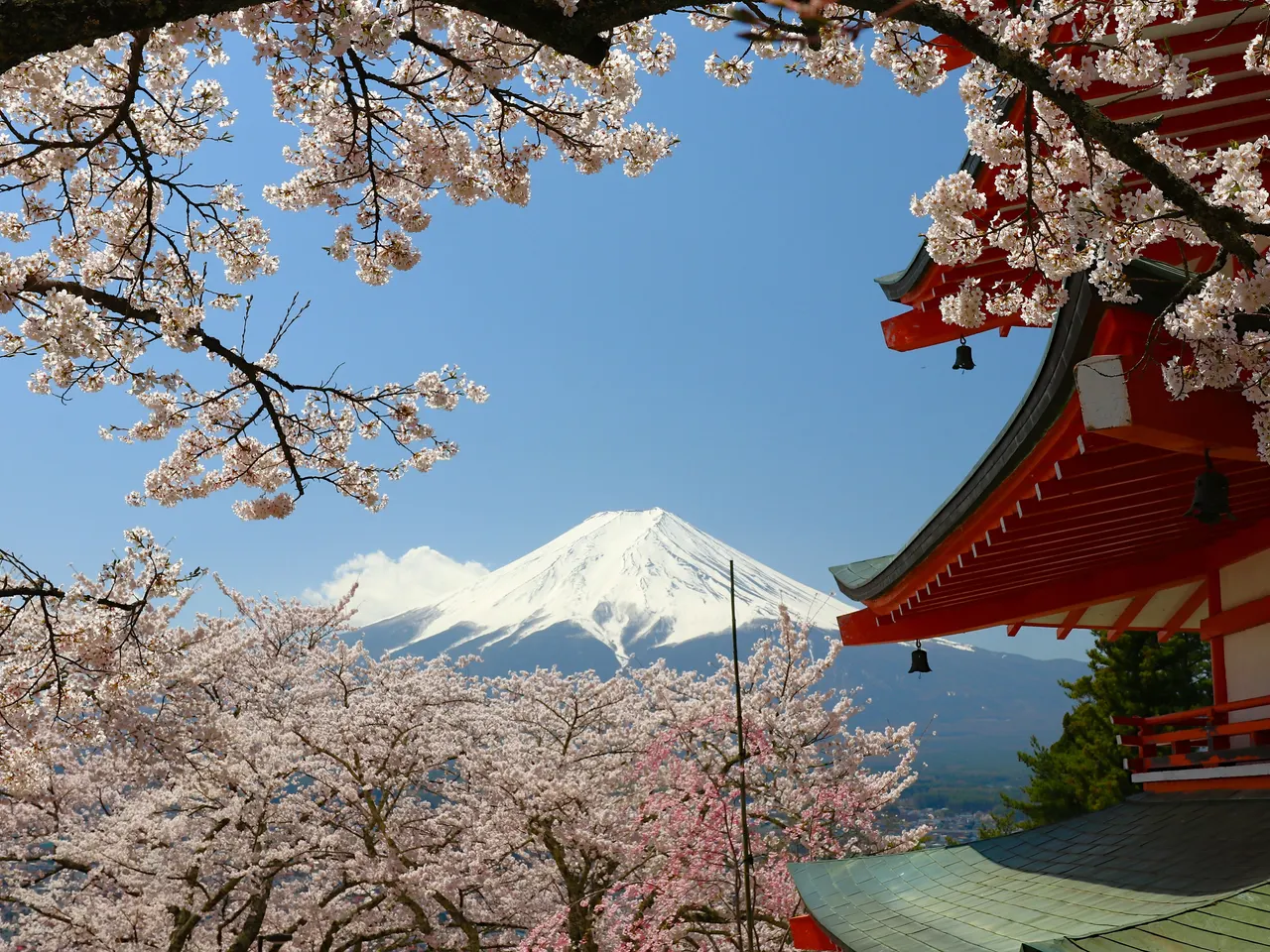
Nestled in the mountains near Mount Fuji, Hakone is one of Japan's most famous hot-spring resorts offering scenic ryokan stays and sulfurous mineral waters. Travelers visit to experience traditional hospitality, healing baths, and picturesque mountain views.
Access. Easily accessible from Tokyo via the Romancecar train or highway bus in about 90 minutes.
Notes. Tattoos may need to be covered in public baths, though many ryokan offer private rental baths (kashikiri).

Kinosaki Onsen, Hyogo
Hyogo Prefecture
Kentaro Ohno from Tokyo, Japan / Wikimedia Commons (CC BY 2.0)
Situated in the northern part of Hyogo Prefecture, Kinosaki Onsen is a picturesque canal-town dedicated entirely to the tradition of public bathing. Visitors don traditional yukata robes and geta sandals to stroll between seven distinct public bathhouses. The serene riverside willow trees and traditional ryokan inns create an immersive wellness escape.
Access. Accessible via direct limited express trains from Kyoto and Osaka, with most visitors staying overnight at local ryokans to enjoy free bathhouse access.
Notes. Tattoos are generally welcome in all seven of the public bathhouses, making it very accessible for international travelers.

Koyasan (Mount Koya), Wakayama
Wakayama Prefecture
baggio4ever / Wikimedia Commons (CC BY 3.0)
Perched atop a sacred forested mountain in Wakayama Prefecture, Koyasan is the spiritual heart of Shingon Buddhism. Travelers seeking holistic mental and physical restoration stay overnight in temple lodgings (shukubao), practicing vegetarian monastic cuisine (shojin ryori), morning meditation, and quiet reflection amidst ancient cedar forests.
Access. Reached via the Nankai Electric Railway from Osaka, culminating in a scenic cable car ride up the mountain.
Notes. Visitors must respect temple rules, curfew times, and participate respectfully in monastic routines.

Kurokawa Onsen, Kumamoto
Kumamoto Prefecture
hiroooooki from Tokyo, Japan / Wikimedia Commons (CC BY 2.0)
Nestled in the mountains of Kyushu, Kurokawa Onsen is celebrated for its strict commitment to maintaining a harmonious, traditional village aesthetic. The entire town acts as one large spa resort, where timber ryokans are tucked tightly along a forested river valley. Travelers purchase wooden 'nyutegata' passes to sample open-air rotenburo baths across different inns.
Access. Accessible by highway bus from Fukuoka or Kumamoto; staying overnight in the village is recommended to fully experience the evening lantern-lit ambiance.
Notes. Vehicular traffic is carefully managed to preserve the tranquil, rustic atmosphere of the valley.

Kusatsu Onsen, Gunma
Gunma Prefecture
Takuya Matsuyama / Wikimedia Commons (CC BY 3.0)
Kusatsu boasts some of the highest-quality and most abundant acidic hot-spring water in Japan, featuring the iconic Yubatake steaming field at the town center. Visitors immerse themselves in historic public bathhouses and experience traditional communal water-stirring rituals.
Access. Accessible via Shinkansen to Karuizawa or Takasaki followed by connecting highway buses.
Notes. Waters are extremely acidic and hot; follow local dipping instructions.

Misasa Onsen, Tottori
Tottori Prefecture
Flow in edgewise / Wikimedia Commons (CC BY 3.0)
Misasa Onsen in western Honshu is world-renowned for possessing some of the highest concentrations of natural radon in its thermal waters. Health-conscious travelers flock here for 'hormesis therapy,' believing that low-dose radon inhalation and soaking stimulates cellular vitality and immune health.
Access. Accessible via train to Kurayoshi Station, followed by a short local bus or taxi ride to the river valley.
Notes. Consult medical guidelines before undertaking extended radon spa cures if you have specific health conditions.

Noboribetsu Onsen, Hokkaido
Hokkaido Region
663highland / Wikimedia Commons (CC BY 2.5)
Noboribetsu is Hokkaido's premier hot-spring resort area, famous for its dramatic Hell Valley (Jigokudani) volcanic crater. The destination offers an incredible variety of mineral-rich thermal waters channeled directly from volcanic sources into grand spa hotels. Travelers visit to experience deep therapeutic relaxation amidst rugged mountain scenery.
Access. Reachable via bus or train from Sapporo or New Chitose Airport, with many visitors opting for multi-night resort stays.
Notes. Different hot-spring sources in the valley offer distinct mineral compositions, ranging from sulfur to iron waters.

Nyuto Onsen, Akita
Akita Prefecture
掬茶 / Wikimedia Commons (CC BY-SA 4.0)
Deep in the beech forests of Towada-Hachimantai National Park in northern Honshu, Nyuto Onsen is a secluded cluster of historic hot-spring lodges. Each rustic ryokan features milky-white or clear thermal waters rich in minerals, renowned for their healing qualities. It offers a deeply meditative wellness experience immersed in untouched wilderness.
Access. Reached via shinkansen to Tazawako Station followed by a local scenic mountain bus ride.
Notes. Winter is a particularly magical time for snow-surrounded outdoor baths, though roads require careful transit planning.

Yufuin Onsen, Oita
Oita Prefecture
そらみみ / Wikimedia Commons (CC BY-SA 4.0)
Located in a flat river basin surrounded by mist-shrouded peaks in Kyushu, Yufuin is an upscale hot-spring town favored by wellness travelers seeking art, nature, and quiet luxury. The town blends abundant thermal springs with boutique ryokans, art galleries, and peaceful walking trails. Visitors come to unwind in sophisticated hot-spring baths while gazing at the iconic Mount Yufu.
Access. Easily accessible via train on the JR Kyodai Main Line from Beppu or Fukuoka, or by express bus from major Kyushu hubs.
Notes. Yufuin maintains a relaxed, low-rise aesthetic with strict zoning laws protecting its open countryside views.