
Surfing in Indonesia
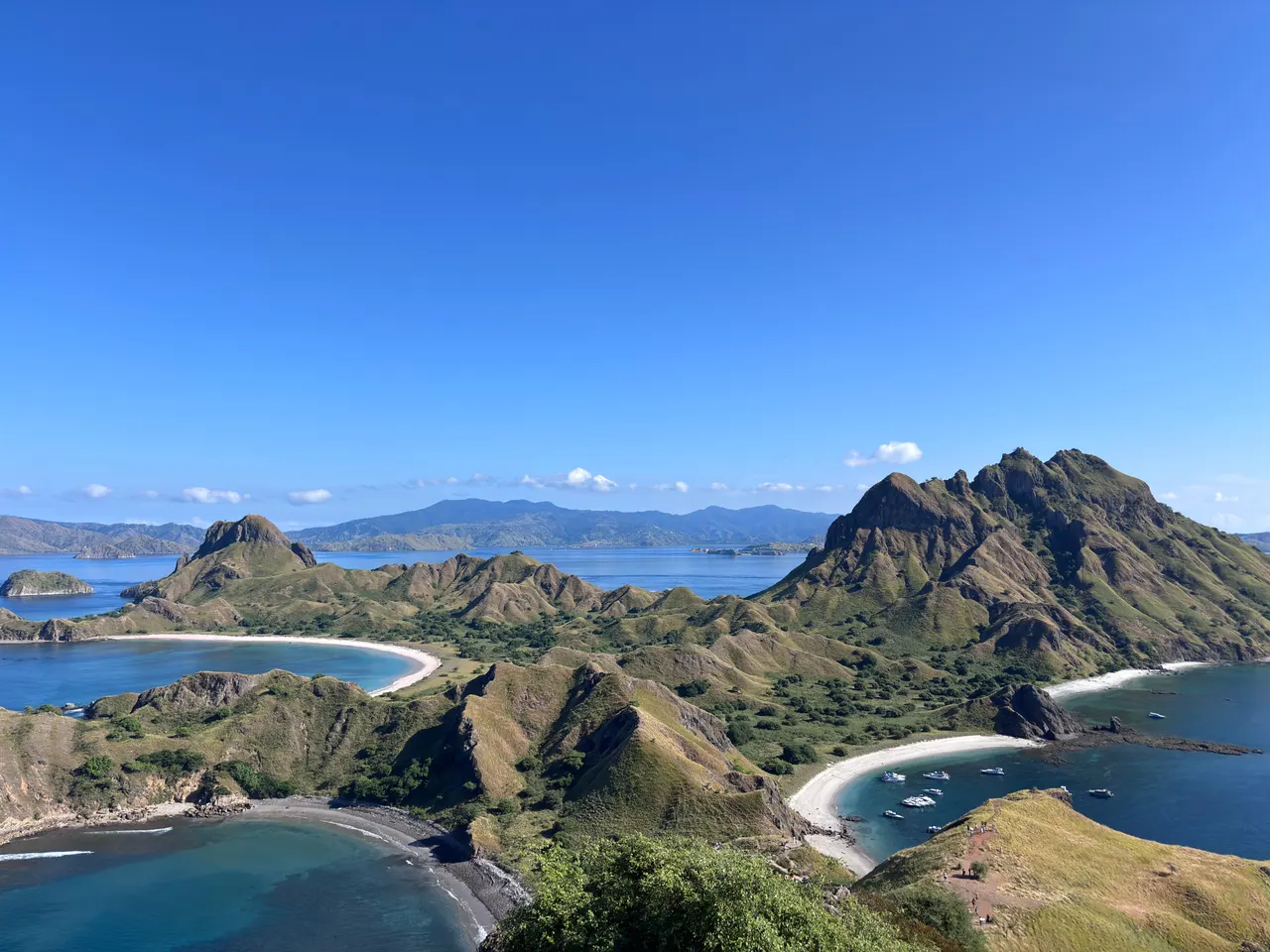
Indonesia
Island breaks with rental and boat options
Visitor islands pair walk-out peaks with boat days to neighbouring reefs. Shops rent boards. Some waves are advanced; plenty of weeks still work for a traveling surfer who books the right island.
- Shops and named breaks
- Boat hops when the peak is offshore
- Season is swell, not a hidden GPS
The vibe
Paddling out into these endlessly warm, heavy reef breaks feels like participating in a global ritual of wave-riding heritage. Swells pulse consistently through the dry winter months, delivering long, clean lines day after day. The lineup is a lively mix of traveling pros and dedicated locals, creating a bustling surf culture anchored by beachfront board shacks and simple cafes.

Canggu
Bali
dany13 from Paris, France / Wikimedia Commons (CC BY 2.0)
Canggu features several consistent beach breaks that cater to a wide range of skill levels. It is the epicenter of the modern surf culture in Bali, offering a vibrant social scene alongside the waves.
Access. Direct access from the beach at spots like Batu Bolong or Echo Beach.
Notes. Very crowded; diverse peaks ranging from beginner-friendly to punchy beach breaks.

Desert Point
West Nusa Tenggara
Earth Science and Remote Sensing Unit, NASA Johnson Space Center / Wikimedia Commons (Public domain)
Known as one of the longest and most challenging left-hand reef breaks globally, Desert Point offers incredibly hollow, mechanical barrels. It is a bucket-list destination for elite surfers.
Access. Accessible by boat or a rough overland drive from Mataram.
Notes. Extremely sharp reef; highly localized; only for expert surfers.

G-Land
East Java
Yubroz / Wikimedia Commons (CC BY-SA 4.0)
Grajagan, or G-Land, is legendary for its long, fast, and powerful left-hand barrels. Located within Alas Purwo National Park, it offers one of the most consistent and intense surf experiences in the world.
Access. Accessible by boat from Bali or via a long overland journey through the national park.
Notes. Remote location; heavy reef; best suited for experienced surfers only.

G-Land (Grajagan)
East Java
Николай Максимович / Wikimedia Commons (CC BY 3.0)
While the classic camp peak is covered elsewhere, Tiger Tracks and Bobby's in the broader Grajagan forest zone offer distinct surfing zones for intermediate visitors. These spots provide long, playful walls away from the heavier main G-Land slab.
Access. Accessible via speedboat charter from Bali or 4x4 jungle transport through Alas Purwo National Park from Banyuwangi.
Notes. Remote jungle setting with strict national park guidelines and seasonal swell peaks.

Kuta Lombok
West Nusa Tenggara
Fdprasetyo / Wikimedia Commons (CC BY-SA 3.0)
Kuta Lombok serves as the gateway to numerous reef breaks and offers a growing scene for water sports. The nearby bays provide conditions suitable for those looking for a mix of surf and wind-based activities.
Access. Accessible by scooter or local boat charters to nearby breaks like Gerupuk.
Notes. Seasonality affects wind and swell; local boat guides are essential for reef access.

Lagundri Bay
North Sumatra
hotmahtg / Wikimedia Commons (CC BY-SA 3.0)
Lagundri Bay is home to 'The Point', a world-famous right-hand point break that offers long, perfect waves. It is widely considered one of the best waves in the Indonesian archipelago.
Access. Accessible by flight to Nias followed by a drive to Sorake Beach.
Notes. Consistent swell; can get crowded; the wave is best at mid-to-high tide.

Lakey Peak, Sumbawa
West Nusa Tenggara
Earth Science and Remote Sensing Unit , Lyndon B. Johnson Space Center / Wikimedia Commons (Public domain)
An iconic A-frame reef break that provides both left and right barrels, making it one of the most famous waves in Indonesia. The surrounding area is a dedicated surf village with a vibrant community.
Access. Fly into Bima and take a 2-3 hour drive to Hu'u. The area is packed with surf-centric accommodation and rental shops.
Notes. Extremely popular; expect crowds on good days. The reef is very shallow at low tide.

Maumere Coast, Flores
East Nusa Tenggara
AlexShalit / Wikimedia Commons (CC BY-SA 4.0)
The coastal waters around Flores hide secret reef setups and uncrowded point breaks facing open ocean swells. It offers adventurous surfers pristine, rarely surfed waves with dramatic volcanic backdrops.
Access. Fly into Maumere or Larantuka, then rent a motorbike or hire local drivers to coastal fishing villages. Independent travel with own equipment is recommended as formal surf shops are scarce.
Notes. Remote exploration with sharp coral, strong open-ocean currents, and lack of nearby medical facilities.

Medewi, Bali
Bali
ahmad yudi / Wikimedia Commons (CC BY-SA 3.0)
Home to one of the longest left-hand point breaks in Indonesia, offering long, mellow rides that are perfect for longboarders and those looking for a relaxed pace. It is a unique contrast to the hollow reef breaks found elsewhere in Bali.
Access. Located on the west coast of Bali, about a 2-hour drive from the main tourist hubs. Surf rentals and local guides are available at the beach.
Notes. The wave is long but can be soft; watch for rocks upon entry. Crowds congregate at the main peak.
Mentawai Islands
West Sumatra
Home to some of the most consistent and flawless reef breaks on the planet, including heavy barrels like Macaronis and HTs. This remote island chain is tailored for intermediate to expert surfers seeking legendary lefts and rights in tropical waters.
Access. Accessible primarily via fast ferry or chartered surf boats from Padang on the mainland of Sumatra. Local surf camps and resorts provide speedboats to access specific island breaks daily.
Notes. Sharp coral reefs, strong tropical sun, and isolated locations require comprehensive travel insurance and advanced wave-riding skills.

Nusa Lembongan
Bali
Jean-Marie Hullot on flickr and Jmhullot on commons / Wikimedia Commons (CC BY-SA 2.0)
Home to famous reef setups like Playgrounds, Lacerations, and Shipwrecks, Nusa Lembongan offers hollow, fast-peeling waves over coral platforms. The island caters primarily to intermediate and advanced surfers seeking classic reef setups away from mainland traffic.
Access. Reached via fast boat from Sanur to Lembongan harbour, then rented scooter or local boat charter to the breaks. Surf schools and gear rentals operate out of Jungut Batu village.
Notes. Sharp shallow coral reefs, strong currents, and boat traffic around the main channels.
Occy's Left, Sumba
East Nusa Tenggara
Famously known as Nihiwatu, this exclusive left-hander is one of the world's most sought-after waves, peeling endlessly over a flat coral reef. It delivers pristine barrels and long walls in a remote island setting.
Access. Accessed via flight to Tambolaka in Sumba followed by a resort transfer or arranged coastal transport. Surf access is primarily managed through resort booking quotas and authorized boat charters.
Notes. Strict surfer caps per day, remote reef hazards, and private property access regulations.

Papuma, Jember
East Java
Allan Henderson / Wikimedia Commons (CC BY 2.0)
Papuma and the surrounding south Java coast feature rugged beach and reef breaks exposed to the heavy swells of the Indian Ocean. It is an adventurous destination for surfers looking for uncrowded waves in scenic bay settings.
Access. Reachable by road from Jember town through coastal plantations. Local surf homestays offer transport and local guidance to nearby hidden breaks.
Notes. Remote location with rugged reef hazards and limited emergency medical services nearby.

Sanur
Bali
Ericwaltr / Wikimedia Commons (CC BY-SA 3.0)
Sanur is a calm lagoon area that has become a hub for wind-powered sports in Bali. The flat-water conditions inside the reef are ideal for kiteboarding and wingfoiling during the trade wind season.
Access. Easy access from the beach along the Sanur boardwalk.
Notes. Best wind conditions occur from June to September.
Tanjung Setia
Lampung
Situated on the southwest coast of Lampung, Sumatra, this zone features long, powerful left-hand point and reef breaks such as Ujung Bocur. It is a magnet for travelers seeking uncrowded, overhead waves that peel for hundreds of meters.
Access. Flown into Krui via regional connections or via a scenic overland taxi ride from Bandar Lampung. Surf camps line the beachfront with rental and guide services.
Notes. Powerful swells, remote coastline, and occasional strong currents.

Uluwatu
Bali
Anusantara / Wikimedia Commons (CC BY-SA 4.0)
Uluwatu is a world-class series of reef breaks on the Bukit Peninsula, offering long, hollow left-handers. It is a premier destination for advanced surfers seeking challenging waves and iconic scenery.
Access. Accessible via stairs carved into the cliffside; paddle out from the cave entrance.
Notes. Extremely crowded; sharp reef and strong currents require high proficiency.

Yo-Yo Beach, Sumbawa
West Nusa Tenggara
Iso1600 / Wikimedia Commons (CC BY-SA 3.0)
A famous surf spot in West Sumbawa known for its consistent, heavy right-handers and fun lefts. It is a favorite for those seeking powerful waves in a more remote setting.
Access. Accessible via ferry from Lombok to Poto Tano, followed by a drive to the Sekongkang area. Surf camps and homestays are available within walking distance of the break.
Notes. The reef is shallow and sharp; best for experienced surfers. Best swell season is May to September.