
Surfing in Australia
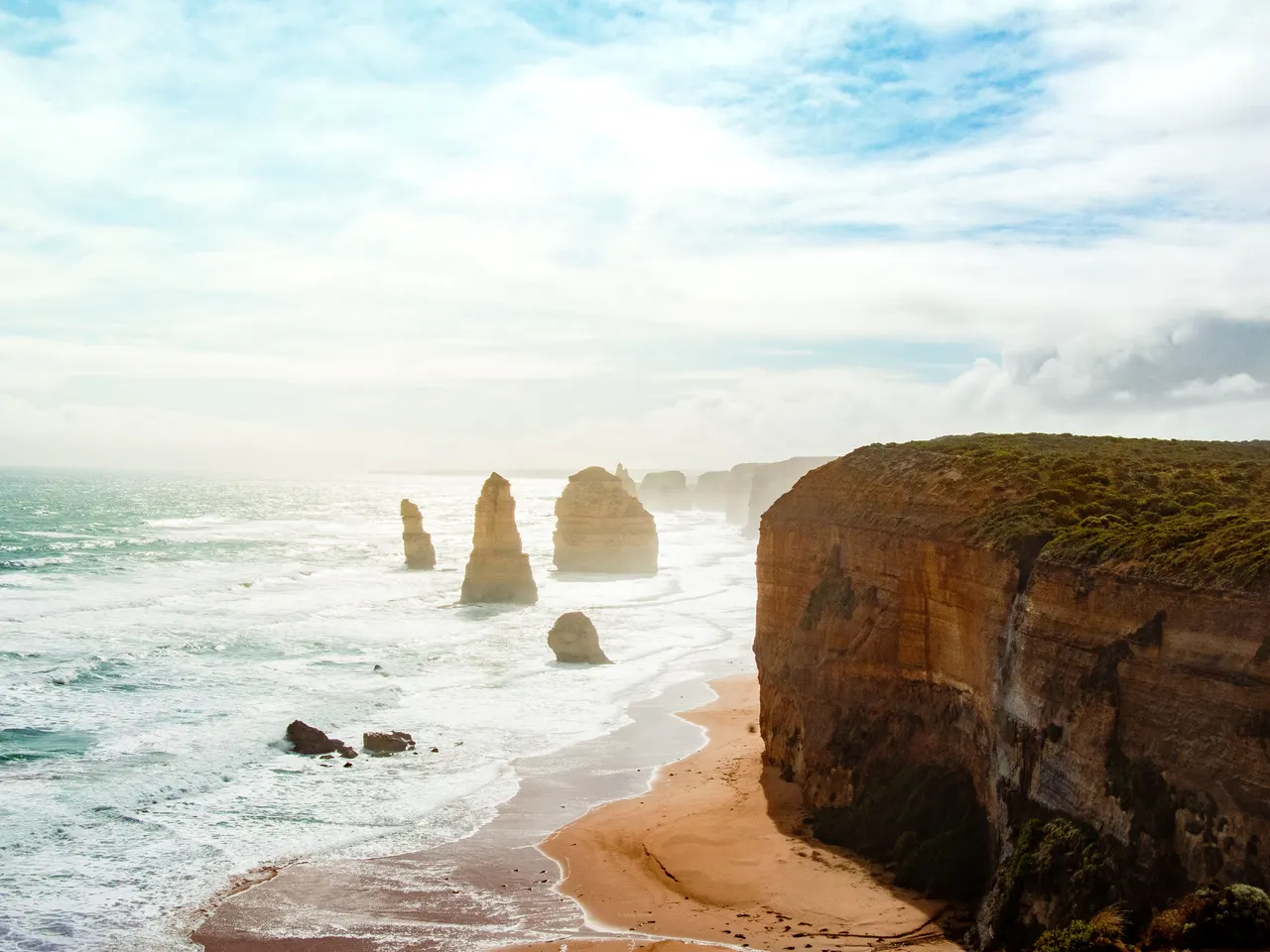
Australia
Coastal breaks with shops in town
Surf coasts have rental, lessons, and named peaks a visitor can paddle. Some points are serious; plenty of beaches still work as a week. You start at the shop or the car park.
- Town shops and public peaks
- Lessons if you want them
- A surf identity, not a dive island
The vibe
Australia’s surf scene feels like a blend of world‑class waves and laid‑back beach culture, where even beginners can find a friendly swell. The peak for big waves is winter, while summer offers mellow rides for novices. Surf schools and local surf shops cater to both tourists and locals, creating a relaxed yet vibrant atmosphere.

Bells Beach, Victoria
Victoria
Syahnaz Abdullah / Wikimedia Commons (CC BY 3.0)
An iconic Australian surf sanctuary known for its powerful, sweeping southern-ocean swells and steep clay cliffs. This historic venue hosts the Rip Curl Pro and challenges surfers with legendary right-handers that hold massive sizes.
Access. Drive about 100 kilometers southwest of Melbourne along the Great Ocean Road to Torquay, then follow the local signs to Bells Beach.
Notes. Requires a thick wetsuit year-round due to cold water temperatures. Heavy reef and rock shelf hazards.
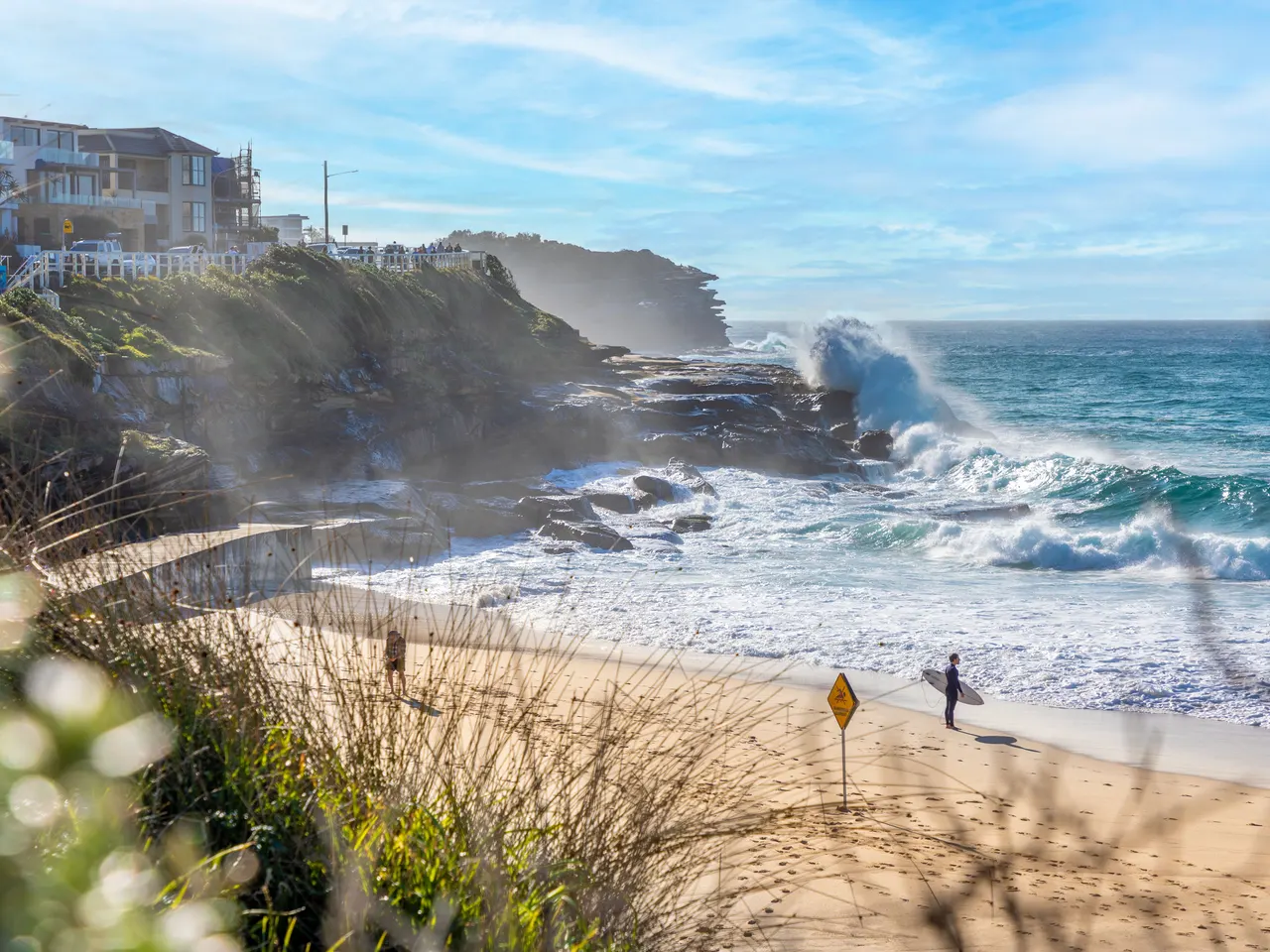
Botany Bay, Sydney
New South Wales
Macourt Media · Pexels
A premier flat-water and choppy bay location near Sydney that accommodates both kitesurfing and wingfoiling in a secure, wide-open marine environment. Popular for progression, freestyle, and foil sessions.
Access. Located adjacent to Sydney Airport on the southern side of the city; easily reached by car.
Notes. Watch out for shipping lanes, shallow sandbars at low tide, and local aircraft flight paths.

Coronation Beach, Geraldton
Western Australia
Michael Kearney / Wikimedia Commons (CC BY 4.0)
A world-renowned windsurfing and wingfoiling mecca blessed by reliable thermal 'Doctor' winds during the warmer months. Flat sections and clean ramps provide ideal conditions for high-speed board-sport maneuvers.
Access. Drive north from Geraldton along the North West Coastal Highway; local camps and seasonal rig rental providers operate on-site.
Notes. Strong offshore or cross-shore winds require proper gear sizing; watch out for shallow reef patches near the shore.

Exmouth, Ningaloo Reef
Western Australia
Earth Science and Remote Sensing Unit, NASA Johnson Space Center / Wikimedia Commons (Public domain)
Offers incredible remote reef breaks along the edge of the Ningaloo Reef, combining turquoise water with powerful uncrowded waves. Both right and left-hand reef setups work well during southern Indian Ocean swells.
Access. Drive north from Exmouth town to coastal access tracks 4WD vehicles; local surf and kite operators offer seasonal gear advice.
Notes. Remote location with shark presence, reef cuts, and strong currents. Bring all necessary supplies.

Flying Fish Cove, Christmas Island
Christmas Island
Paul McFarlane / Wikimedia Commons (CC BY-SA 2.0)
Flying Fish Cove offers an occasional reef break for experienced surfers when North-West swells wrap around the island during the wet season. The swell can break powerfully over the coral shelf, providing short, punchy rides for advanced surfers willing to navigate remote waters.
Access. Access is directly from the main settlement of Settlement near the port. Travelers must bring their own equipment as there are no surf rental shops or dedicated surf schools on Christmas Island.
Notes. Sharp coral reef bottom, strong currents, and lack of local medical infrastructure mean only experienced, self-sufficient surfers should attempt surfing here.

Kirra, Gold Coast
Queensland
David Edwards / Wikimedia Commons (CC BY 3.0)
Home to one of the longest and most famous right-hand point breaks in the world when the sandbanks align. The ride sweeps along the headland into the bay, offering fast barrels and seemingly endless walls.
Access. Located on the southern Gold Coast, easily accessible from Coolangatta airport with numerous surf schools and rental shops nearby.
Notes. Extremely crowded when firing, with fierce competition from local surfers for the best waves.

Lancelin, Western Australia
Western Australia
Bahnfrend / Wikimedia Commons (CC BY-SA 4.0)
A world-class playground for wind-powered board sports featuring reliable sea breezes, flat-water lagoons, and wave-riding options outside the reef. A mecca for kitesurfing and wingfoiling enthusiasts on the Western Australian coast.
Access. Drive roughly 1.5 hours north of Perth along Indian Ocean Drive.
Notes. Strong summer sea breezes (the Fremantle Doctor) can blow at gale force; check wind forecasts carefully.

Manly Beach, Sydney
New South Wales
Maksym Kozlenko / Wikimedia Commons (CC BY-SA 3.0)
A classic urban beach break offering multiple shifting sandbanks that pick up swell from all directions. It provides fun, punchy waves suitable for intermediate surfers right in the heart of Sydney's northern beaches.
Access. Take the iconic 30-minute public ferry ride across Sydney Harbour from Circular Quay straight to Manly Wharf.
Notes. Can get very busy with local bathers and surf schools during summer weekends.

Margaret River Main Break, Western Australia
Western Australia
Lasthib / Wikimedia Commons (CC BY-SA 4.0)
A heavy, open-ocean big-wave spot that produces immense left and right peaks over a deep coral and rock shelf. It is a true test of commitment for experienced surfers capable of handling massive Western Australian swells.
Access. Located about a 3-hour drive south of Perth, followed by a short drive west from Margaret River town to Surfers Point.
Notes. Renowned for shark presence, massive volume of water moving through the lineup, and powerful rip currents.

Noosa Heads, Sunshine Coast
Queensland
svenimartini / Wikimedia Commons (CC BY-SA 3.0)
A pristine network of protected point breaks winding around Noosa National Park, offering endlessly long, peeling right-hand waves. Ideal for longboarders and intermediate surfers seeking peeling rides in a tropical setting.
Access. Fly to Sunshine Coast Airport (Maroochydore) and drive north for about 30 minutes to Noosa Heads.
Notes. Very popular and heavily crowded on weekends and holidays; respectful line-up etiquette is essential.

Pallarenda, Townsville
Queensland
Heritage branch staff / Wikimedia Commons (CC BY 3.0)
A popular flat-water and chop destination in North Queensland favored by local kiteboarders and wingfoilers taking advantage of the southeast trade winds.
Access. Short drive from downtown Townsville to Pallarenda parklands; local kite schools operate seasonal lessons here.
Notes. Check for seasonal marine stingers (box jellyfish) and tidal mudflats.

Snapper Rocks, Gold Coast
Queensland
Kgbo / Wikimedia Commons (CC BY-SA 4.0)
Home to the world-famous Superbank, Snapper Rocks delivers some of the longest and most hollow right-hand point breaks on the planet. This legendary wave peels consistently along the point, attracting elite pros and dedicated surfers chasing endless rides.
Access. Located in Coolangatta on the southern Gold Coast, easily accessible via the Gold Coast Airport followed by a short bus or taxi ride.
Notes. Extremely crowded with heavy localism and strong currents. Best during cyclone season from February to May.

The Pass, Byron Bay
New South Wales
Maueddu / Wikimedia Commons (CC BY-SA 4.0)
A world-renowned right-hand point break that wraps around the cape, delivering long, peeling rides favored by both longboarders and shortboarders. The scenic backdrop and consistent swell make it a cornerstone of Australian surf culture.
Access. Accessible via Ballina Byron Gateway Airport or a two-hour drive south from Brisbane.
Notes. Crowds are immense year-round; parking at the headland fills up by dawn.

Trannies Beach, Cocos (Keeling) Islands
Cocos (Keeling) Islands
PalawanOz / Wikimedia Commons (Public domain)
Trannies Beach offers a unique, protected spot for wingfoiling and beginner kiteboarding right off the main island. The calm, shallow waters provide an ideal learning environment for those looking to practice wing skills in a tropical setting.
Access. Located on the northern end of West Island, easily accessible by bike or car from the main settlement.
Notes. Tidal dependent; best at mid-to-high tide for sufficient water depth.

Trigg Point, Perth
Western Australia
Michael_Spencer from Perth, WA, Australia / Wikimedia Commons (CC BY 2.0)
Perth's premier high-performance surf break, featuring a dependable reef-and-rock setup that picks up plenty of Indian Ocean swell. It provides both punchy rights and lefts that handle decent-sized swells well.
Access. A short drive from Perth city center with ample parking, surf schools, and board hire available right at the beach.
Notes. Can become very crowded during weekend swells; shallow reef patches pose hazards at low tide.

Yallingup Main Break, Margaret River Region
Western Australia
Bahnfrend / Wikimedia Commons (CC BY-SA 4.0)
A historic and powerful reef break in the northern Margaret River region producing heavy, walled rights and lefts. It holds huge swells and is deeply embedded in Western Australia's surf heritage.
Access. Drive to the Yallingup coastal parking area overlooking the point; local surf shops in nearby Dunsborough provide gear and reports.
Notes. Powerful currents, sharp reef, and heavy local crew demand respect in the lineup.