
Spearfishing in United States
United States
Hawaii shops and Florida boats
Hawaii is walk-in shore hunting with shops that sell and fill guns; a boat is optional. Florida adds guided days you can book like any other charter. Florida uses a saltwater licence; Hawaii is mostly closed zones rather than a visitor permit.
- Hawaii: shore and shops without a club
- Florida: easy guided hunts
- Low paperwork outside closed areas
The vibe
Prowling the drop-offs and rocky reefs requires patience and a good eye for local gamefish while managing shifting currents and visibility. Late spring through early autumn brings the most stable conditions and active fish populations along the margins. It feels very much like a localized pursuit where you are expected to know your target species and local bag limits before heading out.
state fishing license

Catalina Island Waters
California
Ingridinu / Wikimedia Commons (Public domain)
Santa Catalina sits in the Southern California bight with kelp forests, rocky reefs, and clear(er) water than the mainland. Spearos hunt calico bass, sheephead, yellowtail, and white seabass along island shores and offshore reefs.
Access. Reachable by ferry from Long Beach, San Pedro, or Dana Point; shore diving from Avalon and Two Harbors is popular, and local boats run spearfishing trips. Rental gear is limited on-island—most bring kit from LA.
Notes. California fishing license and ocean enhancement stamp required; some areas are marine protected with no take. Cold water—plan for thick wetsuit and seasonal visibility.

Channel Islands Waters
California
Mx. Granger / Wikimedia Commons (CC0)
Anacapa, Santa Cruz, Santa Rosa, and San Miguel sit in the Southern California bight with kelp forests, rocky reef, and clear(er) Pacific water holding calico bass, sheephead, yellowtail, and white seabass. The islands are a premier West Coast spearfishing destination.
Access. Island Packers ferries and private boats launch from Ventura and Oxnard; shore diving from island landings is popular. Local spearfishing charters and SoCal freedive shops support the scene—most visiting spearos use boats.
Notes. California sport fishing licence plus ocean enhancement stamp required (16+). Numerous State Marine Reserves around the islands are no-take—check CDFW MPA maps per site. Cold water; thick wetsuit essential. Powerheads prohibited.
Florida Keys Reef Tract
Florida
Droneafrica · Pexels
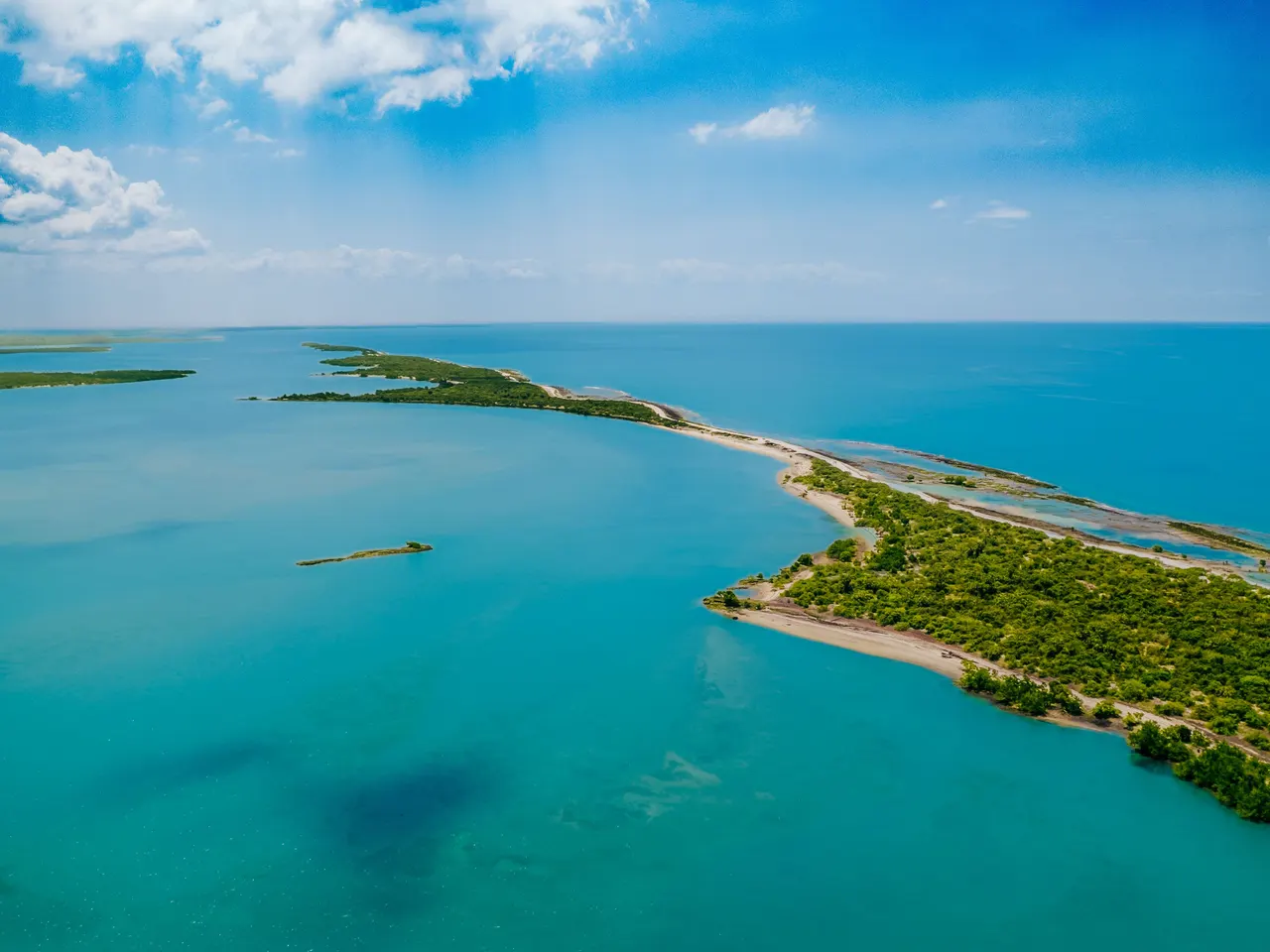
The Keys run along a shallow coral- and patch-reef chain with gin-clear water, turtle grass flats, and drop-offs holding snapper, grouper, hogfish, and lobster. It is one of the best-known spearfishing coasts in North America, with reef structure you can reach by boat or from shore on the outer islands.
Access. Charters, local spearo guides, and boat rentals are easy to find from Marathon through Key West; shore entry is limited but possible on some outer keys and bridge/rock spots. Gear shops in Islamorada and Key West cater to freedivers.
Notes. Much of the reef lies inside Florida Keys National Marine Sanctuary with no-take zones where spearfishing is banned—check current zone maps. A Florida saltwater fishing license is required.
Kona Coast
Hawaii
Petra Nesti · Pexels
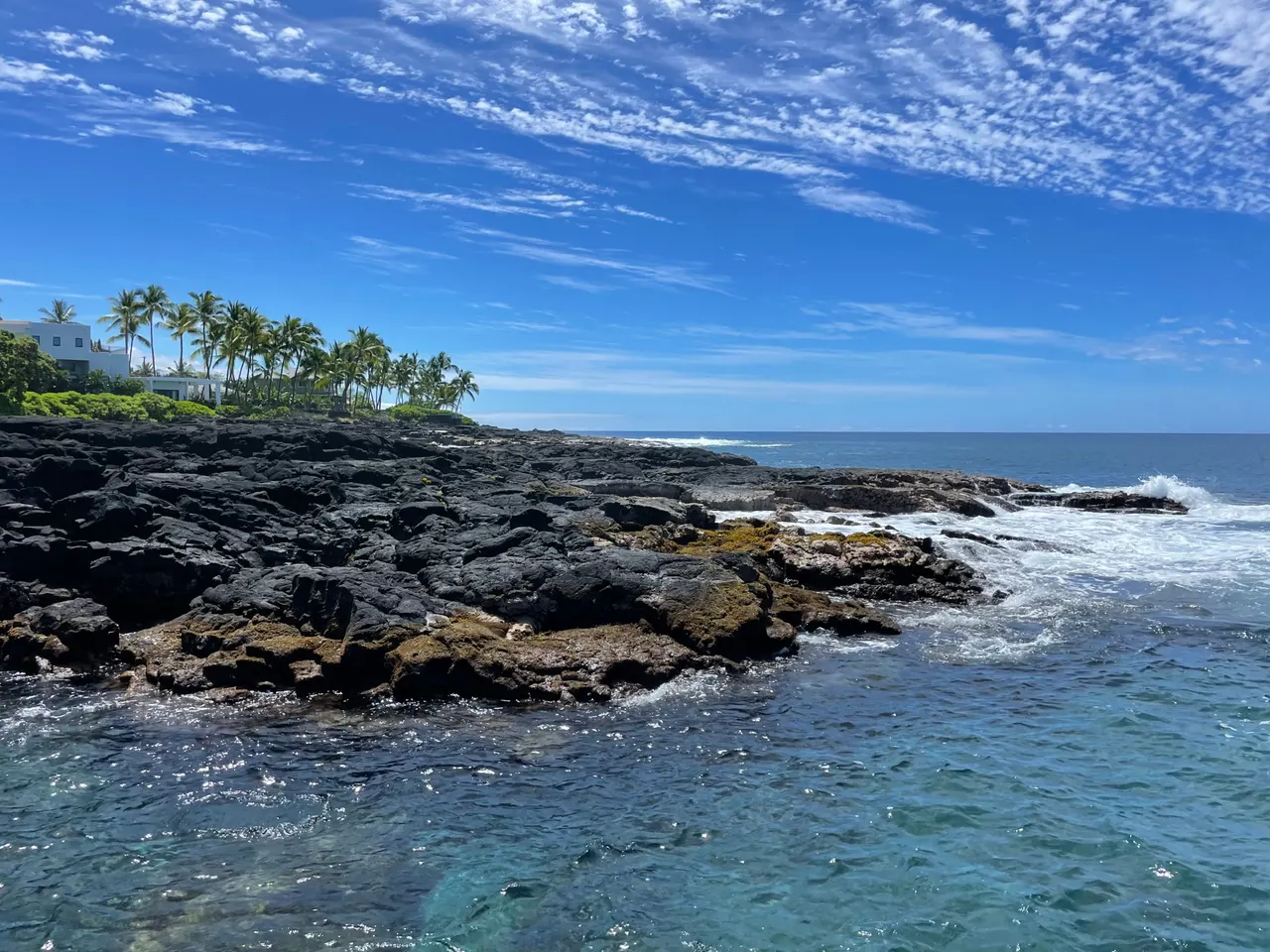
The leeward west coast of Hawaiʻi Island drops quickly from black-lava shorelines into clear, warm water with ledges, caves, and open blue water. Spearos target uku, omilu, mu, and other reef fish along a coast with a deep local freediving tradition.
Access. Shore dives are common along the Kailua-Kona to Keauhou stretch; local guides and charter boats are available but many residents simply walk in from public beach access. Dive shops rent freediving gear.
Notes. Several harbors and bays near Kailua-Kona are closed to spearfishing; stay outside marked no-take areas. A Hawaiʻi fishing license is required.

Monterey Bay, California
California
Andrey Volk / Wikimedia Commons (CC BY 3.0)
Monterey offers cold-water, kelp-forest spearfishing for lingcod and rockfish. The rugged coastline provides a dramatic backdrop for shore-based hunting in the massive forests of giant kelp.
Access. Excellent shore access at various coves, with boat charters available in Monterey Harbor for deeper pinnacles.
Notes. Requires a California Sport Fishing License with a saltwater validation. Must strictly avoid Marine Protected Areas (MPAs) which are heavily enforced. Check the CDFW map before entering the water.

Oahu West Coast
Hawaii
David Eickhoff from Pearl City, Hawaii, USA / Wikimedia Commons (CC BY 2.0)
From Mākaha to Nānākuli, Oʻahu's west side offers rocky ledges, sand channels, and reef shelves in typically calmer leeward conditions. The area has a strong local spearfishing culture and holds ulua, papio, goatfish, and reef species along a long accessible coastline.
Access. Mostly DIY shore access from public beaches and pull-offs along Farrington Highway; a few local charters operate out of Waiʻanae. Gear is available in Honolulu shops a short drive away.
Notes. Respect private land access and seasonal surf on north swells; some areas have bag limits on ulua. Hawaiʻi fishing license required.

Outer Banks, North Carolina
North Carolina
Jasonspsyche / Wikimedia Commons (CC BY-SA 3.0)
Known as the Graveyard of the Atlantic, this stretch offers world-class bluewater spearfishing around offshore wrecks and ledges. Divers target amberjack, cobia, and various tuna species in the nutrient-rich currents.
Access. Numerous charter boats operate out of Oregon Inlet and Hatteras specifically for offshore spearfishing trips.
Notes. A North Carolina Saltwater Fishing License is required. Be aware of strict seasonal closures for certain species like cobia and red drum; always check current NC Division of Marine Fisheries regulations.

Puerto Rico West Coast
Puerto Rico
Earth Science and Remote Sensing Unit , Lyndon B. Johnson Space Center / Wikimedia Commons (Public domain)
From Rincón through Mayagüez, Puerto Rico's west coast offers fringing reef, rocky shelves, and Atlantic swells with snapper, grouper, yellowtail, and reef species. The leeward side has calmer conditions and a small but active local spearo community.
Access. Mostly DIY shore diving from public beaches and rocky points; a handful of west-coast charters and dive shops can point to open reef zones. Easy access from San Juan via highway; gear available in Mayagüez and Aguadilla.
Notes. DRNA recreational saltwater fishing licence required (age 13+). Freediving only—SCUBA and speargun together is illegal. Nassau and goliath grouper fully protected; La Parguera and Culebra reserve areas closed to spearfishing. Speargun must be unloaded within 100 ft of shore.

South Padre Island, Texas
Texas
Eric Friedebach / Wikimedia Commons (CC BY 3.0)
The clear, warm waters off South Padre provide access to offshore banks and oil platforms. It is a popular spot for hunters targeting king mackerel, snapper, and grouper.
Access. Offshore charters are available from the island, though DIY boat access is common for locals.
Notes. Texas Saltwater Fishing License required. Must follow state and federal regulations regarding snapper seasons and size limits.

Tumon Bay & West Reefs
Guam
NJo / Wikimedia Commons (CC BY-SA 3.0)
Guam's protected western coastline offers accessible reef hunting just offshore, where clear turquoise waters shelter various snappers, parrotfish, and small groupers. The drop-offs along the outer reef edges provide opportunities for encountering pelagics cruising the blue water. Spearfishers appreciate the combination of calm shore-entry spots and vibrant fringing reef structures.
Access. Access is primarily DIY via shore entries from public beach parks along Tumon and the western coast, or by arranging local boat transport through independent island spearfishing guides. Specialized spearfishing charters can occasionally be found through local dive and fishing networks in Hagatna.
Notes. Guam Department of Agriculture enforces specific marine preserves where all fishing, including spearfishing, is strictly prohibited. Check current local bag limits, protected species lists, and restricted marine reserve boundaries before heading out.

Venice, Louisiana
Louisiana
NOAA / NODD / Wikimedia Commons (Public domain)
Venice is the premier hub for bluewater spearfishing in the Gulf of Mexico, providing access to massive oil rigs that act as artificial reefs. It is a high-adrenaline environment where divers hunt yellowfin tuna, wahoo, and mahi-mahi.
Access. Specialized spearfishing charters are the standard here, as the best spots are far offshore and require a boat.
Notes. A Louisiana Saltwater Fishing License is required. Spearfishing is legal, but divers must adhere to federal and state bag limits for reef fish and pelagics. No-take zones exist around some protected rigs.