
Spearfishing in Philippines
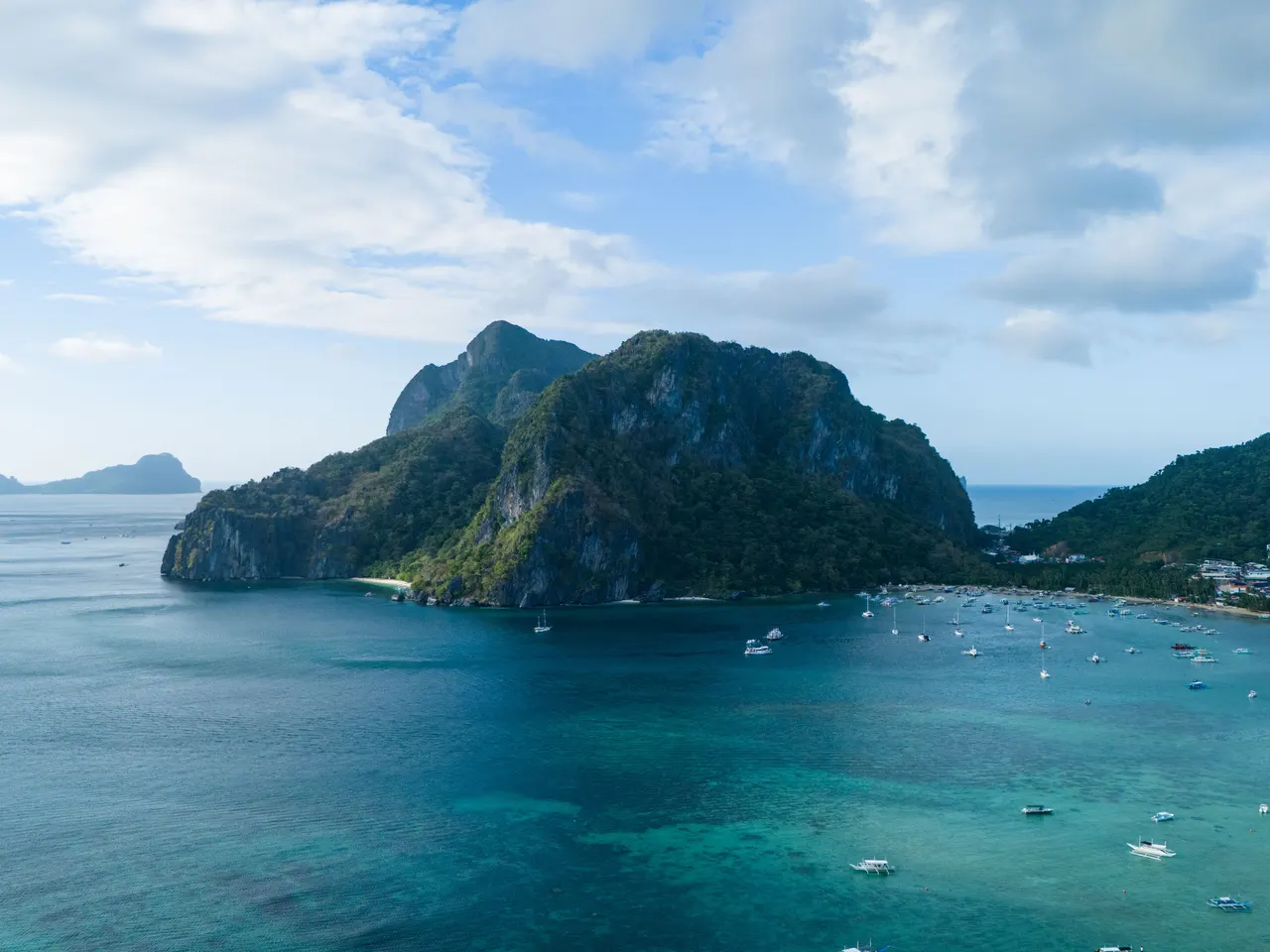
Philippines
Reef weeks with spear guides
A visitor can book spear-specific guides on several island groups, not only scuba boats, over reef that still fishes. It takes a message before you fly rather than a walk-up desk. Stay out of marine parks; there is no heavy national licence in the way.
- Spear guides you can book ahead
- Reef fish and reliable days
- Parks, not expensive paperwork
The vibe
Roaming the outer drop-offs with a speargun is a heavily restricted and largely localized pursuit here rather than a casual visitor activity. Strict municipal ordinances and conservation zones protect most accessible reefs from recreational harvesting. Travelers hoping to drop a line with a spear will find almost no commercial charters catering to the craft.
local municipal permit

Apo Reef, Occidental Mindoro
Occidental Mindoro
Ervin Malicdem / Wikimedia Commons (CC BY-SA 4.0)
Apo Reef is the second-largest contiguous coral reef system in the world, featuring massive drop-offs and a high concentration of reef fish and pelagics. It is a rugged, remote hunting ground for those seeking deep-water structure and vibrant reef life.
Access. Accessible via boat charters from Sablayan, Occidental Mindoro. Travelers should arrange trips with local spearfishing guides or specialized boatmen familiar with the park's boundaries.
Notes. Apo Reef is a protected natural park; spearfishing is permitted only in designated areas. Always check with the Sablayan Tourism Office for current regulations and permit requirements.

Busuanga & Northern Palawan
Palawan
André Héroux / Wikimedia Commons (CC BY 3.0)
The Calamian Islands around Busuanga offer limestone karst bays, coral gardens, and reef walls with grouper, snapper, trevally, and pelagics. Northern Palawan is a longtime Philippine spearfishing region with varied island coastlines.
Access. Bangka boats and local guides operate from Coron town; many resorts arrange trips. Shore spearfishing is possible on quieter islands but most visitors use inexpensive day boats.
Notes. Check local municipal fishing rules and marine protected areas—some Coron bays restrict methods or seasons. Strong tidal currents in narrow channels.

Camiguin Island
Camiguin
Ray in Manila / Wikimedia Commons (CC BY 2.0)
Rising steeply from the Bohol Sea, Camiguin's volcanic underwater topography creates dramatic wall dives and deep drop-offs very close to shore. Spearfishermen navigate steep drop-offs where pelagics and large reef fish patrol the currents.
Access. Easily reached via flights to Camiguin or ferry from Cagayan de Oro, with local dive and boat operators available to arrange custom coastal boat trips.
Notes. Strictly obey municipal marine sanctuaries and protected giant clam zones where all fishing is prohibited.

Dinagat Islands
Dinagat Islands
Earth Science and Remote Sensing Unit , Lyndon B. Johnson Space Center / Wikimedia Commons (Public domain)
An archipelago of rugged karst islands and deep channels exposed to open Pacific swells. The complex coastline and offshore reefs offer exceptional visibility and rich hunting grounds for pelagic and reef species.
Access. Accessible via ferry from Surigao City, with local outrigger boat rentals available in San Jose for island-hopping and coastal exploration.
Notes. Subject to local weather and swell conditions from the Pacific; respect municipal zoning and community-managed marine protected areas.

Romblon Island Group
Romblon
Unknown author Unknown author / Wikimedia Commons (Public domain)
The remote marble islands of Romblon offer pristine coastal drop-offs, vibrant coral structures, and clear waters with minimal commercial fishing pressure. Freedive-spearfishers find rewarding rocky headwalls and rich reef ecosystems teeming with snapper and grouper.
Access. Access requires taking an overnight ferry or local flight to Romblon port, then chartering local outrigger motorized bancas with knowledgeable boatmen who know the coastal shelves and drop-offs.
Notes. Ensure adherence to municipal fisheries codes, local sanctuary boundaries (no-take marine protected areas), and standard size limits.

Siargao Island
Surigao del Norte
ChaasPrime / Wikimedia Commons (CC BY-SA 4.0)
Siargao offers a mix of rugged outer reef breaks and deep-water drop-offs that attract pelagic species. The Pacific side of the island provides excellent opportunities for hunting snapper and grouper along the reef edge.
Access. Local boatmen are available for hire in General Luna. While there are no dedicated spearfishing charter fleets, local fishermen are experienced in navigating the outer reefs.
Notes. Respect local municipal ordinances regarding protected marine sanctuaries. Avoid fishing near designated no-take zones. No specific national license is required for recreational spearfishing, but local permits may be requested by barangay officials.

Siquijor Island Coast
Siquijor
Starlet / Wikimedia Commons (CC BY-SA 3.0)
Surrounded by clear turquoise waters, Siquijor features fringing coral reefs, rocky points, and dramatic wall dives. Coastal rock-hopping and reef hunting yield steady encounters with medium-sized reef fish.
Access. Accessible via fast ferry from Dumaguete or Bohol; boat charters can be arranged through local resorts and fishermen willing to guide coastal trips.
Notes. Many marine sanctuaries (fish sanctuaries) encircle the island where fishing of any kind is strictly banned. Spearfishers must carefully verify local municipal boundaries.

South Palawan Coast (Rio Tuba & Balabac)
Palawan
Earth Science and Remote Sensing Unit, NASA Johnson Space Center / Wikimedia Commons (Public domain)
Southern Palawan features wild, untamed coastline facing deep oceanic channels and sprawling barrier reefs. Experienced spearfishers target robust pelagic species and massive reef dwellers along remote drop-offs.
Access. Reachable via a long overland journey from Puerto Princesa down to southern hubs like Bataraza or Balabac, followed by private motorized outrigger charters.
Notes. Remote area with strict local barangay rules; certain islands and municipal waters enforce strict no-take policies or require local permits.

Ticao and Burias Pass
Masbate
AwOiSoAk KaOsIoWa / Wikimedia Commons (CC BY-SA 3.0)
The waters between Ticao and Burias islands are known for strong currents and nutrient-rich waters that attract large pelagics. It is a challenging, deep-water environment favored by experienced hunters targeting tuna and wahoo.
Access. Best accessed from Masbate City or Donsol. Local spearfishing enthusiasts and small-scale charter operators can be found through local fishing communities and specialized sport fishing groups.
Notes. No specific visitor license is required, but local municipal ordinances regarding gear and catch limits must be respected. Always hire a local guide who understands the complex currents.

Tubbataha Reefs Natural Park
Palawan
Gregg Yan / Wikimedia Commons (CC BY-SA 3.0)
Tubbataha is a world-class, remote marine sanctuary offering pristine coral walls and high-density pelagic action. It is a premier destination for experienced spearfishers looking for untouched reef ecosystems and deep-water encounters.
Access. Access is strictly via liveaboard charters departing from Puerto Princesa. Travelers must book specialized spearfishing-friendly liveaboards that operate during the short season.
Notes. Strictly regulated by the Tubbataha Protected Area Management Board. Spearfishing is only allowed in specific zones and requires advance permits and coordination with authorized operators.