
Spearfishing in Indonesia
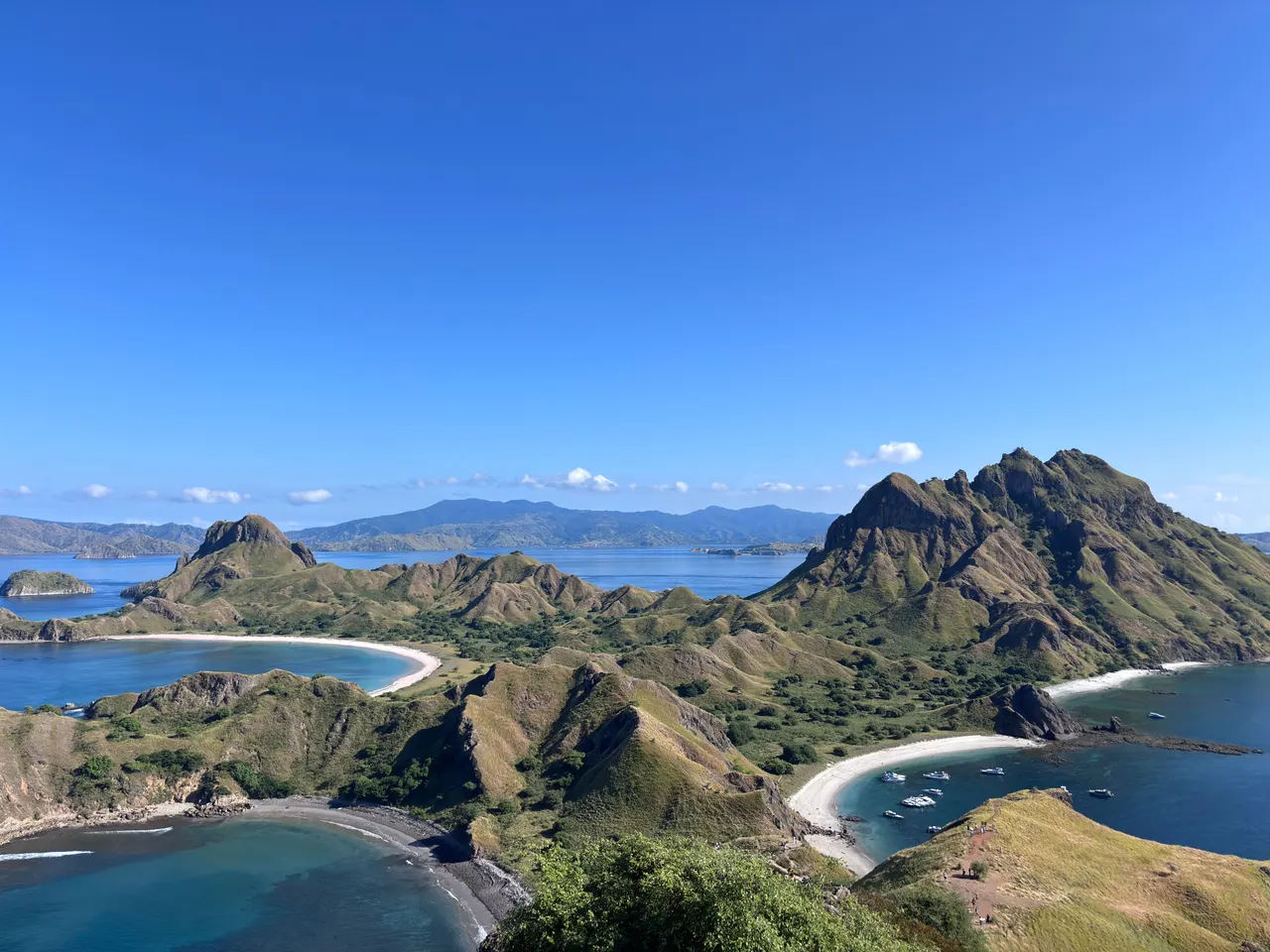
Indonesia
Warm-water boats a visitor can find
Several islands have dedicated spearfishing charters a traveler can book in English, on water that still holds reef fish and pelagics. No heavy visitor licence; the constraint is marine parks. Hunt the open water the operator already uses.
- Bookable spear charters
- Strong fish and game
- Park zones, not a pricey permit
The vibe
Chasing reef pelagics in these warm swells demands a high level of breath-hold discipline and deep respect for complex local marine management. The dry season brings the most reliable sea conditions and clear water for open-coast hunting. Visitors generally connect with experienced local spearfishers who know the currents and traditional access customs inside out.
local fishing permit

Alor Archipelago
East Nusa Tenggara
Sims8899 / Wikimedia Commons (CC BY-SA 4.0)
The Alor Straits are world-renowned for intense currents and massive biodiversity, offering some of the most challenging and rewarding spearfishing in Indonesia. The volcanic topography creates dramatic drop-offs and deep-water channels where pelagics frequently patrol.
Access. Access is primarily through specialized liveaboard charters departing from Kupang or Maumere. DIY shore access is extremely difficult due to remote geography and strong currents.
Notes. Spearfishing is permitted outside of designated marine protected areas. Always consult with local village elders or charter operators regarding traditional 'sasi' (customary no-take zones) which are strictly respected.

Banda Islands
Maluku
Unknown author Unknown author / Wikimedia Commons (CC BY-SA 3.0)
Rising dramatically from abyssal depths in the Banda Sea, these volcanic islands feature staggering underwater walls and deep blue drop-offs. Spearfishers encounter large pelagics, dogtooth tuna, and mammoth bumphead parrotfish cruising the steep volcanic ledges.
Access. Reachable via ferry or small aircraft from Ambon. Independent spearfishers must negotiate with local boat captains in Banda Neira for day charters to the outer islands like Banda Api and Rozengain.
Notes. Certain zones around the islands are marine reserves or traditional no-take areas. Verify current local zoning and obtain permission from local guides to avoid protected reefs.

Biak Island, Papua
Papua
Earth Science and Remote Sensing Unit , Lyndon B. Johnson Space Center / Wikimedia Commons (Public domain)
Biak sits on the edge of the deep Pacific Ocean, offering dramatic drop-offs that are ideal for bluewater hunting. The island's geography creates unique conditions for targeting pelagics like dogtooth tuna and wahoo.
Access. Spearfishing here is best organized through local contacts in Biak city who can arrange boat charters to the outer reefs and deep-water drop-offs.
Notes. Highly remote; self-sufficiency is required. Respect local customary 'sasi' (traditional fishing closures) which are strictly enforced by village elders.

Bunaken National Marine Park
North Sulawesi
prilfish from Vienna, Austria / Wikimedia Commons (CC BY 2.0)
Famous for its sheer vertical walls plunging into deep blue trenches, Bunaken presents dramatic structure hunting opportunities along the continental drop-offs. The rich nutrient flows attract abundant reef fish, jacks, and occasional pelagics patrolling the wall edges.
Access. Boats depart daily from Manado harbor. While diving dominates, specialized fishing charters and local guides can be arranged through independent boat operators in Manado or Bunaken village.
Notes. Bunaken is a national park requiring an entrance tag; spearfishing is strictly regulated and prohibited inside core sanctuary zones. Visitors must hire local guides who know the legal boundary lines.

Derawan Islands
East Kalimantan
consigliere ivan from Bontang, Indonesia / Wikimedia Commons (CC BY 2.0)
The Derawan archipelago offers a mix of shallow reef flats and dramatic deep-water drop-offs near the edge of the continental shelf. It is a prime location for encountering pelagics and large reef predators.
Access. Accessible via boat from Berau. Local boatmen are generally familiar with the waters, but specialized spearfishing guides are rare; DIY logistics are required.
Notes. No specific national license is required for visitors, but local village regulations regarding gear and catch limits must be followed. Avoid all marked marine sanctuary zones.
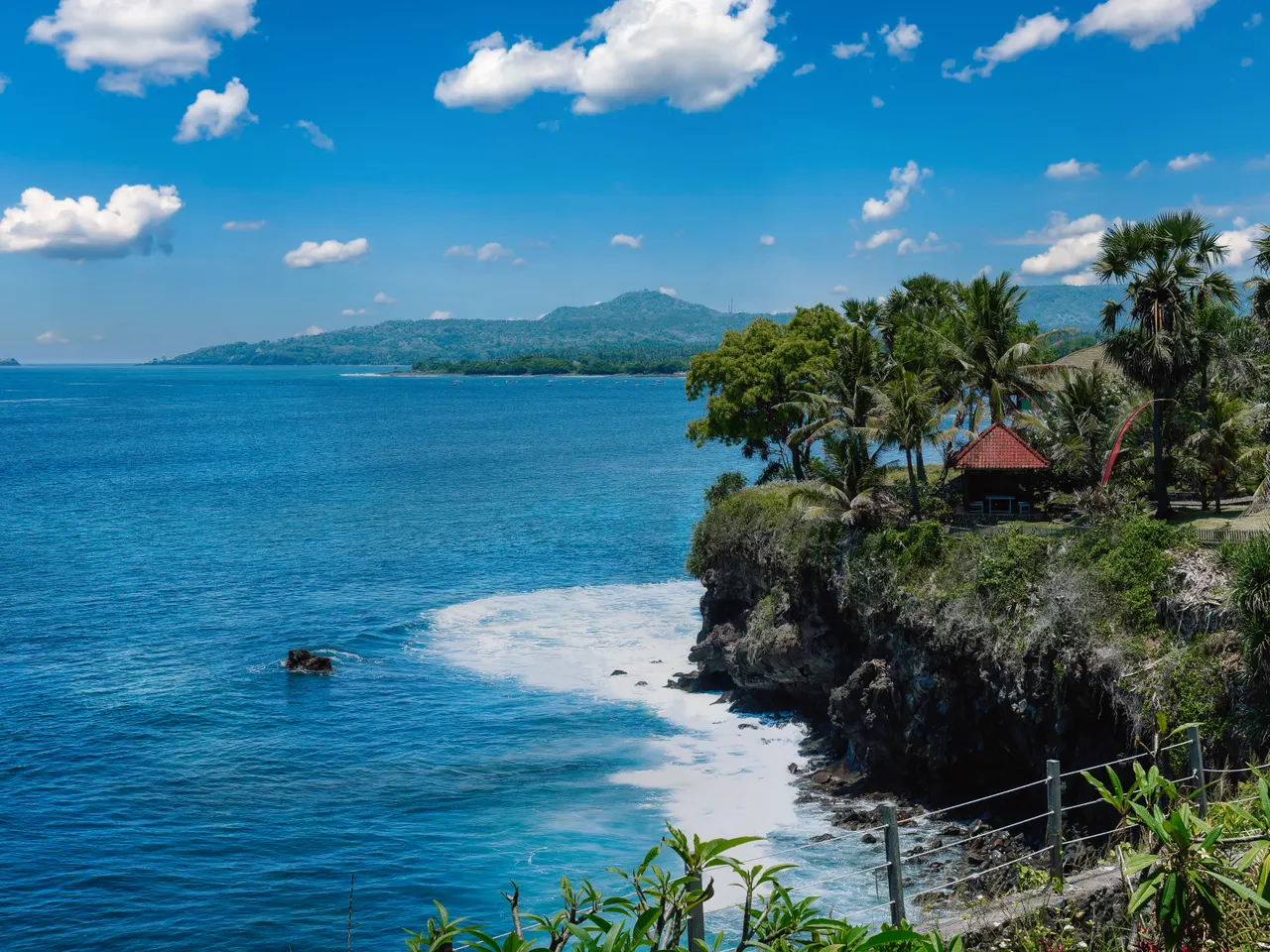
East Bali Coast (Amed–Tulamben)
Kepulauan Nusa Tenggara
Tomfisk · Pexels
Northeast Bali's volcanic shoreline drops from black-sand fishing villages into coral walls, drop-offs, and current-fed channels holding trevally, snapper, grouper, and reef species. Amed and Tulamben are longtime freedive spearfishing bases with clear water and a strong local fishing culture.
Access. Several Bali-based operators run half- and full-day spearfishing charters from Amed and Tulamben; shore entries from village beaches are possible on calm days but most visitors use jukung or speedboat trips. Gear rental is limited on-site—many spearos bring kit from Denpasar.
Notes. Freediving only—SCUBA or compressor-assisted spearfishing is prohibited nationwide. Karangasem Marine Protected Area (2023) zones the coast: core conservation areas are no-take; stay in permitted sustainable-fisheries zones with a local guide. Protected species (sharks, manta rays, Napoleon wrasse, turtles) must not be taken.

Karimunjawa Islands
Central Java
patargogo / Wikimedia Commons (CC BY 3.0)
Situated in the Java Sea north of Jepara, Karimunjawa features extensive patch reefs, shallow coral gardens, and clear sandy lagoons. It provides accessible reef hunting for snapper, grouper, and smaller pelagics in warm, manageable waters.
Access. Ferries and fast boats run from Jepara or Semarang to Karimunjawa main island. Local island boatmen can be hired for private trips to outer reef patches, though gear must be brought independently.
Notes. The area is a designated national park with strict zoning; spearfishing is strictly prohibited within core conservation zones and is only permissible in designated traditional utilization zones with local permission.

Kei Islands
Maluku
Udo Schmidt from Deutschland / Wikimedia Commons (CC BY-SA 2.0)
The remote Kei Islands offer pristine drop-offs and coral ridges with crystal-clear visibility, drawing intrepid spearfishers seeking undisturbed pelagic and reef action. Strong tidal currents sweep through the island channels, bringing in large dogtooth tuna, giant trevally, and pristine schooling reef fish.
Access. Access requires flying to Langgur via Ambon and chartering local wooden motorboats with captains who know the local current patterns. There are no commercial spearfishing shops; trips are entirely custom-arranged through local fishing contacts.
Notes. Remote area with no formal marine park guards in many outer zones, but visitors must respect local customary (adat) laws and village fishing grounds. Check with local village elders before entering traditional waters.

Morotai Island, North Maluku
North Maluku
Not stated in the AWM's database / Wikimedia Commons (Public domain)
Morotai offers rugged, remote coastlines with deep drop-offs and strong currents that attract large pelagic species. It is a premier destination for hunters seeking big game in pristine, untouched waters far from the typical tourist trail.
Access. Access is primarily through specialized spearfishing charters based in Ternate or direct arrangements with local boatmen in Daruba who have experience catering to visiting spearfishers.
Notes. Remote area; ensure all gear is brought in as local shops do not stock spearfishing equipment. Strictly avoid no-take zones near marine protected areas.

Raja Ampat Outer Islands
Southwest Papua
Earth Science and Remote Sensing Unit , Lyndon B. Johnson Space Center / Wikimedia Commons (Public domain)
The remote outer reaches of the Raja Ampat archipelago offer unparalleled marine life density. Hunters target the edges of steep coral walls and deep blue channels that connect the massive island groups.
Access. Requires a dedicated spearfishing charter. Most standard dive liveaboards prohibit spearfishing, so booking a private, fishing-focused vessel is essential.
Notes. Strict adherence to Raja Ampat Marine Park zoning is mandatory. Spearfishing is prohibited within the core no-take zones; verify current zoning maps with local authorities before entering the water.

South Lombok Coast
West Nusa Tenggara
Lasthib / Wikimedia Commons (CC0)
The south coast from Kuta Lombok to Ekas Bay has reef breaks, bommies, and current-fed channels with trevally, snapper, and reef fish. It is less developed than Bali but popular with Indonesian and visiting freedive hunters.
Access. Mostly DIY via scooter to beach access points; local boatmen in Kuta or Tanjung Aan can run reef trips. Gear is best brought from Bali (Denpasar shops) or rented there.
Notes. Exposed south coast—best in dry season (Apr–Oct) when swell is manageable. Respect local fishing communities and avoid reef areas used by surfers at peak times.

Sumbawa West Coast
West Nusa Tenggara
Earth Science and Remote Sensing Unit , Lyndon B. Johnson Space Center / Wikimedia Commons (Public domain)
The west-facing Sumbawa coast from Maluk Bay toward Moyo Island offers reef bommies, sandy channels, and warm Flores Sea water with trevally, snapper, and reef fish. It is less trafficked than Bali or Lombok and draws visiting freedive hunters seeking uncrowded grounds.
Access. Speedboat spearfishing day trips run from Sumbawa Besar and the Maluk area; options are fewer than Bali but gear and guides are arranged through local tour operators. Mostly boat-based—shore access is limited to select bays.
Notes. No national spearfishing licence for tourists; freediving only (no SCUBA/compressor fishing). Respect village fishing areas and avoid marine park zones around Moyo Island. Protected Indonesian species apply everywhere.

Togean Islands, Central Sulawesi
Central Sulawesi
Justin Philbois / Wikimedia Commons (CC0)
The Togean Islands feature a complex labyrinth of reefs, walls, and channels that provide excellent structure for reef hunting. The clear, calm waters allow for productive hunting of snapper, grouper, and various trevally species.
Access. Visitors typically hire local outrigger boats from Wakai or Bomba. Spearfishing-specific guides are best sourced through local island homestays that cater to visiting anglers.
Notes. Fishing is strictly prohibited within the Togean Islands National Park core zones; verify boundaries with local guides before entering the water.
Wakatobi
Southeast Sulawesi
Wakatobi features vast barrier reefs and deep-water drop-offs that attract large schools of snapper and tuna. The area is characterized by clear water and significant vertical relief.
Access. Best accessed via local boat charters from Wangi-Wangi or Tomia. Shore access is limited by the distance of the best reefs from the main islands.
Notes. The Wakatobi National Park has specific zones where fishing is restricted. Ensure you are operating in the sustainable use zones and respect local community fishing rights.