
Snorkeling in South Africa
Snorkeling spots in South Africa include Aliwal Shoal, False Bay Kelp Forests, and Hobie Beach & Shark Rock Pier.
The vibe
Diving into the kelp forests feels like exploring a cold, submerged cathedral teeming with inquisitive shy sharks and darting fish. Late summer offers the clearest water and most manageable sea temperatures. It is largely a DIY pursuit where you pull on a thick wetsuit from the shore without commercial crowds.

Aliwal Shoal, KwaZulu-Natal
KwaZulu-Natal
---=XEON=--- / Wikimedia Commons (CC BY 3.0)
World-renowned open-ocean snorkel site offering thrilling, guided encounters with oceanic blacktip sharks and ragged-tooth sharks over an ancient fossilized sand dune. The water is warm and exceptionally clear during the winter months.
Access. Boat-based excursions launch directly from the Umkomaas river mouth through the surf zone; book with licensed operators.
Notes. Strictly for confident snorkelers comfortable with open-ocean drifting and pelagic wildlife. Always follow safety briefings regarding sharks.
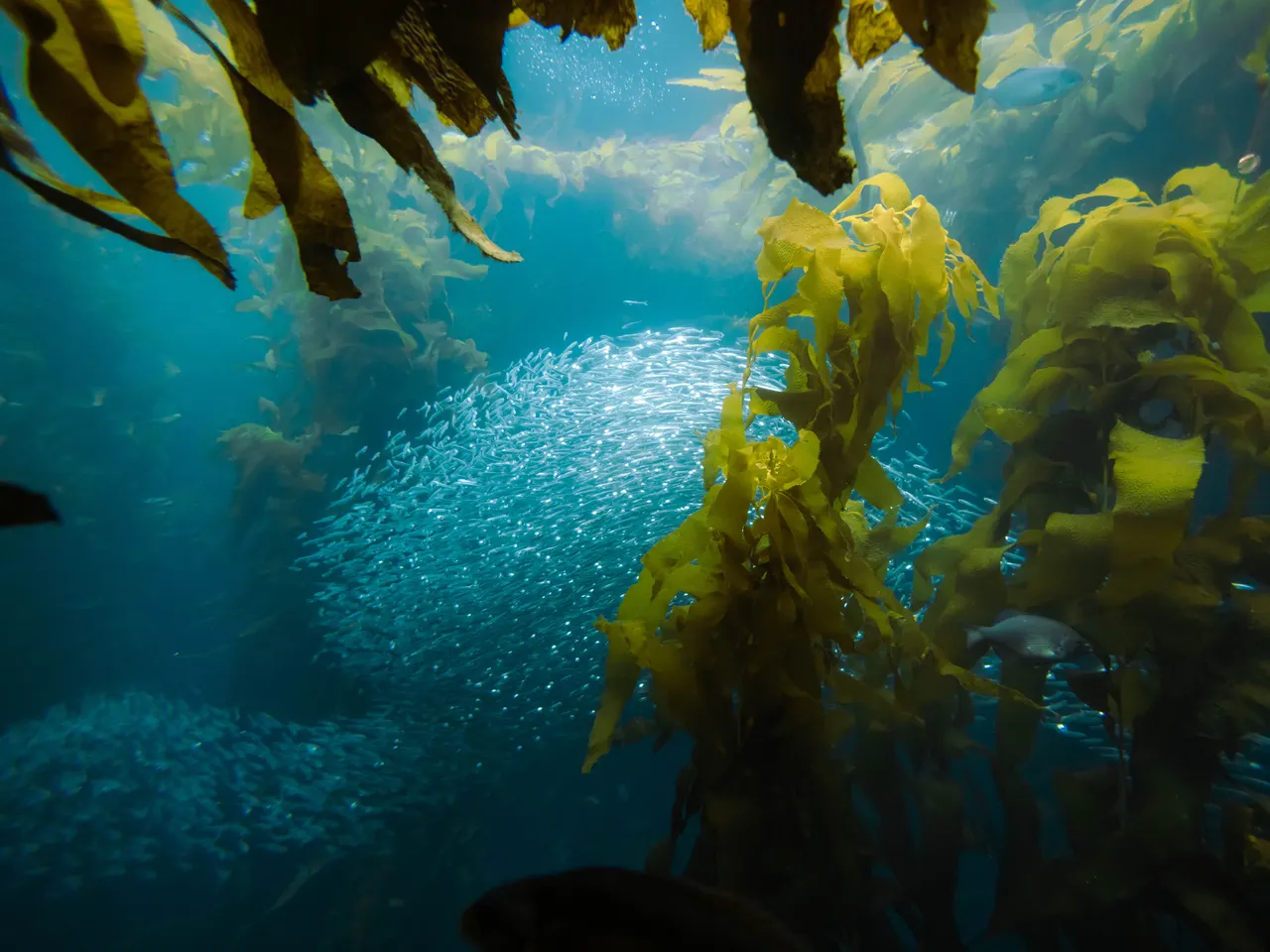
False Bay Kelp Forests, Cape Town
Western Cape
Isaacmijangos · Pexels
Snorkel through golden underwater forests of giant kelp in the cool, crystal-clear Atlantic waters of False Bay. Encounter curious Cape fur seals darting between the swaying fronds alongside colorful reef fish and invertebrates.
Access. Guided snorkel and freedive excursions operate from Simon's Town, providing wetsuits and gear for shore or boat-based kelp forest tours.
Notes. Water temperatures are cold year-round (10–15°C / 50–59°F), so thick wetsuits are essential. Watch out for shifting surge and tides.

Hobie Beach & Shark Rock Pier, Gqeberha
Eastern Cape
Jürgen Kehrberger / Wikimedia Commons (CC BY-SA 3.0)
Sheltered coastal reef and rocky outcrops offering accessible shore snorkeling in Algoa Bay. The rocky shallows harbor diverse reef fish, small catsharks, and colorful anemones.
Access. Easy shore entry directly from the main beach near the pier; gear hire available in summer months in Port Elizabeth.
Notes. Check water quality after heavy rains and watch out for occasional beachgoers and windsurfers.

Kosi Bay Mouth, iSimangaliso Wetland Park
KwaZulu-Natal
Hendrik van den Berg / Wikimedia Commons (CC BY 3.0)
Snorkel in the crystal-clear tidal channels connecting the Indian Ocean to a series of pristine coastal lakes. The shallows feature traditional fish traps, mangrove fringes, and an abundance of small tropical fish and invertebrates.
Access. 4x4 vehicle required to reach the Kosi Bay mouth parking area; gear must be brought along or rented from nearby eco-lodges.
Notes. Check tidal charts carefully as the current through the mouth can become very strong on the outgoing tide.

Langebaan Lagoon, West Coast National Park
Western Cape
Winfried Bruenken ( Amrum ) / Wikimedia Commons (CC BY-SA 2.5)
Shallow, turquoise-blue lagoon waters providing calmer and comparatively milder conditions than the Atlantic seaboard. Snorkel over sandy flats and eelgrass beds rich in juvenile fish and marine life.
Access. Shore access from the pristine beaches within the West Coast National Park; bring your own gear.
Notes. Tides can create strong currents in the lagoon channels. Park entrance fees apply.

Miller's Point, False Bay
Western Cape
belkit / Wikimedia Commons (CC BY-SA 3.0)
Famed for kelp forest snorkeling alongside inquisitive Cape fur seals in crystal-clear Atlantic waters. You will glide through golden kelp stalks surrounded by colorful reef fish and unique marine invertebrates.
Access. Easy shore entry from the slipway or tidal pool area; gear rental and guided snorkel tours available in nearby Simon's Town.
Notes. Water is cold year-round; a 5mm to 7mm wetsuit is essential. Watch for boat traffic near the slipway.

Noetzie Beach, Knysna
Western Cape
Elucidate / Wikimedia Commons (CC BY 3.0)
Tucked away near the Knysna estuary, Noetzie offers a rugged, scenic snorkeling experience around the rocky outcrops at the ends of the beach. The water is often clear enough to spot diverse reef fish and invertebrates sheltered by the dramatic coastline.
Access. Shore entry via a steep path from the parking area; best suited for confident swimmers due to the rocky nature of the site.
Notes. Check local swell reports as the area can be exposed to strong coastal currents.

Palmiet River, Betty's Bay
Western Cape
linkie / Wikimedia Commons (CC BY 4.0)
Snorkel in the tannin-stained, crystal-clear freshwater pools and rocky runs of a protected coastal riverine mountain catchment. Swim amongst indigenous freshwater fish in tea-colored water framed by fynbos-covered mountains.
Access. Easy walking access from the Harold Porter National Botanical Garden paths in Betty's Bay.
Notes. Water temperatures vary; wetsuits recommended in cooler months. Do not disturb sensitive fynbos habitats.

Protea Banks, Margate
KwaZulu-Natal
Georgina Jones / Wikimedia Commons (CC BY-SA 4.0)
An advanced open-ocean drift snorkel experience over a deep offshore reef system famous for aggregations of hammerhead sharks and other large pelagics. Experienced guides lead blue-water surface sessions in pristine blue currents.
Access. Rigorous zodiac boat launches from Shelly Beach harbor; advanced booking with specialized operators is mandatory.
Notes. Strictly open-ocean conditions with strong currents and deep water underneath. Not suitable for beginners.

Rocky Bay, Park Rynie
KwaZulu-Natal
darrel collins darrel / Wikimedia Commons (CC0)
Rocky Bay offers a sheltered, shallow reef environment perfect for snorkelers looking to explore vibrant rock pools and coastal reefs. The water is generally warm and teeming with subtropical fish species, making it a popular shore-entry spot for families and casual observers.
Access. Easy shore entry from the beach; snorkeling gear can be rented from local beachside kiosks or nearby resorts in the Park Rynie area.
Notes. Best to snorkel during low tide when the rock pools are most accessible and the water is calmest.

Sodwana Bay (Reef Two), iSimangaliso Wetland Park
KwaZulu-Natal
jeyre / Wikimedia Commons (CC BY 4.0)
South Africa's premier tropical coral reef snorkeling area, set within a UNESCO World Heritage site. Explore vibrant shallow coral gardens packed with colorful reef fish, turtles, and occasional rays in warm Indian Ocean water.
Access. Short beach-launched boat trips run by local dive operators from the Sodwana Bay main beach camp.
Notes. Protected marine park regulations apply. Surf launches can be bumpy depending on swell.

Storms River Mouth, Tsitsikamma National Park
Eastern Cape
Ad Meskens You are free to use this picture for any purpose as long as you credit its author, Ad Meskens . Example: © Ad Meskens / Wikimedia Commons If you use this work outside of the Wikimedia projects, a message or a copy is very much appreciated. This image is not in the public domain. A statement such as "From Wikimedia Commons" or similar is not by itself sufficient. If you do not provide clear attribution to the author you do not comply with the terms of the file's license and you may not use this file. If you are unable or unwilling to provide attribution you should contact Ad Meskens to negotiate a different license. / Wikimedia Commons (CC BY-SA 4.0)
Explore the dramatic marine protected area where indigenous forests meet the Indian Ocean gorge. Snorkel in crystal-clear river mouth waters and rocky shallows teeming with reef fish, shy sharks, and colorful soft corals.
Access. Short walk from the Tsitsikamma Rest Camp; guided snorkel tours and gear hire available on-site.
Notes. Conditions depend heavily on river run-off and sea swells. Marine park entry fees apply.