
Snorkeling in Philippines
Philippines
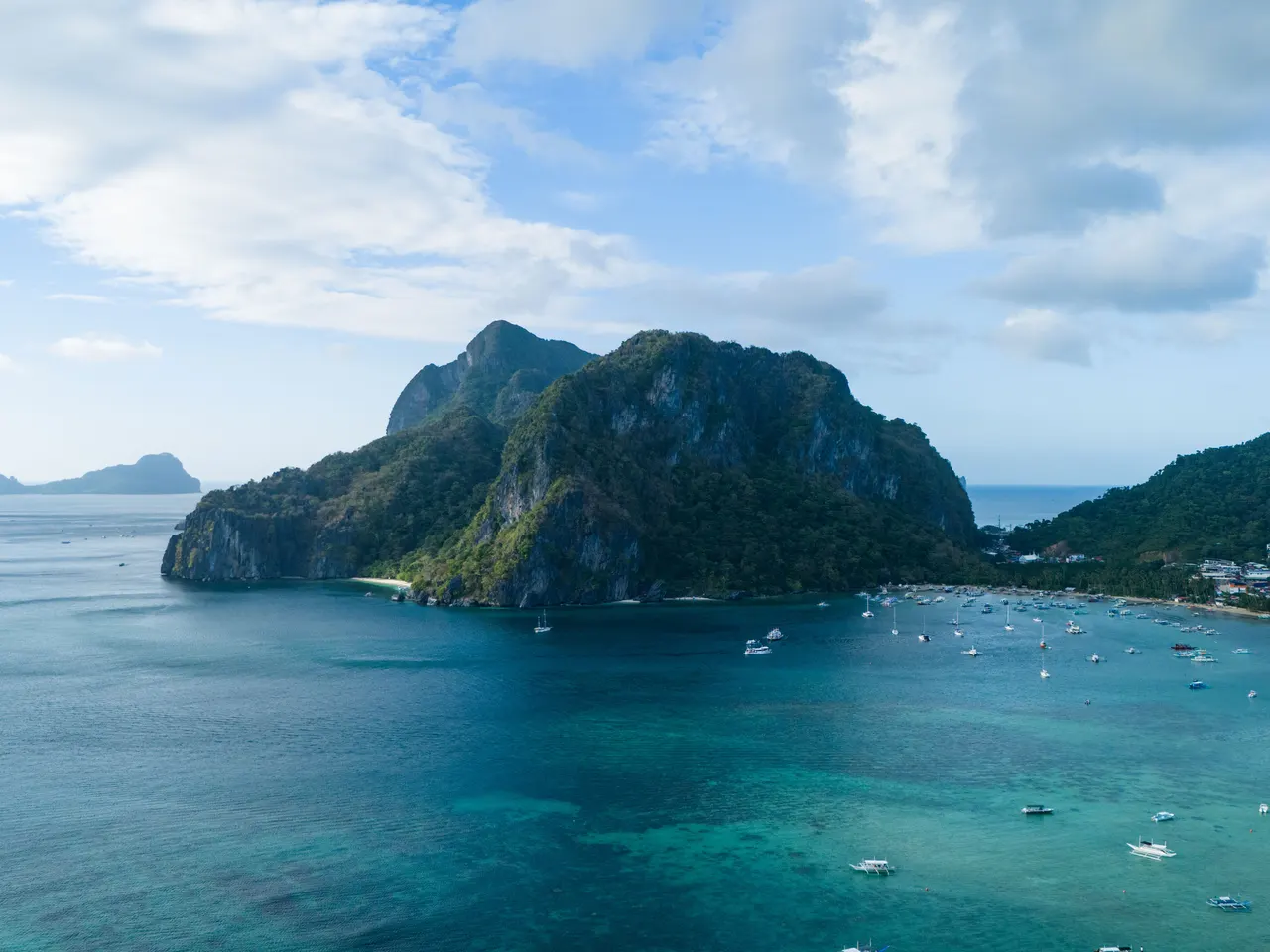
Island reefs with bangka days you can book
Several island groups run snorkel boats and beach entries a traveler can join without a club. Marine parks shape where you go; the boat already knows the open water. The reef is why you fly.
- Same-day island boats
- Clear water and real reef
- Park zones, not a swim licence
The vibe
Dipping your face into the water reveals thriving shallows packed with darting damselfish and sprawling coral gardens that sit just yards from the shoreline. The northeast monsoon months offer the clearest visibility across sheltered bays and shallow reef flats. It is an entirely casual affair where you simply rent a mask from a beach shack and wade straight off the sand.

Apo Island Marine Sanctuary, Negros Oriental
Negros Oriental
Anna Varona / Wikimedia Commons (CC BY 4.0)
Famous for its high density of sea turtles, the shallow reef flats of Apo Island provide an intimate snorkeling experience. The coral cover is diverse, and the proximity of the turtles to the surface makes it a world-class site for casual observers.
Access. Boat trips depart daily from Malatapay, Zamboanguita. Snorkel guides are mandatory and available for hire upon arrival at the island.
Notes. Marine park entrance fees are required; currents can be swift on the outer edges of the sanctuary.

Apo Reef Natural Park
Occidental Mindoro
macoy.mejia / Wikimedia Commons (CC BY-SA 4.0)
As the second-largest contiguous coral reef system in the world, Apo Reef is a snorkeling paradise featuring expansive shallow plateaus and dramatic drop-offs. The site is famous for its high density of sea turtles and healthy, colorful coral formations.
Access. Boat trips from Sablayan, Occidental Mindoro; typically requires an overnight stay on the island or a liveaboard.
Notes. Marine park permits and fees are required for all visitors.
Balicasag Island Marine Sanctuary
Bohol
Bobby MC GEE LEE · Pexels
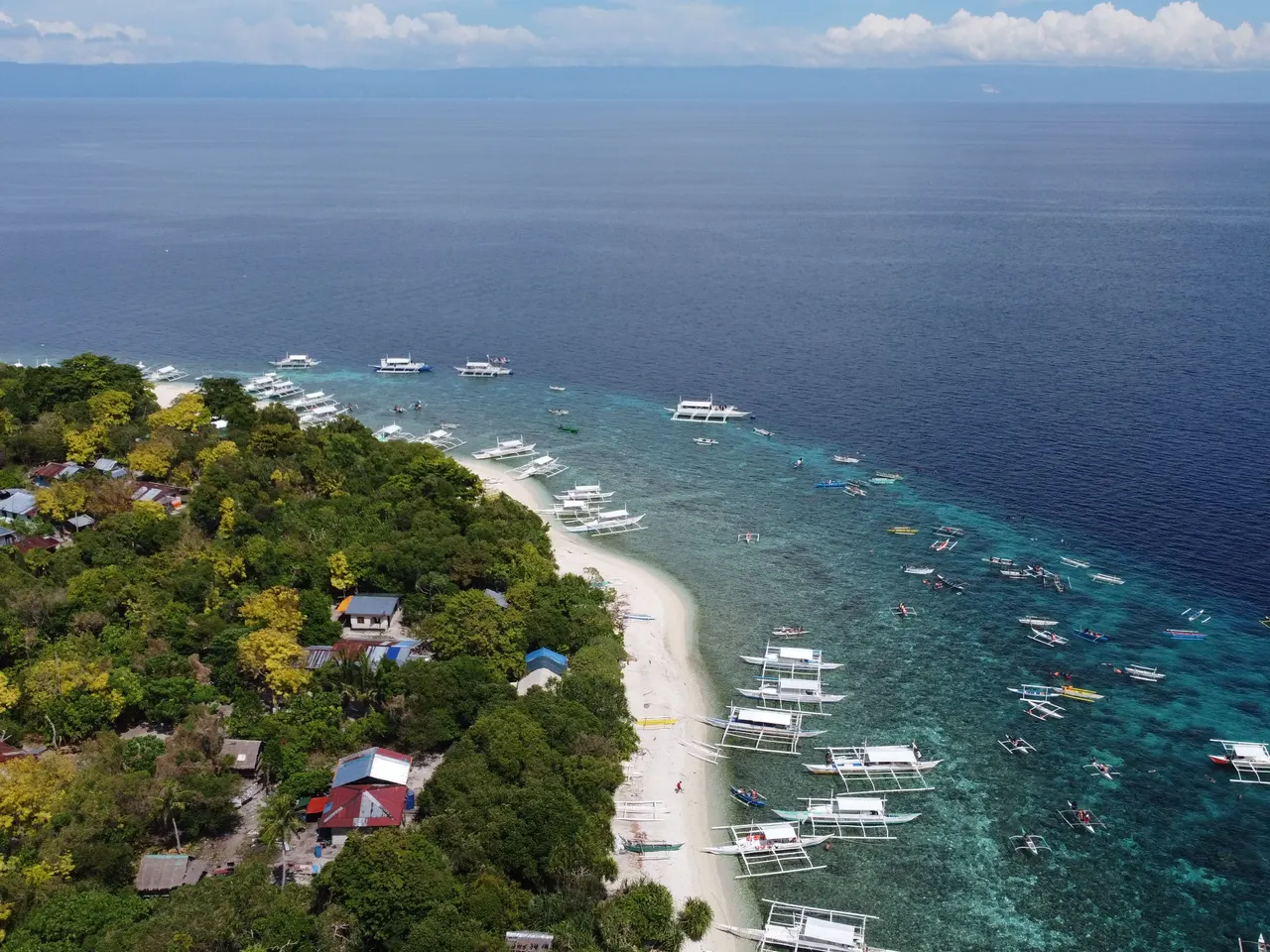
Drift snorkel along a steep, thriving drop-off wall encrusted with colorful corals and bustling with tropical reef fish. Large schools of jacks and frequent sea turtle encounters make this a standout island snorkel site.
Access. Accessible by a 45-minute outrigger boat trip from Alona Beach on Panglao Island, Bohol.
Notes. Paddlers and snorkelers must use designated marine sanctuary zones managed by local eco-guides.

Barracuda Lake, Coron
Palawan
André Héroux / Wikimedia Commons (CC BY 3.0)
Snorkel through a dramatic, steep-walled volcanic crater lake featuring striking thermoclines with alternating layers of warm and cool freshwater. The stark underwater limestone pinnacles and submerged cliffs create a surreal, crystal-clear swimming experience.
Access. Accessible via a short motorized boat ride from Coron town, followed by a brief walk over a wooden boardwalk.
Notes. Life jackets are mandatory inside the lake, and visitors should respect the local Indigenous Tagbanua protected area guidelines.

Blue Lagoon, Pagudpud
Ilocos Norte
Jubhel Claire Domingo / Wikimedia Commons (CC BY-SA 4.0)
While famous for its surf, the calmer sections of the Blue Lagoon offer interesting rock-shore snorkeling. Visitors can explore the shallow rocky outcrops that host various small reef fish and invertebrates in clear, turquoise water.
Access. Shore entry from the main beach area in Pagudpud.
Notes. Snorkeling is only safe during calm weather; avoid during high surf conditions.

Cabilao Island Reef, Bohol
Bohol
yuichiro anazawa / Wikimedia Commons (CC BY 3.0)
Cabilao is renowned for its crystal-clear waters and vibrant coral gardens that start just a few meters from the shore. Snorkelers can drift over steep drop-offs and shallow reef flats teeming with tropical fish and occasional sea turtles.
Access. Accessible via boat from Sandingan Island or Tagbilaran, Bohol. Local resorts on the island offer dedicated snorkeling boat trips to the best reef sections.
Notes. Strong currents can occur around the island's points; always check with local boatmen before entering the water.

Coral Garden, Puerto Galera
Oriental Mindoro
André Héroux / Wikimedia Commons (CC BY 3.0)
A designated snorkeling site known for its dense, colorful coral formations and high fish diversity. The site is shallow enough to appreciate the intricate reef structure from the surface, making it a favorite for snorkelers visiting Mindoro.
Access. Accessible via boat trips from Sabang or White Beach.
Notes. Boat traffic can be heavy; stay within the designated snorkeling zones.

Corregidor Island Mangroves
Cavite
yeowatzup / Wikimedia Commons (CC BY 2.0)
The mangrove forests around Corregidor offer a unique snorkeling experience where visitors can observe juvenile reef fish and invertebrates among the intricate root systems. The water is calm and sheltered, providing a distinct contrast to open-reef snorkeling.
Access. Guided mangrove snorkel tours can be arranged through local community-based tourism operators on the island.
Notes. Visibility depends on tidal conditions; best visited during high tide.

Donsol Bay
Sorsogon
Liisalaukkanen / Wikimedia Commons (CC BY-SA 3.0)
Donsol is a premier destination for snorkeling alongside whale sharks in their natural habitat. The experience is strictly regulated to ensure the animals remain undisturbed while snorkelers observe them in the open water.
Access. Snorkel tours are organized through the local tourism office; boats take visitors into the bay to locate the sharks.
Notes. Seasonal activity (typically November to June); flash photography is prohibited.

Guyam Island Reefs, Siargao
Surigao del Norte
Mats Sjödin / Wikimedia Commons (CC BY 3.0)
The waters surrounding this tiny, palm-fringed island offer shallow, accessible snorkeling over diverse coral patches. It is a popular stop for island-hopping tours where visitors can drift over the reef and enjoy the vibrant marine life in relatively shallow water.
Access. Part of the standard three-island boat tour departing from General Luna.
Notes. Best enjoyed during low tide when the reef is most accessible.

Honda Bay Reefs, Puerto Princesa
Mimaropa
mendhak / Wikimedia Commons (CC BY-SA 2.0)
Wade and snorkel across shallow sandy shallows and fringing reef patches populated by vibrant starfish and juvenile reef fish. The calm, protected waters make it an easy and relaxing spot for casual snorkelers.
Access. Short boat ride from the Honda Bay wharf, north of Puerto Princesa city in Palawan.
Notes. Best visited at low to mid tide when the sandbars and shallow reefs are most accessible.

Kawasan Falls Basin
Cebu
AntonTeope001 / Wikimedia Commons (CC BY-SA 4.0)
The turquoise, spring-fed pools of Kawasan Falls offer a refreshing freshwater snorkeling experience. The water is exceptionally clear, allowing snorkelers to see the unique rock formations and freshwater fish native to the river system.
Access. Accessible via a short hike from the main road in Badian; snorkel gear can be rented at the entrance.
Notes. Water is cool year-round; avoid visiting during heavy rainfall when visibility drops.

Malajon Island (Black Island), Coron
Palawan
Paul Christian B. Yang-ed / Wikimedia Commons (CC BY-SA 4.0)
Known for its dramatic black limestone cliffs and a shallow, sandy-bottomed reef, Black Island is a hidden gem for snorkelers. The area features a sunken shipwreck in shallow water that is easily accessible for snorkelers to view from the surface.
Access. Reached via boat tours departing from Busuanga or Coron Town. It is often a stop on longer island-hopping itineraries.
Notes. The shipwreck is in shallow water; be mindful of metal edges and surge.
Mantigue Island Nature Park, Camiguin
Camiguin
This small island is surrounded by a protected marine sanctuary with a steep drop-off covered in healthy hard and soft corals. Snorkelers can expect to see sea turtles and large schools of reef fish in the crystal-clear waters just off the white sand beach.
Access. Accessible by a 20-minute boat ride from the mainland of Camiguin.
Notes. Snorkel gear is available for rent at the island's visitor center.

Matinloc Island, El Nido
Palawan
Tuderna / Wikimedia Commons (CC BY 3.0)
Matinloc Island features dramatic limestone cliffs dropping into deep, clear water teeming with vibrant coral gardens. Snorkelers often explore the hidden coves and shallow reefs surrounding the island, which are home to diverse tropical fish species.
Access. Reached via standard island-hopping boat tours from El Nido town; gear rental is available at the tour departure point.
Notes. Currents can be strong near the limestone passages; always follow boat captain guidance.

Monad Shoal, Malapascua
Cebu
Robert Breivik / Wikimedia Commons (CC BY-SA 3.0)
Famous for being one of the few places in the world where thresher sharks can be reliably spotted at shallow cleaning stations. While often associated with scuba, dedicated snorkel boat trips are available to watch these majestic creatures from the surface in the early morning hours.
Access. Accessible via local boat charters from Bounty Beach on Malapascua Island.
Notes. Requires an early morning start (around 5:00 AM).

Pamilacan Island, Bohol
Bohol
Earth Science and Remote Sensing Unit , Lyndon B. Johnson Space Center / Wikimedia Commons (Public domain)
Pamilacan is a haven for those looking to snorkel in deeper, blue-water channels where larger marine life like dolphins and sea turtles are frequently sighted. The surrounding reef is pristine, offering a mix of wall snorkeling and shallow coral gardens.
Access. Boat excursions are easily arranged from Baclayon or Panglao, Bohol. Most tours include lunch and snorkel equipment.
Notes. Open-ocean conditions can be choppy; best visited during the calm summer months.

Panagsama Beach Sardine Run, Moalboal
Cebu
Robert Breivik / Wikimedia Commons (CC BY-SA 3.0)
Swim just a few meters off the shore to encounter a massive, swirling wall of millions of sardines that stays year-round. The water is exceptionally clear, and sea turtles often frequent the shallow drop-offs right outside the reef edge.
Access. Easy shore entry directly from Panagsama Beach in Moalboal, Cebu; gear rentals and local guides are widely available.
Notes. Watch out for passing outrigger boats close to shore; maintain a respectful distance from the marine life.

Sohoton Cove, Siargao
Surigao del Norte
Earth Science and Remote Sensing Unit , Lyndon B. Johnson Space Center / Wikimedia Commons (Public domain)
Sohoton Cove offers a unique snorkeling experience through winding limestone channels and hidden lagoons filled with stingless jellyfish and juvenile fish. The water is calm and sheltered, making it ideal for a relaxed snorkel among the karst formations.
Access. Accessible via boat tours from General Luna, Siargao. Visitors must transfer to smaller local paddle boats to enter the inner cove.
Notes. The jellyfish sanctuary is seasonal and protected; follow all guide instructions to avoid harming the marine life.

Tan-awan, Oslob
Cebu
Warrendering / Wikimedia Commons (CC BY-SA 4.0)
Experience open-water surface snorkeling alongside giant whale sharks in the coastal waters of southern Cebu. The session takes place a short distance offshore from motorized outrigger boats.
Access. Direct shore launch and boat boarding from Tan-awan village in Oslob; heavily regulated briefing required on site.
Notes. Strict local regulations apply, including prohibitions against touching the animals or using flash photography.

Tubbataha Reefs Natural Park
Palawan
Gregg Yan / Wikimedia Commons (CC BY-SA 3.0)
This UNESCO World Heritage site offers some of the most pristine coral reef snorkeling in the world, featuring massive walls and incredible biodiversity. Snorkelers can encounter reef sharks, turtles, and enormous schools of fish in crystal-clear Sulu Sea waters.
Access. Accessible only via liveaboard snorkel/dive charters departing from Puerto Princesa during the short season from March to June.
Notes. Strict marine park regulations apply; advanced booking is essential due to limited availability.