
Snorkeling in Maldives
Maldives
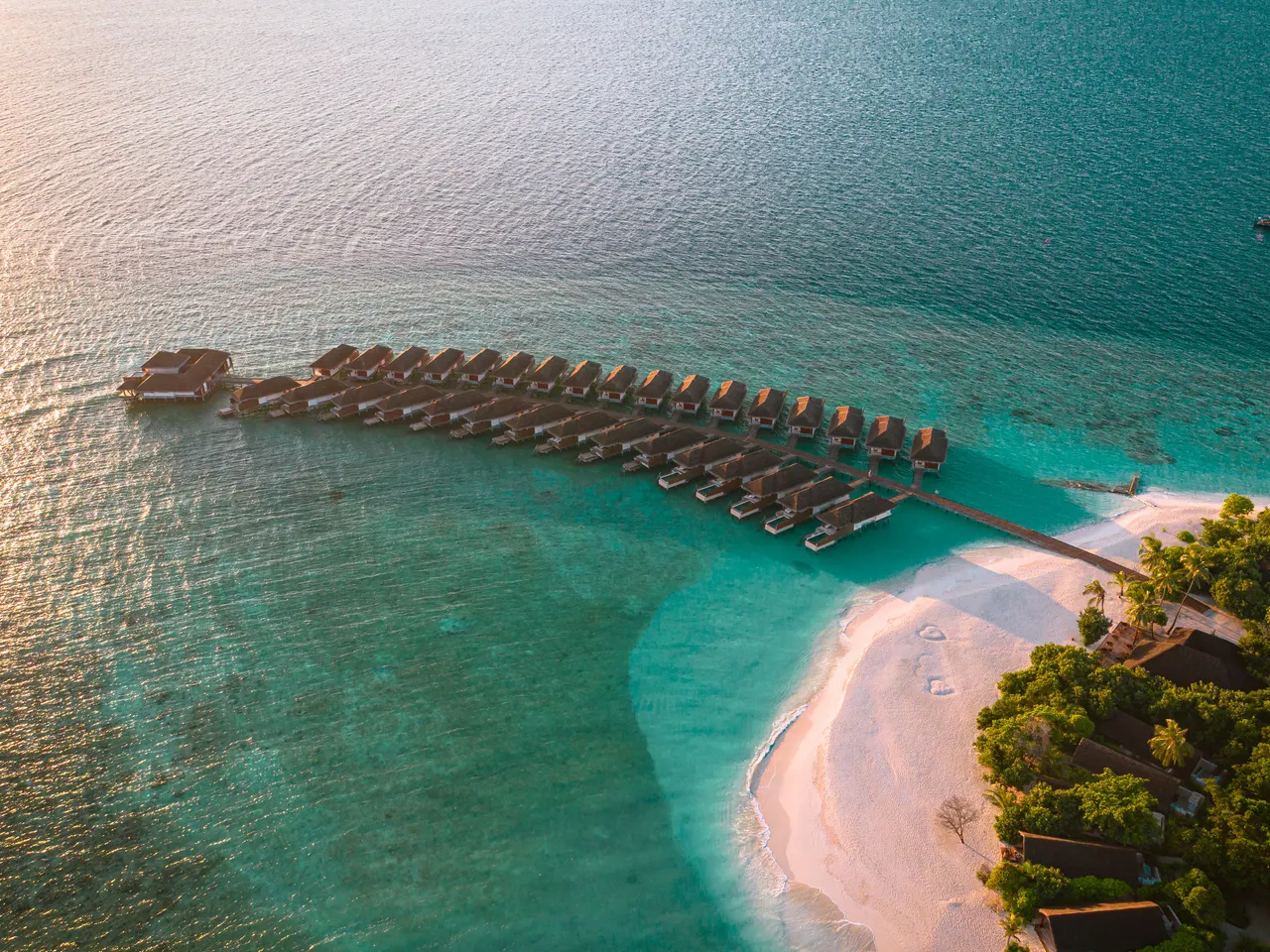
House reef after the transfer
The stay includes the snorkel: a house reef or a boat the island runs. Access is booked with the room. Once you land, getting in the water is the easy part.
- Reef with the stay
- Boat or house reef, no hunt for a shop
- Water is why you came
The vibe
Snorkeling here is like swimming inside a living mosaic of coral and fish that hover just a breath away, a clarity you rarely get elsewhere. Visibility peaks during the dry months when the water is calm, though you can still see plenty year‑round. Tours dominate the scene, with guides handling gear and a marine‑park ticket, giving a semi‑structured but still immersive experience.
marine‑park ticket

Banana Reef, North Male Atoll
Malé Atoll
Frans-Banja Mulder / Wikimedia Commons (CC BY 3.0)
One of the first discovered and most famous reef sites in the Maldives, featuring vibrant coral formations and dramatic overhangs. The shallow top reef is perfect for snorkeling, teeming with schools of bannerfish, oriental sweetlips, and reef sharks.
Access. Easily reachable by short boat trips from Male or nearby resort islands.
Notes. Currents can be strong on the outer edges; best to snorkel during slack tide.

Biyadhoo House Reef, South Male Atoll
Malé Atoll
DrooRadley / Wikimedia Commons (CC BY-SA 3.0)
Widely considered one of the best house reefs in the Maldives, offering easy shore access to a pristine coral garden. The reef slope drops off into deep water, providing a home for diverse reef fish, turtles, and occasional reef sharks.
Access. Direct shore entry from the beach of Biyadhoo Island Resort.

Cokes Reef, Thulusdhoo
Malé Atoll
disa310 / Wikimedia Commons (CC BY 3.0)
While famous for surfing, the reef surrounding Thulusdhoo offers incredible snorkeling in the calmer sections away from the surf break. The shallow areas are filled with vibrant anemones and juvenile reef fish.
Access. Shore entry from the island beach or short boat rides to the outer reef sections.
Notes. Avoid the main surf break area; snorkeling is safest on the inner lagoon side.
Dhangethi Island
South Ari Atoll
Asadphoto · Pexels
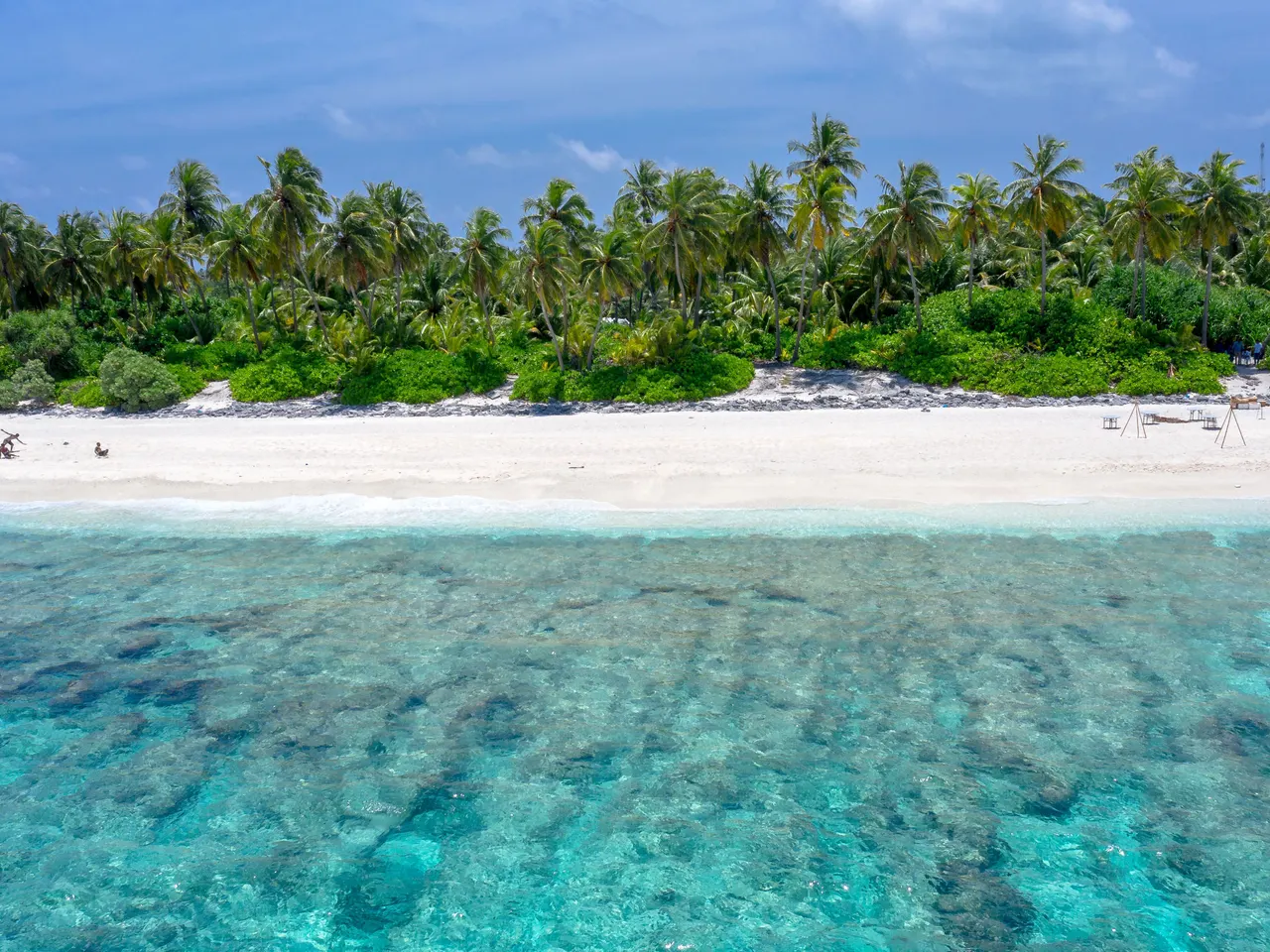
Located in the South Ari Atoll, Dhangethi offers fantastic shallow reef snorkeling right off its sandy shores and nearby Thilas. Snorkelers frequently encounter reef sharks, sea turtles, and vibrant coral formations in crystal-clear turquoise waters.
Access. Accessible via public ferry or speedboat from Malé to Dhangethi. Local guesthouses and dive centers organize daily guided snorkel trips to nearby marine hotspots like Whale Shark Point and Manta reefs.
Notes. Mind occasional strong tidal currents in atoll channels; respect local island dress codes.

Dhigali House Reef, Raa Atoll
North Maalhosmadulu
Darren Obbard / Wikimedia Commons (CC BY 4.0)
A sprawling and healthy house reef that offers a spectacular variety of hard and soft corals. The shallow lagoon transitions into a steep wall, providing a safe and exciting environment for snorkelers to see reef sharks and colorful reef fish.
Access. Convenient shore entry from the island's designated snorkel access points.

Fuvahmulah Tiger Shark Point
Fuvahmulah
Ibrahim Asad / Wikimedia Commons (CC BY 3.0)
A unique location where snorkelers can observe tiger sharks in the deep blue waters just off the harbor entrance. It is an adrenaline-filled experience that brings snorkelers face-to-face with apex predators in their natural habitat.
Access. Organized boat trips are required; these are strictly managed by local operators on Fuvahmulah Island.
Notes. Requires high confidence in the water; strictly follow all safety briefings from local guides.

Hanifaru Bay, Baa Atoll
South Maalhosmadulu
Abllo / Wikimedia Commons (CC BY-SA 4.0)
A world-renowned biosphere reserve famous for its seasonal aggregations of manta rays and whale sharks. Snorkelers can observe these gentle giants feeding in the nutrient-rich waters of this protected marine sanctuary.
Access. Accessible via guided boat excursions from nearby resorts in Baa Atoll; strict park regulations require all visitors to be accompanied by a certified guide.
Notes. Strict no-touch policy; limited number of snorkelers allowed in the water at one time.

Maaya Thila, Ari Atoll
North Ari Atoll
9002Jack / Wikimedia Commons (CC0)
A legendary underwater pinnacle that offers exceptional visibility and a dense concentration of marine life. Snorkelers can often spot hawksbill turtles, eagle rays, and reef sharks patrolling the shallow reef crest.
Access. Reached via boat excursions organized by local dive centers and resorts in the Ari Atoll region.
Notes. Best experienced as a boat-based snorkel trip due to the offshore location.

Manta Point, Lhaviyani Atoll
Faadhippolhu
shintata / Wikimedia Commons (CC BY 3.0)
This famous cleaning station is a prime spot for snorkeling with manta rays as they gather to be serviced by cleaner wrasse. The water is typically clear, allowing for excellent observation of these gentle giants in their natural habitat.
Access. Accessible via guided boat excursions organized by resorts and local guesthouses in Lhaviyani Atoll.
Notes. Strict no-touch policy; visitors must follow guide instructions to avoid disturbing the mantas.

Sun Island Reef, South Ari Atoll
South Ari Atoll
L-BBE / Wikimedia Commons (CC BY 3.0)
Located near the famous whale shark migration routes, this reef offers a mix of vibrant coral gardens and the chance to spot larger marine life. The clarity is exceptional, providing a great backdrop for observing schools of fusiliers and parrotfish.
Access. Boat trips are the primary way to reach the outer reef edges, though some sections are accessible from the shore.

Vaadhoo Island Reef, Raa Atoll
North Maalhosmadulu
евгений измайлов / Wikimedia Commons (CC BY-SA 3.0)
Known for its healthy coral formations and frequent sightings of eagle rays and reef sharks, this reef provides a classic Maldivian snorkeling experience. The shallow reef flat is ideal for drifting along with the current to view colorful hard corals.
Access. Boat access via local excursions or resort-led snorkeling trips.
Notes. Currents can be strong; snorkeling is best done with a guide or during slack tide.