
Snorkeling in Indonesia
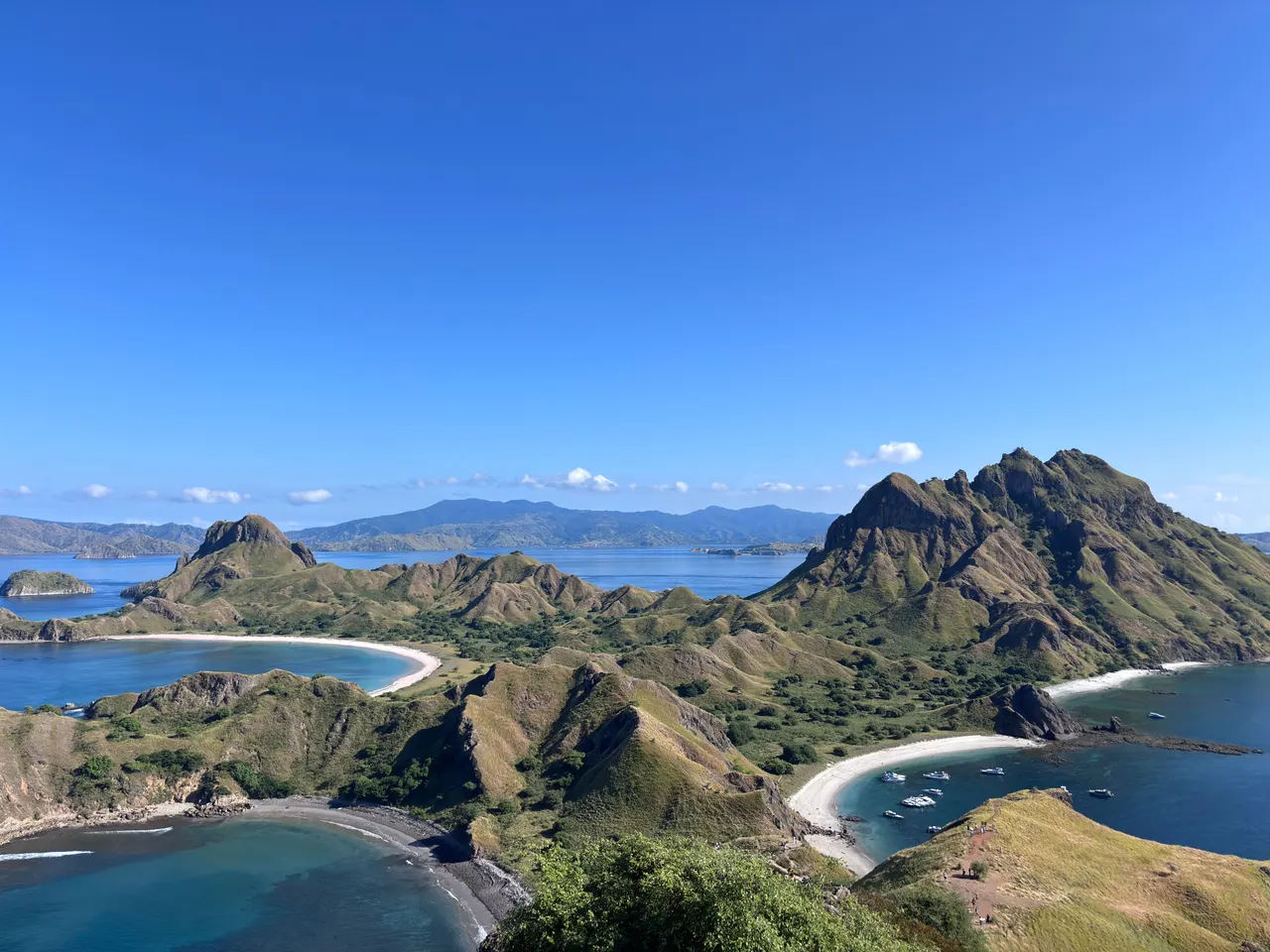
Indonesia
Bays you swim from, islands you boat to
Visitor islands pair walk-in shore snorkel with fast boats to neighbouring reefs. Shops and piers are easy to find. Parks matter; operators already work around them.
- Shore and boat in the same week
- Bookable day hops
- Reef worth getting wet for
The vibe
Gliding over shallow coral gardens here immerses you in a kaleidoscope of tropical reef fish under intensely warm tropical sun. The dry season from May to October delivers the calmest surface conditions and exceptional underwater visibility for casual floating. It is an easy, social experience where beachfront warung owners happily point out the best offshore entry points over morning coffee.
marine conservation fee

Arborek Jetty, Raja Ampat
Southwest Papua
Earth Science and Remote Sensing Unit , Lyndon B. Johnson Space Center / Wikimedia Commons (Public domain)
Step off a village pier into one of Raja Ampat's densest house reefs—hard and soft corals, giant clams, and clouds of reef fish in knee-to-5 m water. Visibility is typically excellent and the site rewards even casual snorkelers with trevally, batfish, and passing turtles. A world-class shore and jetty entry.
Access. Stay on Arborek homestays or visit on liveaboard/day-boat itineraries; shore and jetty entry with no boat needed once on the island. Raja Ampat marine park tag (PIN) required.
Notes. Drift current often runs east to west along the reef—snorkel with the flow. Do not touch giant clams or coral in the shallows.

Bira Beach, South Sulawesi
South Sulawesi
Arian Zwegers / Wikimedia Commons (CC BY 2.0)
The crystalline waters off Tanjung Bira offer powdery white sand bottoms and healthy coral patches just off the coast. Snorkelers can explore vibrant marine life and schools of reef fish in wonderfully clear water.
Access. Shore entry from the main beach or short local outrigger boat rides to nearby coral outcrops.

Blue Lagoon, Padang Bai
Bali
Lasthib / Wikimedia Commons (CC0)
A sheltered, picturesque cove on Bali's east coast featuring a sandy bottom and thriving coral patches inhabited by cuttlefish, reef sharks, and moray eels. The calm, clear waters make it an ideal spot for relaxed shore-entry or short jukung boat snorkeling. It offers a rich underwater ecosystem just minutes from the mainland harbor.
Access. Easy shore entry from the beach or a quick 5-minute ride on a local outrigger canoe (jukung). Gear rental and local boat operators line the beachfront.
Notes. Avoid swimming too far out into the channel due to occasional boat traffic from ferry routes.

Bunaken Island
North Sulawesi
Ariefrahman / Wikimedia Commons (CC BY-SA 4.0)
Wall reefs ring this small Sulawesi island, dropping from sunlit coral terraces into deep blue with extraordinary fish diversity. Snorkelers float above sheer walls draped in sponges and sea fans while schools of reef fish stream below. Water clarity is a highlight of the Bunaken Marine Park.
Access. Reach Manado or Bunaken by flight and boat; day-snorkel trips and resort packages depart from Bunaken village and Manado harbor with gear included. Most sites are a short boat hop from the island.
Notes. Bunaken National Park entrance fee applies. Strong currents on some wall sections—follow guide instructions and stay in designated snorkel zones.

Cape Kri, Raja Ampat
Southwest Papua
Lasthib / Wikimedia Commons (CC BY-SA 4.0)
A fringing reef off Kri Island famous for record-setting fish counts—layered hard corals and staggering numbers of species in clear lagoon water. Short boat rides put you over shallow gardens teeming with damselfish, parrotfish, and larger predators patrolling the drop-off edge.
Access. Boat snorkel trips from Kri Island homestays and resorts, or as part of broader Raja Ampat hopping itineraries from Sorong. Gear and guides arranged on the island.
Notes. Raja Ampat PIN fee required. Current can strengthen on the point—most visits are guided drift-snorkels.

Crystal Bay, Nusa Penida
Bali
Magul / Wikimedia Commons (CC BY-SA 4.0)
Protected by high rocky cliffs, Crystal Bay features exceptionally clear water and a vibrant coral reef stretching out into the channel. While famous for pelagic visits, the shallow shelf areas are packed with reef fish, vibrant hard corals, and anemones. Snorkelers can enjoy both easy shore exploration and guided boat drifts.
Access. Reachable by scooter or car down the island road, followed by an effortless walk onto the beach. Local warungs rent masks and fins right on the sand.
Notes. Strong currents can sweep through the outer mouth of the bay; stay close to the reef and shore unless with a guide.

Gamat Bay, Nusa Penida
Bali
Magul / Wikimedia Commons (CC BY-SA 4.0)
A sheltered northwest cove with clear water over coral bommies, sea fans, and abundant reef fish in the 2–10 m range. The bay is calmer than Penida's exposed coast, making it a favorite second stop on island-hopping snorkel days. Colorful hard coral and schooling fish reward easy floating sessions.
Access. Boat access only, typically combined with Crystal Bay or Manta Point on Nusa Penida day trips from Sanur or the Nusa islands. Gear provided by operators.
Notes. Part of Nusa Penida marine area—avoid touching coral and respect operator group limits at busy times.

Gapang Beach, Pulau Weh
Aceh
prilfish from Vienna, Austria / Wikimedia Commons (CC BY 2.0)
Located at the northern tip of Sumatra, Gapang Beach offers easy shore access to a thriving reef ecosystem. You can expect to see large schools of reef fish, sea turtles, and healthy coral formations just meters from the sand.
Access. Easy shore entry from the beach; local dive shops offer gear rentals and boat trips to nearby offshore reefs.

Gili Meno Turtle Wall, Gili Islands
West Nusa Tenggara
yeowatzup / Wikimedia Commons (CC BY 2.0)
This famous offshore reef drop-off near Gili Meno is known for regular, reliable encounters with wild sea turtles gliding gracefully along the coral wall. The water is exceptionally clear, making it easy to spot turtles feeding on sponges and corals from a short boat distance. It is one of Indonesia's most dependable spots for close-up marine life viewing.
Access. Reached via short glass-bottom boat or island-hopping snorkel trips from Gili Trawangan, Gili Meno, or Gili Air. Rental masks and fins are widely available on all three islands.
Notes. Expect multiple tour boats around the site during midday peak hours.
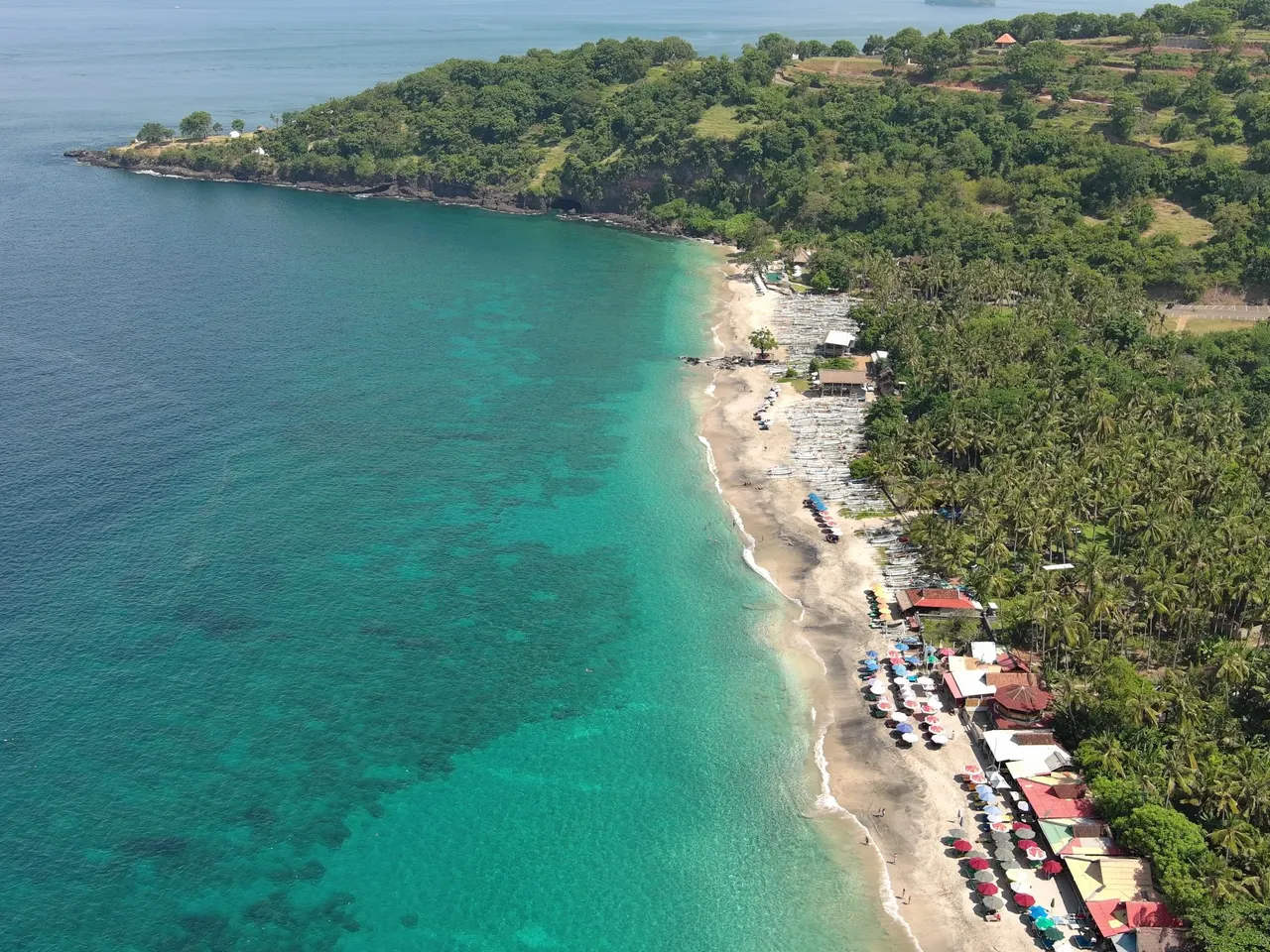
Jemeluk Bay, Amed
Bali
Agustinus Irawan · Pexels
A calm northeast-Bali bay with gin-clear water over a coral plateau that shelves into a dramatic wall. Shore entry puts you on healthy hard coral, sea fans, and reef fish within minutes. Turtles and reef sharks occasionally cruise the drop-off on calm mornings.
Access. Easy shore entry from Jemeluk village; snorkel gear for rent at beachfront warungs and dive shops along the Amed coast. No boat required for the main house reef.
Notes. Generally sheltered inside the bay; avoid finning over shallow coral near the beach. Depth increases quickly on the outer wall.

Kakaban Lake, Derawan Islands
Kalimantan Timur
Riza Nugraha from Singapore, Singapore / Wikimedia Commons (CC BY 2.0)
A unique marine lake separated from the ocean, famous for its non-stinging jellyfish. Snorkeling here allows you to swim alongside thousands of harmless jellyfish in pristine, calm water.
Access. Requires a boat trip from Derawan or Maratua Island followed by a short jungle trek.
Notes. Strictly no sunscreen or fins allowed to protect the delicate jellyfish ecosystem.

Manta Point, Nusa Penida
Kepulauan Nusa Tenggara
FBilula / Wikimedia Commons (CC BY 4.0)
Reef mantas gather year-round at this southwest Nusa Penida cleaning station, circling over coral bommies in deep blue water. Boat-based snorkeling puts you eye-level with large rays while little reef lies directly below. One of Bali's most dependable manta encounters for snorkelers.
Access. Day boats from Sanur, Nusa Lembongan, or Nusa Penida (~45–60 min); almost all Penida snorkel tours include Manta Point with gear rental. No shore access.
Notes. Strong currents and choppy surface possible; follow guide briefing and stay with the boat group. Cold thermoclines common.

Manta Sandy, Raja Ampat
Papua Barat Daya
Buena Ventura / Wikimedia Commons (CC BY 3.0)
A sandy cleaning station in the Dampier Strait where reef manta rays glide overhead in blue water with little reef underfoot. Snorkelers watch mantas loop and hover while cleaner wrasse attend them—a reliable big-animal encounter by Raja Ampat standards.
Access. Reached by guided boat trip from Arborek, Kri, or liveaboard schedules; operators pair the site with nearby reef stops. Snorkel and freedive guides manage approach distances.
Notes. Raja Ampat PIN required. Maintain respectful distance from mantas; site is regulated and guides enforce no-touch rules.

Menjangan Island, West Bali
Bali
Earth Science and Remote Sensing Unit, NASA Johnson Space Center / Wikimedia Commons (Public domain)
Northwest Bali's clearest water sits around this uninhabited national-park islet, with shallow coral gardens giving way to steep drop-offs full of gorgonians and reef fish. Visibility often exceeds 20 m on calm days, and you can snorkel right from the beach after a short boat ride. Turtles, Napoleon wrasse, and dense schools of tropical fish are routine sights.
Access. Mandatory park permit and local guide; boats depart from Labuan Lalang or Pemuteran (~30–40 min). Full-day snorkel tours with gear rental are easy to book from Pemuteran guesthouses and dive shops.
Notes. Bali Barat National Park fees apply; best visibility May–October. Do not touch or stand on coral in the shallow terraces.

Pasir Timbul, Raja Ampat
Southwest Papua
GGgord / Wikimedia Commons (CC BY-SA 4.0)
A dazzling sandbar appearing at low tide in the middle of turquoise waters, surrounded by pristine shallow coral reefs. Snorkelers can drift over stunning coral gardens bursting with macro life, schooling fish, and pristine hard corals. The stunning white sand contrast against deep blue water makes it a premier snorkel stop.
Access. Visited via speedboat day trips or island resort excursions across the Raja Ampat central islands. Snorkel gear is brought along by tour operators.
Notes. No shade on the sandbar; sun protection is essential.

Prigi Bay, East Java
East Java
Mujiono Leo / Wikimedia Commons (CC BY-SA 3.0)
Prigi Bay offers protected coastal waters with sheltered coves where local snorkelers explore rocky reefs and shallow coral patches. The calm bays provide a relaxed environment for spotting diverse small reef fish.
Access. Accessible via shore entry from small secluded coves or by hiring local fishermen's boats from the Prigi port.
Notes. Check local weather conditions during monsoon season as swells can affect nearshore visibility.

Pulau Derawan
Kalimantan Timur
Edelweiss blogger / Wikimedia Commons (CC BY-SA 4.0)
A laid-back East Kalimantan island where green turtles feed steps from the village pier in jade-green water over coral and sand. Shore snorkeling is excellent without going far—reef fish, soft corals, and frequent turtle sightings make it a standout Borneo snorkel base.
Access. Fly to Berau and take boat transfers to Derawan village; snorkel directly from the main pier and house reefs. Gear rental available at guesthouses.
Notes. Respect turtle nesting and feeding areas; some outer sites require a short boat ride. Jellyfish possible seasonally—check locally.

Riung Seventeen Islands Marine Park
East Nusa Tenggara
Patrick Rock / Wikimedia Commons (CC BY 3.0)
A pristine, lesser-visited archipelago off Flores featuring calm mangrove channels and vibrant fringing coral reefs. Snorkelers can glide through shallow waters filled with healthy hard corals and juvenile reef fish sheltered by lush mangrove roots. It offers an off-the-beaten-path aquatic wilderness experience.
Access. Explored entirely by chartered wooden motorized boats departing from the small port town of Riung. Guides and gear must be arranged in Riung village beforehand.
Notes. Remote location with limited tourist infrastructure; bring your own preferred snorkel gear if very particular.

Siaba Besar, Komodo
East Nusa Tenggara
Bahnfrend / Wikimedia Commons (CC BY-SA 4.0)
Komodo National Park's 'turtle city'—a shallow bay where green turtles feed on seagrass and rest on the reef in calm, gin-clear water. Snorkelers drift over healthy coral patches and sandy channels with turtles, reef fish, and occasional reef sharks close to the surface.
Access. Included on Komodo day-boat and liveaboard snorkel itineraries from Labuan Bajo; no shore access from the mainland. Park fees and guide required.
Notes. Komodo National Park ranger fees apply. Do not chase or touch turtles; currents are mild inside the bay.

Tanjung Kuala, Wakatobi
Southeast Sulawesi
Pambudiyoga / Wikimedia Commons (CC BY-SA 4.0)
A stunning wall dive site that is equally accessible for snorkelers, featuring a dramatic drop-off covered in pristine coral. The clarity is world-class, offering views of pelagic fish passing by the reef edge.
Access. Boat access from Wangi-Wangi island; most resorts provide guided snorkel excursions.
Notes. The drop-off is steep; stay within your comfort zone and be mindful of potential currents.

Umbul Ponggok, Klaten
Jawa Tengah
Titah Sawantah / Wikimedia Commons (CC BY-SA 4.0)
A spring-fed pool in central Java with startlingly clear freshwater and decorative fish swimming among underwater props and platforms. Visibility is aquarium-like in the calm spring basin—a unique inland snorkel experience far from the coast. Popular with domestic and international day-trippers.
Access. Drive or day-trip from Yogyakarta (~1.5 hours); pay entrance fee at the site and rent snorkel gear on arrival. Shore entry from the pool edge—no boat needed.
Notes. Freshwater spring rules apply; crowded on weekends. Follow staff instructions for designated swim zones.
Wakatobi National Park
Southeast Sulawesi
Remote southeast-Sulawesi atolls and fringing reefs with some of Indonesia's clearest, warmest water and pristine coral gardens. Snorkelers float above vast hard-coral tables, sea fans, and dense fish life from house reefs and short boat hops. A bucket-list coral destination for serious snorkel travelers.
Access. Fly to Matahora Airport (Wakatobi) or reach via multi-leg routes; resort and liveaboard packages include daily boat snorkel sessions with gear. Most sites are boat-accessed from the archipelago.
Notes. National park fees apply. Remote location—plan multi-day stays. Some reefs are shallow and fragile; follow guide routes.