
Ski & snow in Japan
Japan
Powder resorts that sell tickets to visitors
Ski towns take foreign guests — lifts, rental, lodges you book. The snow is the identity. You ride as a visitor. Season is winter.
- Visitor tickets and rental
- Resorts built for guests
- Snow as the reason to go
The vibe
Deep, consistent powder blankets the northern peaks in a reliable deluge that outpaces almost anywhere else on earth for sheer snow quality. January and February deliver the deepest accumulation and the famous dry flakes. While certain resort bases buzz with international skiers, stepping slightly off-piste reveals quiet, efficient operations where a lift pass simply opens endless tree runs.
lift pass

Appi Kogen
Iwate Prefecture
掬茶 / Wikimedia Commons (CC BY-SA 4.0)
Located in Iwate Prefecture, Appi Kogen is celebrated for its meticulously groomed long cruisers and high-quality powder snow. The resort features a well-designed layout with modern facilities and distinct zones for all skill levels.
Access. Fly to Iwate-Hanamaki Airport or take the Tohoku Shinkansen to Morioka Station, then transfer to a local bus or train.
Notes. Famous for its beautifully aligned tree runs and parallel groomed trails.

Furano Ski Resort
Hokkaido Prefecture
松岡博文 / Wikimedia Commons (CC BY 3.0)
Located in central Hokkaido, Furano features a wide range of groomed runs and steep tree skiing. It is famous for its consistent powder snow and stunning views of the Tokachi mountain range.
Access. Fly into Asahikawa Airport or take the JR train and bus from New Chitose Airport. The resort has two distinct zones linked at the base.
Notes. Season runs from late November through early May. Peak powder conditions typically occur in January and February.

Geto Kogen
Iwate Prefecture
Ocavis Leechroot / Wikimedia Commons (CC BY 3.0)
Located in Iwate Prefecture in Tohoku, Geto Kogen is a hidden powder gem receiving colossal snow totals and featuring extensive, expertly managed tree run zones. The resort embraces a progressive freeride culture with designated powder areas.
Access. Take the Tohoku Shinkansen to Kitakami Station, then ride the seasonal direct resort shuttle bus. Lift tickets include options for standard or expanded tree-run access.
Notes. Heavy snowfall requires frequent checks of weather reports and avalanche bulletins within the steep gladed zones.

Hakuba Cortina
Nagano Prefecture
まも(Mamo) / Wikimedia Commons (Public domain)
Located at the northernmost tip of the Hakuba Valley, Cortina is famous for its steep unmanaged tree runs and heavy powder accumulation. It operates as a self-contained resort bowl that funnels back to a single central hotel.
Access. Accessible via shuttle bus from Nagano Station or other areas within the Hakuba Valley.
Notes. Famous for permissive tree-skiing policies, though strict safety rules apply in unpatrolled zones.
Hakuba Valley
Nagano Prefecture
Photo by Shashank Brahmavar on Pexels
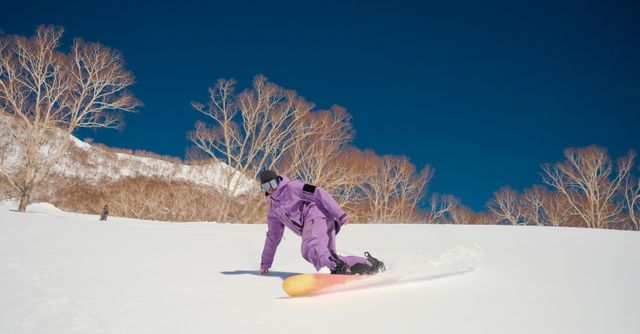
Host of the 1998 Winter Olympics, Hakuba is a massive alpine region in the Japanese Alps offering dramatic peak topography and diverse terrain. It caters to all levels with multiple distinct resorts sharing a unified valley pass.
Access. Fly to Tokyo, take the Hokuriku Shinkansen to Nagano Station, and catch a 60-minute express bus directly into the valley.
Notes. Season spans mid-December to early April. Backcountry gates are strictly regulated.

Minakami Ski Area
Gunma Prefecture
photo: Qurren ( talk ) Taken with Canon PowerShot G9 X / Wikimedia Commons (CC BY-SA 4.0)
Situated in the mountainous northern reaches of Gunma Prefecture, Minakami offers a mix of family-friendly resort slopes and deep powder stashes close to Tokyo. The area is surrounded by rugged peaks providing scenic alpine vistas.
Access. Take the Joetsu Shinkansen from Tokyo to Jomo-Kogen Station, followed by a short taxi or resort shuttle. Lift passes are affordable and geared toward day-trippers and weekend visitors.
Notes. Popular weekend destination with abundant snowfall feeding into the Tone River basin.

Mount Asahidake
Hokkaido Region
lumoplank / Wikimedia Commons (CC0)
As Hokkaido's highest peak, Asahidake is an iconic un-patrolled backcountry and alpine ski touring destination centered around a single ropeway. It caters strictly to advanced freeride skiers and snowboarders seeking steep, untracked powder in a volcanic wilderness.
Access. Fly to Asahikawa Airport, rent a car or take a bus to Asahidake Onsen, then ride the Asahidake Ropeway up to the alpine zone. No traditional resort infrastructure exists here.
Notes. Strictly off-piste backcountry environment with extreme weather hazards, rapid visibility drops, and avalanche risks. Proper safety gear and experience are mandatory.
Niseko Annupuri
Hokkaido
Shashank Brahmavar · Pexels
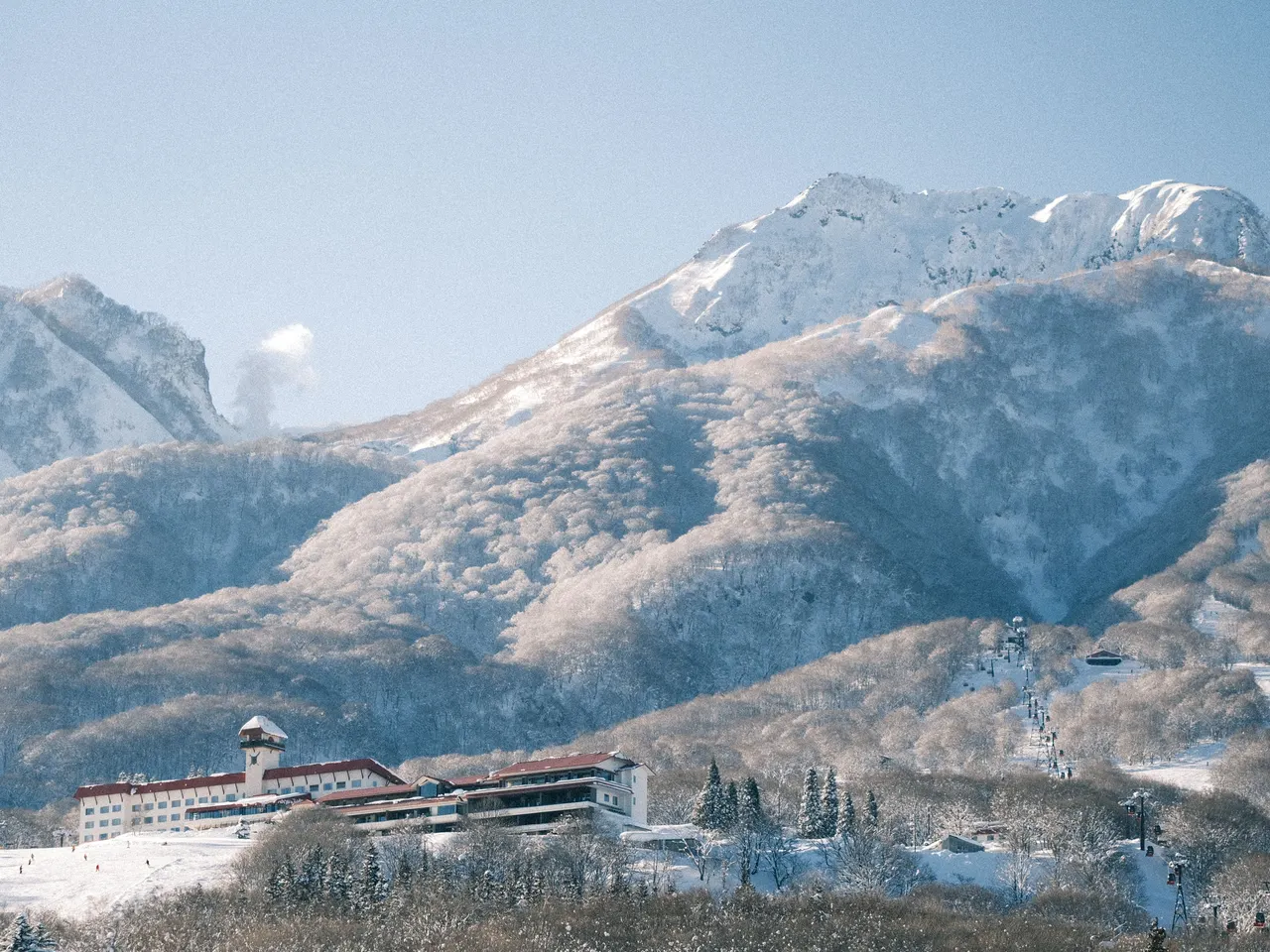
Renowned for its consistent, deep powder snow, Niseko Annupuri provides exceptional tree skiing and accessible backcountry gates. It is a top-tier destination for those looking to experience Japan's famous 'Japow' culture.
Access. Located on Hokkaido, accessible via shuttle bus from New Chitose Airport; visitors typically base in the Hirafu or Annupuri village areas.
Notes. Winter season peaks in January and February; strictly adhere to resort gate protocols for backcountry access.

Nozawa Onsen
Nagano Prefecture
Greg Schechter from San Francisco, USA / Wikimedia Commons (CC BY 2.0)
A historic hot spring village fused with a traditional ski resort, offering long cruising runs, steep powder zones, and authentic Japanese culture. The village features public bathhouses fueled by natural mineral springs.
Access. Take the bullet train from Tokyo to Iiyama Station, then catch a 25-minute direct local bus to the village.
Notes. Season lasts from late November until early May.

Sahoro Resort
Hokkaido Prefecture
Soica2001 ( talk ) / Wikimedia Commons (Public domain)
Tucked away in the Tokachi region of Hokkaido, Sahoro offers uncrowded slopes, pristine glade skiing, and panoramic mountain views. It is a quieter alternative to major hubs while maintaining excellent snow quality.
Access. Fly into Obihiro Airport or take the train to Shintoku Station, followed by a short taxi or resort shuttle.
Notes. Excellent tree skiing zones are officially open for intermediate and advanced riders.

Zao Onsen
Yamagata Prefecture
Ymblanter / Wikimedia Commons (CC BY-SA 4.0)
Zao Onsen in Yamagata Prefecture combines classic skiing with the surreal sight of 'snow monsters'—frost-covered trees sculpted by winter winds. The ski area offers long, winding runs through scenic mountain terrain.
Access. Take the Yamagata Shinkansen to Yamagata Station, followed by a 45-minute bus ride to Zao Onsen village.
Notes. Famous for natural hot springs (onsen) and illuminated night skiing among the snow monsters.