
Sightseeing in New Zealand
Sightseeing spots in New Zealand include Aoraki / Mount Cook National Park, Arrowtown Historic Village, and Church of the Good Shepherd.
The vibe
Driving here feels less like touring crowded monuments and more like passing through vast, shifting landscapes where the road simply carves its own quiet path through mountains and fjords. Summer brings a steady stream of campervans to the main lookouts, but you can always slip down an empty side road and find total solitude. It is wonderfully DIY, letting you pull over wherever the light hits the valley just right.

Aoraki / Mount Cook National Park, Canterbury
Canterbury
Avenue / Wikimedia Commons (CC BY-SA 3.0)
Home to New Zealand's tallest peak and longest glaciers, this alpine park offers dramatic mountain vistas and world-class glacial scenery. It is a premier destination for those seeking the raw, towering beauty of the Southern Alps.
Access. Accessible by road via State Highway 80; most visitors arrive by car or tour bus from Christchurch or Queenstown.
Notes. Weather can change rapidly; alpine gear is recommended even in summer.
Arrowtown Historic Village, Otago
Otago
Photo by Josh Withers on Pexels
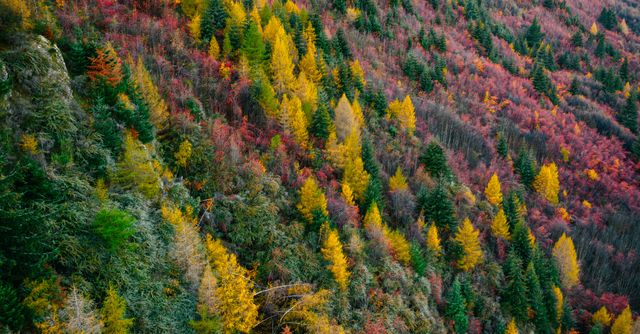
Arrowtown is a beautifully preserved gold-rush settlement that transports visitors back to the 19th century. Its main street features original cottages and heritage buildings, providing a tangible connection to the region's pioneering history.
Access. A short 20-minute drive from Queenstown, easily accessible by car or local shuttle buses.
Notes. The village is particularly popular during autumn when the surrounding trees turn vibrant gold.

Church of the Good Shepherd, Lake Tekapo
Canterbury
W. Bulach / Wikimedia Commons (CC BY-SA 4.0)
Set against the stunning backdrop of the turquoise Lake Tekapo and the Southern Alps, this small stone church is one of the most photographed landmarks in the country. It serves as a peaceful, iconic viewpoint for the surrounding Mackenzie Basin.
Access. Located on the shores of Lake Tekapo, easily accessible by car on the main route between Christchurch and Queenstown.
Notes. Photography inside the church is strictly prohibited.

Hobbiton Movie Set, Matamata
Waikato
David Broad / Wikimedia Commons (CC BY 3.0)
This meticulously preserved film set offers a unique window into the world of Middle-earth, featuring the iconic Hobbit holes and the Green Dragon Inn. It has become a global landmark for cinema fans and travelers seeking a surreal, immersive landscape.
Access. Accessible via guided tours departing from Matamata, Rotorua, or Auckland.
Notes. Advance booking is mandatory as tours sell out weeks in advance.

Larnach Castle, Dunedin
Otago
Antilived / Wikimedia Commons (CC BY-SA 3.0)
As New Zealand's only castle, this historic landmark offers a unique glimpse into the opulent Victorian era. Perched on the Otago Peninsula, it provides both architectural intrigue and sweeping views of the harbor.
Access. Located a short drive from central Dunedin; accessible by rental car or local sightseeing tours.
Notes. Entry fee required for garden and castle interior access.

Milford Sound, Fiordland
Southland
Bob Linsdell / Wikimedia Commons (CC BY 3.0)
Often described as the eighth wonder of the world, this iconic fiord features towering cliffs, cascading waterfalls, and dark, pristine waters. It is New Zealand's most famous natural landmark, offering breathtaking vistas that are best experienced by boat or from the air.
Access. Accessible via coach tours or self-drive from Te Anau or Queenstown, followed by a cruise from the Milford Sound terminal.
Notes. Expect heavy rainfall and sandflies; booking cruises in advance is essential during peak summer months.

Museum of New Zealand Te Papa Tongarewa, Wellington
Wellington
Ulrich Lange, Bochum, Germany / Wikimedia Commons (CC BY 3.0)
As New Zealand's national museum, Te Papa is a world-class institution that blends interactive technology with deep cultural history. It offers an unparalleled look into the nation's Māori heritage, natural environment, and art collections.
Access. Located on the Wellington waterfront, within walking distance of the central business district and major hotels.
Notes. General admission is free, though some special exhibitions may require a paid ticket.

Sky Tower, Auckland
Auckland
Antilived . Re-stitch by Diliff / Wikimedia Commons (CC BY-SA 2.5)
Standing as the tallest man-made structure in New Zealand, the Sky Tower is a defining icon of the Auckland skyline. It offers panoramic views of the city and the Hauraki Gulf, serving as a primary orientation point for travelers.
Access. Located in the heart of Auckland's central business district, easily reached by foot or public transport.
Notes. Observation decks are open daily; weather can impact visibility.

Te Puia / New Zealand Māori Arts and Crafts Institute, Rotorua
Bay of Plenty
Jens Hilligsøe / Wikimedia Commons (CC BY 2.0)
Explore a world-famous geothermal valley featuring the massive Pohutu Geyser, boiling mud pools, and living Māori cultural experiences. Visitors can walk through steaming landscapes and observe traditional carvers and weavers in action.
Access. Located a short drive from central Rotorua, easily reached by rental car or local shuttle buses with onsite ticketing available.
Notes. Guided tours provide deeper cultural context; expect strong sulfur scents and geothermal steam.

That Wanaka Tree, Otago
Otago
DB Thats-Me / Wikimedia Commons (CC BY-SA 3.0)
A graceful, isolated willow tree growing right out of the waters of Lake Wanaka against a backdrop of towering Southern Alps peaks. It has become one of New Zealand's most photographed natural landmarks.
Access. Easily accessible via a short, scenic lakeside walking path from the Wanaka town waterfront.
Notes. Popular at sunrise and sunset; respect the natural environment and shoreline ecosystem.

Tongariro Alpine Crossing, Central Plateau
Waikato
ogwen / Wikimedia Commons (CC BY-SA 3.0)
Often cited as one of the world's best day hikes, this volcanic landscape features emerald lakes, steaming craters, and ancient lava flows. The area is a dual World Heritage site, recognized for both its cultural significance and geological wonders.
Access. Accessible via shuttle services from National Park Village or Turangi, which are essential due to the one-way nature of the track.
Notes. Requires a high level of fitness; weather-dependent and can be closed during winter conditions.

Wai-O-Tapu Thermal Wonderland, Rotorua
Waikato
Krzysztof Golik / Wikimedia Commons (CC BY-SA 4.0)
Wai-O-Tapu is a colorful geothermal sightseeing destination featuring dramatic volcanic craters, steaming fumaroles, and the vibrant Champagne Pool. Visitors explore well-maintained walking tracks winding past surreal mineral terraces and boiling mud pools. It stands out as one of the most visually striking natural attractions in the North Island.
Access. Reached via a 25-minute drive south of Rotorua, easily accessible by car or local tour shuttles. Entry tickets are purchased at the visitor center.
Notes. Sturdy walking shoes are required. The park can get quite busy during peak mid-day hours, so morning visits are recommended.

Waitangi Treaty Grounds, Bay of Islands
Northland
W. Bulach / Wikimedia Commons (CC BY-SA 4.0)
This site is the birthplace of modern New Zealand, where the Treaty of Waitangi was first signed in 1840. It features historic buildings, a world-class museum, and a traditional meeting house, all set against a stunning coastal backdrop.
Access. Located in Paihia, accessible by a short walk or shuttle from the town center.
Notes. Cultural performances and guided tours are included with entry; respectful behavior is expected.

Waitomo Glowworm Caves, Waikato
Waikato
Pseudopanax at English Wikipedia / Wikimedia Commons (Public domain)
Descend into a subterranean wonderland illuminated by thousands of tiny glowworms hanging from the limestone cave ceilings. Visitors embark on guided boat rides through the silent, glittering grottoes.
Access. Accessible by car or coach tour from Hamilton, Rotorua, or Auckland as a popular day trip or regional stop.
Notes. Photography is not permitted inside the glowworm grotto to protect the sensitive organisms.