
Sightseeing in Japan
Japan
Temples, views, and cities with clear visitor access
Famous sites have posted hours, trains, and tickets a traveler can use. You do not need a fixer. The places are the trip; logistics are ordinary.
- Signed, ticketed sites
- Trains to the viewpoint
- Flagship places in one week
The vibe
Wandering streets of aged timber and mossy stone feels like stepping into a living archive where everyday life hums quietly alongside centuries-old preservation. Spring brings a rush of pastel blossoms and shoulder-to-shoulder crowds at major icons, while autumn turns the map in fiery reds with slightly more breathing room. You will share the most famous temple steps with plenty of tour groups, but turning down any random residential alleyway instantly drops you into a peaceful, DIY rhythm.

Himeji Castle, Hyogo
Hyogo Prefecture
Oren Rozen / Wikimedia Commons (CC BY-SA 4.0)
Widely regarded as Japan's most spectacular surviving feudal fortress, Himeji Castle dazzles with its brilliant white exterior and sophisticated defensive architecture. Often called the 'White Heron Castle', it represents the absolute zenith of samurai-era castle design. The character is majestic, imposing, and impeccably preserved.
Access. A straightforward 15-minute walk straight down the main avenue from JR Himeji Station.
Notes. Daily visitor caps may apply during peak holiday seasons; arriving early is strongly advised.

Hiraizumi Historic Temples, Iwate
Iwate Prefecture
Ymblanter / Wikimedia Commons (CC BY-SA 4.0)
A cluster of sacred Buddhist temples and gardens in northern Honshu, epitomizing the Buddhist Pure Land paradise on earth. The crown jewel is Chuson-ji Temple, home to the dazzling Golden Hall adorned in gold leaf and mother-of-pearl.
Access. Accessible via the JR Tohoku Main Line to Hiraizumi Station, followed by local shuttle buses or rental bicycles.
Notes. Photography is strictly prohibited inside the historic Golden Hall.

Historic Monuments of Ancient Kyoto, Kyoto
Kyoto Prefecture
そらみみ (Soramimi) / Wikimedia Commons (CC BY-SA 4.0)
Encompassing seventeen UNESCO World Heritage sites, this region preserves the ultimate pinnacle of Japanese classical architecture, Zen gardens, and historic shrines. Visitors wander through legendary temple complexes like Kinkaku-ji and Kiyomizu-dera to experience timeless cultural heritage. The character is deeply spiritual, highly atmospheric, and intensely rich in traditional aesthetics.
Access. Easily reached via JR Kyoto Station using local buses, subways, or walking to central sites.
Notes. Expect massive crowds during cherry blossom season and autumn foliage peaks. Advance ticket booking is recommended for certain special exhibitions.

Historic Villages of Shirakawa-go, Gifu
Gifu Prefecture
lienyuan lee / Wikimedia Commons (CC BY 3.0)
Nestled in a remote river valley, this UNESCO-listed village is famous for its authentic gassho-zukuri farmhouses featuring steeply pitched thatched roofs designed to withstand heavy snows. The rural landscape looks like a living fairy tale frozen in time. The character is rustic, peaceful, and traditionally architectural.
Access. Reached via highway bus from Takayama, Kanazawa, or Toyama stations.
Notes. Winter illumination events require advance lottery tickets and overnight booking.

Itsukushima Shrine, Miyajima, Hiroshima
Hiroshima Prefecture
KimonBerlin / Wikimedia Commons (CC BY-SA 2.0)
Famous worldwide for its iconic vermilion torii gate that appears to float magically on the high tide, this sacred island shrine is a masterpiece of Shinto architecture. Travelers experience a serene landscape where wild deer roam freely alongside centuries-old sacred structures. The atmosphere is ethereal, picturesque, and profoundly historic.
Access. Take a short 10-minute ferry ride from Miyajimaguchi Pier, which is reachable by train from Hiroshima Station.
Notes. Check the daily tide schedules if you wish to walk out to the base of the grand torii gate during low tide.

Kenroku-en Garden, Ishikawa
Ishikawa Prefecture
Sjaak Kempe from Groningen, The Netherlands / Wikimedia Commons (CC BY 2.0)
Ranked as one of Japan's 'Three Great Gardens', this expansive feudal landscape features ancient pines, serene ponds, meandering streams, and traditional teahouses. The garden changes dramatically across the seasons, from spring blossoms to winter's yukizuri rope umbrellas.
Access. A 15-minute bus ride from Kanazawa Station to the Kenroku-en-shita stop.
Notes. Can be combined easily with a visit to the adjacent Kanazawa Castle Park.
Kumano Kodo Pilgrimage Routes, Wakayama
Wakayama Prefecture
An ancient network of historic pilgrimage trails winding through the dense, misty mountains of the Kii Peninsula. Travelers hike legendary stone-paved paths connecting sacred shrines, hot spring villages, and dramatic forest vistas.
Access. Accessible via express trains from Osaka or Kyoto to Kii-Tanabe Station, then local buses to trailheads.
Notes. Strenuous multi-day hiking routes require proper preparation and booking accommodations in advance.

Mount Fuji 5th Station, Yamanashi/Shizuoka
Yamanashi Prefecture
Tomi Mäkitalo / Wikimedia Commons (CC BY-SA 3.0)
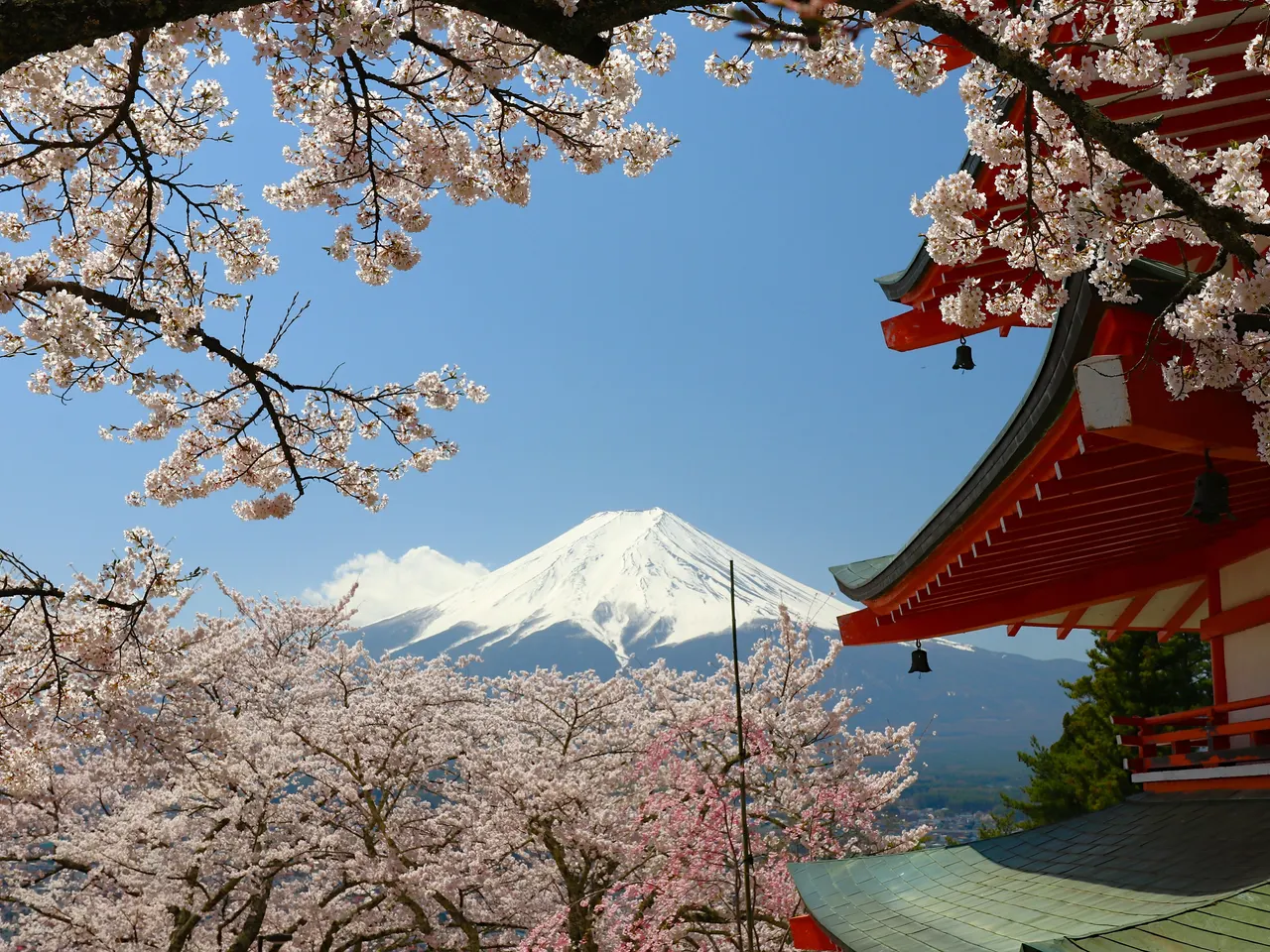
Serving as the most popular gateway for admirers of Japan's sacred mountain peak, this high-altitude viewpoint brings travelers face-to-face with majestic alpine vistas. It provides an accessible vantage point above the cloud line without requiring a full summit climb. The atmosphere is crisp, dramatic, and inspiring.
Access. Accessible via direct highway buses from Shinjuku Station in Tokyo during summer and autumn seasons.
Notes. Weather can change rapidly; temperatures are significantly cooler than in Tokyo, so layering is essential.

Nikko Toshogu Shrine, Tochigi
Tochigi Prefecture
Jean-Pierre Dalbéra from Paris, France / Wikimedia Commons (CC BY 2.0)
An extravagant Shinto shrine complex nestled within the mountains of Nikko, renowned for its intricate wood carvings and vibrant gold leaf decorations. It serves as the final resting place of Tokugawa Ieyasu, the founder of the Tokugawa shogunate.
Access. Reached via the Tobu Spacia train from Asakusa or JR trains from Shinjuku to Nikko Station, then a local bus.
Notes. The complex spans numerous hillside structures; wear comfortable walking shoes.

Osaka Castle, Osaka
Osaka Prefecture
z tanuki / Wikimedia Commons (CC BY 3.0)
One of Japan's most famous landmarks, featuring a majestic multi-tiered castle tower surrounded by stone walls, moats, and expansive plum and cherry orchards. The interior serves as a modern museum detailing the castle's rich samurai history.
Access. A 15-minute walk from Osakajokoen Station on the JR Loop Line.
Notes. Stunning cherry blossoms in spring and vibrant foliage in autumn.

Ritsurin Garden, Kagawa
Kagawa Prefecture
KimonBerlin / Wikimedia Commons (CC BY-SA 2.0)
Widely regarded as one of Japan's finest historical strolling gardens, featuring exquisitely landscaped ponds, artificial hills, and rustic teahouses against the backdrop of Mount Shiun. Visitors enjoy tranquil pathways designed in the traditional Edo-period daimyo style.
Access. A short walk from Ritsurin-koen-kitaguchi Station on the Kotoden Kotohira Line.
Notes. Early morning and late afternoon light offer the best photography and sightseeing conditions.

Takachiho Gorge, Miyazaki
Miyazaki Prefecture
Hiroaki Kaneko / Wikimedia Commons (CC BY-SA 3.0)
A dramatic V-shaped gorge carved by the Gokase River, featuring towering volcanic basalt columns and the stunning Manai Waterfall. Sightseers can rent rowboats to navigate directly beneath the cascade or walk the scenic paved trail along the gorge rim.
Access. Accessible by bus from Nobeoka Station or via rental car from major Kyushu hubs.
Notes. Boat rentals are extremely popular and often sell out early in the day.

Todai-ji Temple, Nara
Nara Prefecture
ccfarmer / Wikimedia Commons (CC BY 3.0)
Housing one of the world's largest bronze statues of Buddha inside one of the world's largest wooden buildings, Todai-ji is a monumental achievement of ancient Japanese Buddhism. Friendly, roaming sika deer wander the expansive park grounds surrounding the temple. The experience is humbling, historic, and grand in scale.
Access. A 20-minute walk through Nara Park from Kintetsu-Nara Station, or slightly further from JR Nara Station.
Notes. Watch out for bowing deer that expect deer crackers sold around the park grounds.

Tokyo Skytree, Tokyo
Sumida
MiNe / Wikimedia Commons (CC BY 2.0)
Standing as a towering landmark over Japan's capital, this ultra-modern broadcast tower offers breathtaking panoramic views across the sprawling metropolis and Mount Fuji on clear days. It is an architectural marvel symbolizing contemporary urban innovation alongside traditional roots. The experience is sleek, dizzying, and awe-inspiring.
Access. Directly accessible via Tokyo Skytree Station on the Tobu Skytree Line or Oshiage Station on subway lines.
Notes. Advance reservation for observation deck tickets helps avoid hours-long queues.