
Sightseeing in France
France
Landmarks and old towns with a public door
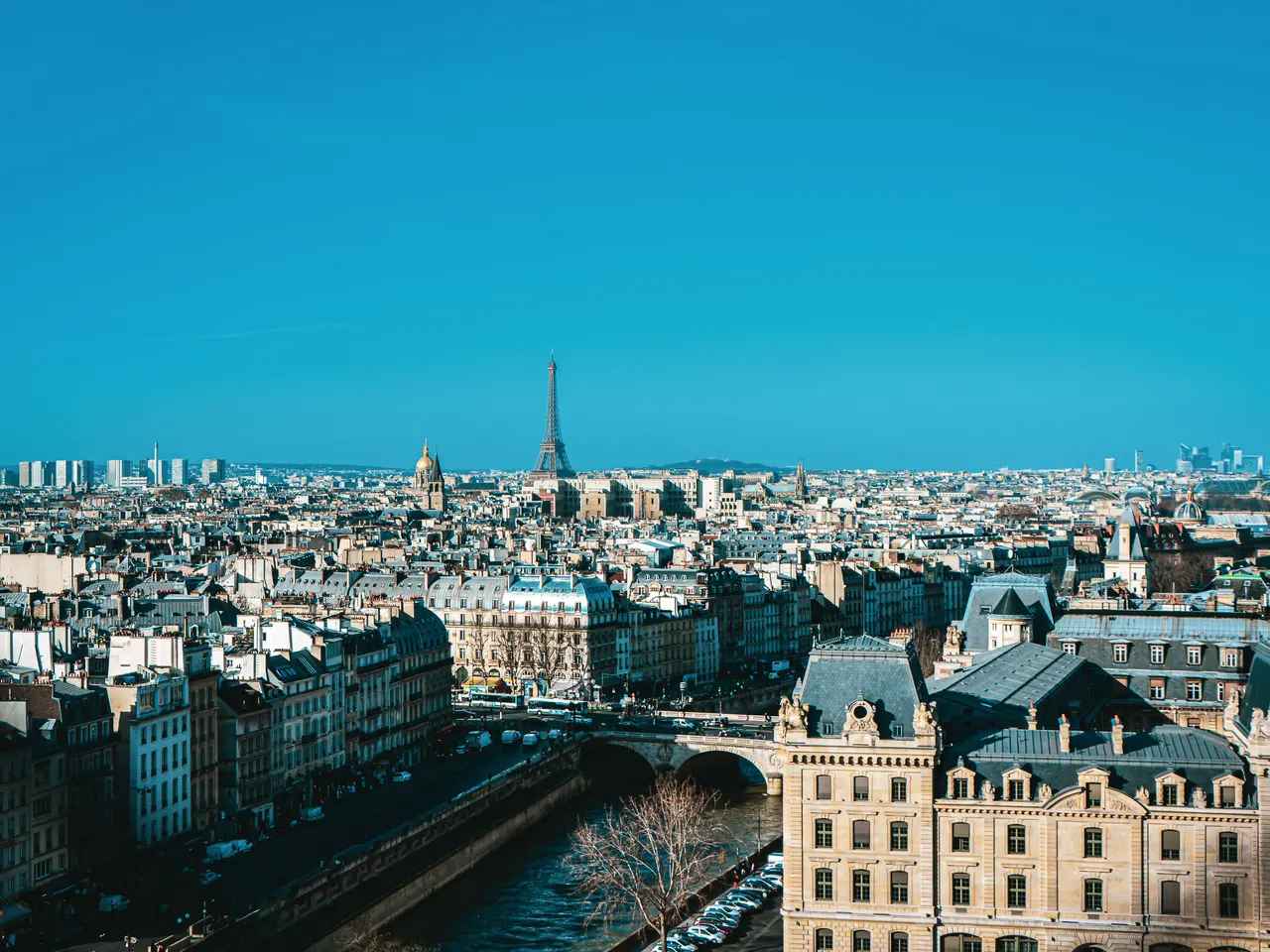
Capital and regional sites sell sightseeing as timed tickets and walkable centres. You get in like a visitor. The flagship places justify the flight.
- Bookable major sites
- Walkable historic centres
- Ordinary ticket logistics
The vibe
Sightseeing here feels like walking through a living museum where the architecture commands your attention at every turn. Spring and autumn offer the most comfortable temperatures for long days of wandering, avoiding the peak heat and the densest crowds. You will find a mix of heavily ticketed, structured heritage sites and the effortless pleasure of simply drifting through historic neighborhoods.

Alfred Faure Station, Crozet Islands
French Southern and Antarctic Lands
franek2 / Wikimedia Commons (CC BY-SA 3.0)
Alfred Faure Station on Possession Island is the solitary research outpost in the rugged Crozet Archipelago. The dramatic topography features sweeping volcanic plateaus, dramatic sea cliffs, and massive colonies of king penguins that draw rare, dedicated expedition travelers.
Access. Visited strictly via infrequent scientific supply ships like the Marion Dufresne operating out of Réunion.
Notes. Landing permits are subject to rigorous environmental regulations by the TAAF administration.

Botanical Garden of Deshaies, Basse-Terre
Guadeloupe
Sam5993 / Wikimedia Commons (CC BY-SA 4.0)
Set on the former estate of comedian Coluche on the lush northwestern coast of Basse-Terre, this acclaimed botanical garden features sprawling tropical flora, cascading waterfalls, and vibrant populations of exotic birds. It is celebrated as one of the finest horticultural sightseeing destinations in the Caribbean.
Access. Located just outside the coastal village of Deshaies, accessible via coastal roads with on-site parking.
Notes. Walking paths involve some slopes and steps; wear comfortable walking shoes.

Cacao Village, Roura
French Guiana
Cayambe / Wikimedia Commons (CC BY-SA 3.0)
Cacao is a unique inland village settled by Hmong refugees in the 1970s, nestled deep within the tropical rainforest along the Comté River. Sightseers visit to experience its vibrant Sunday handicraft market, taste authentic Southeast Asian dishes, and explore the local insect museum.
Access. About a 1.5-hour drive south of Cayenne via the main interior road; rental car or guided day tour recommended.
Notes. The famous village market operates strictly on Sunday mornings.

Cathédrale Notre-Dame de Strasbourg, Alsace
Grand Est
Nick-D / Wikimedia Commons (CC BY-SA 4.0)
A masterpiece of Gothic architecture, this cathedral is famous for its intricate pink sandstone facade and its massive astronomical clock. It serves as the historic anchor of the picturesque Strasbourg city center.
Access. Located in the center of Strasbourg, walkable from the main train station.
Notes. Climbing the platform offers one of the best panoramic viewpoints over the city and the Rhine plain.

Chartres Cathedral, Centre-Val de Loire
Centre-Val de Loire
rene boulay / Wikimedia Commons (CC BY-SA 3.0)
Renowned for its remarkably preserved medieval stained glass and Gothic architecture, this cathedral is a masterpiece of the Middle Ages. It has been a major pilgrimage site for centuries and remains a significant architectural landmark.
Access. Located in Chartres, about an hour by train from Paris Montparnasse station.
Notes. The cathedral is an active place of worship; maintain a respectful demeanor.

Château Murat, Marie-Galante
Guadeloupe
Tjeerd Wiersma / Wikimedia Commons (CC BY 2.0)
The largest former sugar plantation and estate in Guadeloupe, located on Marie-Galante, now operating as a museum of arts and popular traditions. Visitors explore the preserved ruins, boiling house, and windmill while learning about the island's colonial history.
Access. Located near Grand-Bourg on Marie-Galante, easily reached by car or scooter from the ferry port.
Notes. Check opening hours as they can vary during the off-season.

Château de Chambord, Loire Valley
Centre-Val de Loire
Michal Osmenda from Brussels, Belgium / Wikimedia Commons (CC BY 2.0)
The largest and most extravagant castle in the Loire Valley, Chambord is famous for its distinct French Renaissance architecture and iconic double-helix staircase. It stands as a testament to the grandeur of the French monarchy.
Access. Located near Blois; best accessed by car or shuttle bus from the Blois-Chambord train station.
Notes. The surrounding park is massive; consider renting a bicycle to explore the grounds.

Château de Chenonceau, Loire Valley
Centre-Val de Loire
Gzen92 / Wikimedia Commons (CC BY-SA 4.0)
Known as the 'Ladies' Château,' this stunning structure is built directly across the River Cher. It is celebrated for its unique architectural bridge design and beautiful formal gardens.
Access. Best reached by car from Tours or via regional train to the Chenonceaux station.

Cité de Carcassonne, Occitanie
Occitania
Vicki Burton from United Kingdom / Wikimedia Commons (CC BY-SA 2.0)
This fortified medieval city is one of the most impressive examples of a walled town in Europe. With its double ring of ramparts and numerous watchtowers, it offers a complete immersion into the defensive architecture of the Middle Ages.
Access. Located in the city of Carcassonne, accessible by train from Toulouse or Montpellier.
Notes. The inner city is pedestrian-only; it can get very crowded during the peak summer season.

Eiffel Tower, Paris
Île-de-France
Jaroslav Mitiska / Wikimedia Commons (CC BY-SA 3.0)
The quintessential symbol of France, this iron lattice tower offers unparalleled views of the Parisian cityscape. It remains one of the most recognized structures in the world and a mandatory stop for any visitor to the capital.
Access. Located in the 7th arrondissement, accessible by Metro (Bir-Hakeim or Trocadéro stations) or RER C.
Notes. Book tickets well in advance to avoid long queues; summit access is subject to weather conditions.

Fort Cépérou, Cayenne
French Guiana
Cayambe / Wikimedia Commons (CC BY-SA 3.0)
Built in 1643, Fort Cépérou overlooks Cayenne’s harbor and marks the city’s colonial origins. The stone bastion and its small museum showcase the fort’s military history and provide sweeping views of the town and Atlantic.
Access. Walkable from central Cayenne; open daily with a modest entrance fee for the museum.
Notes. The fort can be hot and windy; bring water and sun protection.

Gorges du Verdon, Provence
Provence-Alpes-Côte d'Azur
Rokus Cornelis / Wikimedia Commons (CC BY 3.0)
Known as France's Grand Canyon, this river canyon offers spectacular vistas and turquoise waters. It is a premier destination for travelers seeking dramatic natural scenery and panoramic viewpoints.
Access. Best explored by car from nearby towns like Moustiers-Sainte-Marie or Castellane.
Notes. The roads are winding and narrow; drive with caution.

Guiana Space Centre (Centre Spatial Guyanais), Kourou
French Guiana
mike / Wikimedia Commons (CC BY-SA 2.0)
Europe’s premier space launch facility sits on the Atlantic coast of Kourou, offering spectacular rocket‑launch viewings and guided tours of the launch pads and visitor centre.
Access. Guided tours and launch‑viewing events are booked through the Centre’s visitor centre; day‑trip buses run from Kourou and Cayenne.
Notes. Launch schedules are subject to change; tickets sell out quickly for popular launch dates.

Habitation Clément, Le François
Martinique
Jeremy Gross / Wikimedia Commons (CC BY-SA 3.0)
This historic rum distillery and plantation house is a beautifully preserved site showcasing the island's colonial heritage and agricultural history. The estate features a botanical garden, contemporary art center, and the original rum production facilities.
Access. Accessible by car from the main tourist hubs; guided tours are available on-site.
Notes. Tickets are required for entry; allow several hours to explore the grounds and museum.

Kaw Mountain (Mont Kaw), near Roura
French Guiana
Bernard DUPONT from FRANCE / Wikimedia Commons (CC BY-SA 2.0)
Kaw Mountain rises 337 m above the rainforest, offering a short hike to a panoramic platform with sweeping views of the surrounding jungle and the Maroni River valley.
Access. Accessed via a marked trail from the village of Roura; local guides offer short day‑trip hikes.
Notes. Trail can be slippery after rain; wear sturdy shoes and bring insect repellent.

La Soufrière Volcano, Basse-Terre
Guadeloupe
Yannick Walrave / Wikimedia Commons (CC BY-SA 3.0)
Rising majestically over Basse-Terre island, La Soufrière is an active stratovolcano known as 'Old Lady' by locals. Travelers hike its sulfur-venting slopes to witness dramatic volcanic landscapes and panoramic vistas over the Caribbean Sea.
Access. Accessible via the town of Saint-Claude, leading to the parking area at Les Bains Jaunes where the main hiking trail begins.
Notes. Weather can change rapidly; sturdy hiking boots and rain gear are essential.

Lascaux IV, Dordogne
Nouvelle-Aquitaine
Skull33 / Wikimedia Commons (CC BY-SA 4.0)
A state-of-the-art replica of the original Lascaux cave, featuring incredibly detailed reproductions of Paleolithic cave paintings. It is the premier destination for understanding prehistoric art in Europe.
Access. Located in Montignac; best reached by car from Périgueux or Sarlat.
Notes. Advance booking is essential as entry is strictly controlled by time slots.

Les Saintes Archipelago
Guadeloupe
David Broad / Wikimedia Commons (CC BY 3.0)
A picturesque island group off the southern coast of Basse-Terre, renowned for its pristine bays, charming red-roofed village, and the historic Fort Napoléon perched high above the coast. It is celebrated as one of the most scenic island destinations in the French West Indies.
Access. Reached via regular ferry services from Trois-Rivières or Pointe-à-Pitre to Terre-de-Haut.
Notes. Electric bikes and golf carts are popular for navigating the island hills upon arrival.

Martin-de-Viviès Station, Amsterdam Island
French Southern and Antarctic Lands
Antoine Lamielle / Wikimedia Commons (CC BY-SA 4.0)
Martin-de-Viviès is the only permanent base on Amsterdam Island, nestled beneath dramatic volcanic cliffs rising from the southern Indian Ocean. Visitors fascinated by extreme geography find intrigue in its meteorological station, rich history of isolation, and surrounding endemic wildlife.
Access. Reached exclusively by chartered scientific voyages or specialized polar vessels visiting the French Southern and Antarctic Lands.
Notes. Access is tightly controlled to protect fragile island ecosystems.

Mont Bénara, Grande‑Terre, Mayotte
Mayotte
Erin Prado / Wikimedia Commons (CC BY 4.0)
Mont Bénara, the highest point on Mayotte at 660 m, dominates the island’s interior. From its summit visitors enjoy unrivaled 360° views of the volcanic landscape, mangrove lagoons and distant islands.
Access. A gravel road leads to a parking area near the summit; a short walk on a marked trail reaches the viewpoint. Many visitors drive themselves or join local excursion groups.
Notes. The road can be rough; a 4×4 vehicle is advisable during the rainy season. The viewpoint is popular at sunrise and sunset.

Mont Saint-Michel, Normandy
Normandy
Nikater / Wikimedia Commons (Public domain)
This stunning medieval abbey is perched atop a rocky tidal island, surrounded by vast sandbanks and shifting tides. The narrow, winding streets of the village leading up to the abbey offer a unique glimpse into medieval monastic life.
Access. Accessible by train from Paris to Rennes or Pontorson, followed by a shuttle bus to the island.
Notes. Extremely crowded during summer months; check tide schedules if walking across the bay.

Mont Sainte-Victoire, Provence
Provence-Alpes-Côte d'Azur
Ddeveze / Wikimedia Commons (CC BY-SA 3.0)
A dramatic limestone ridge that dominates the landscape east of Aix-en-Provence, famously immortalized in dozens of paintings by Paul Cézanne. It offers iconic vistas and a rugged, quintessentially Provençal atmosphere.
Access. Accessible by car or regional bus from Aix-en-Provence to the various trailheads.
Notes. The viewpoint is best enjoyed from the road near Le Tholonet or via hiking trails.

Mount Otemanu, Bora Bora
French Polynesia
rachel_thecat / Wikimedia Commons (CC BY-SA 2.0)
Rising dramatically from the center of a turquoise lagoon, Mount Otemanu is the iconic volcanic remnant and visual centerpiece of Bora Bora. Travelers seek out its majestic jagged peak as the ultimate tropical landmark visible from almost every point on the island and its surrounding barrier reefs.
Access. Reached via Bora Bora Airport (BOB) on Vaitape, followed by a resort boat transfer or water taxi. Viewpoint and boat excursions circle the lagoon for optimal sightseeing angles.
Notes. While hiking the sheer vertical rock is strictly for expert climbers, helicopter tours and lagoon boat cruises offer the best sightseeing perspectives.

Mémorial ACTe, Pointe-à-Pitre
Guadeloupe
Gregor Julien Straube / Wikimedia Commons (CC BY-SA 4.0)
A striking architectural masterpiece situated on the seafront of Pointe-à-Pitre, serving as the Caribbean Center of Expression and Memory of the Slave Trade. The museum complex offers deep historical insights into the transatlantic slave trade and Caribbean heritage.
Access. Located in the port area of Pointe-à-Pitre, easily accessible by car or local transit with adjacent parking.
Notes. Allow at least two to three hours for a thorough visit of the extensive permanent exhibitions.

Palais des Papes, Avignon
Provence-Alpes-Côte d'Azur
Michal Osmenda from Brussels, Belgium / Wikimedia Commons (CC BY-SA 2.0)
Once the seat of Western Christianity in the 14th century, this massive Gothic palace is one of the largest and most important medieval buildings in Europe. It dominates the skyline of Avignon and is a site of immense historical significance.
Access. Located in Avignon, accessible by high-speed TGV train from Paris or Marseille.
Notes. Audio guides are provided and highly recommended to navigate the complex history of the site.

Point Venus, Mahina, Tahiti
French Polynesia
David Broad / Wikimedia Commons (CC BY 3.0)
Point Venus is a historically rich peninsula on Tahiti's north coast, famous as the landing site of Captain James Cook, Captain Bligh, and early Christian missionaries. Travelers visit to see the striking black sand beaches, the historic 19th-century lighthouse, and monuments commemorating historic maritime expeditions.
Access. A straightforward 20-minute drive northeast from downtown Papeete on the island of Tahiti.
Notes. The surrounding park is a popular local recreation area, especially lively on weekends.

Pointe des Châteaux, Grande-Terre
Guadeloupe
Gauthier Geoffroy / Wikimedia Commons (CC BY-SA 4.0)
A dramatic peninsular headland at the easternmost tip of Grande-Terre, characterized by rugged limestone cliffs, crashing Atlantic waves, and a large cross standing atop the windy promontory. The panoramic lookout rewards visitors with sweeping ocean views all the way to neighboring islands.
Access. A straightforward drive east from Saint-François, ending at a dedicated parking area with a short walking path to the viewpoint.
Notes. The path is exposed to strong winds and sun; visiting early in the morning is recommended.

Pont du Gard, Occitanie
Occitania
DimiTalen / Wikimedia Commons (CC0)
This ancient Roman aqueduct bridge is a marvel of engineering, spanning the Gardon River with three tiers of stone arches. It is one of the best-preserved Roman structures in the world and offers a scenic, historic landscape.
Access. Best reached by car or regional bus from Nîmes or Avignon.
Notes. The site includes a museum and walking trails along the river; best visited in the morning to avoid heat.

Port-aux-Français, Kerguelen Islands
French Southern and Antarctic Lands
Antoine Lamielle / Wikimedia Commons (CC BY-SA 4.0)
Port-aux-Français serves as the main scientific research station and primary settlement on the desolate Kerguelen Islands. Travelers drawn to remote exploration appreciate the stark, wind-swept landscapes, unique sub-Antarctic wildlife colonies, and the sheer isolation of the archipelago.
Access. Accessible only via specialized research and supply vessels such as the Marion Dufresne II from Réunion Island, requiring months of advance planning and official authorization.
Notes. Strict permits required; tourist access is extremely limited and dependent on scientific expedition schedules.

Royal Island (Île Royale), Salvation Islands
French Guiana
Cayambe / Wikimedia Commons (CC BY-SA 4.0)
The administrative hub of the former penal colony, Royal Island features preserved historic buildings including the warden's house, a small museum, church, and the infamous children's graveyard. It offers sweeping panoramic ocean views and is home to resident population of friendly monkeys and macaws.
Access. Accessible by regular ferry or tourist boat departures from the coastal town of Kourou.
Notes. Day-trippers can stay overnight at the island's former officers' mess converted into a basic lodge.

Ruins of Saint-Pierre, Martinique
Martinique
Riba / Wikimedia Commons (CC BY-SA 3.0)
Once known as the 'Paris of the Caribbean,' Saint-Pierre was devastated by the 1902 eruption of Mount Pelée. Today, visitors can explore the haunting remains of the old theater, prison cells, and stone foundations that serve as a poignant historic monument to the island's past.
Access. Accessible by car or bus from Fort-de-France; the site is walkable and features an interpretation center.
Notes. The site is open-air; wear comfortable shoes for walking through the ruins.

Taha'a Vanilla Plantations and Valleys, Taha'a
French Polynesia
David Broad / Wikimedia Commons (CC BY 3.0)
Known as the 'Vanilla Island,' Taha'a features fragrant inland valleys blanketed by shaded vanilla orchids and traditional agricultural estates. Sightseers tour the lush hillsides to witness traditional curing methods that produce some of the world's finest vanilla.
Access. Most visitors arrive via a short boat excursion from neighboring Raiatea, followed by local island truck tours (tours).
Notes. Many plantations welcome visitors for guided tastings and purchases of authentic vanilla pods.

Taputapuatea Marae, Raiatea
French Polynesia
Sylvain Charlat, Laboratoire de Biométrie et Biologie évolutive, CNRS, Université Lyon 1 / Wikimedia Commons (CC BY-SA 3.0)
Taputapuatea Marae on the island of Raiatea is a sprawling, sacred UNESCO World Heritage archaeological complex considered the spiritual center of the ancient Eastern Polynesia triangle. Visitors explore the massive stone courtyards and altars that once served as the political and religious hub for voyagers across the Pacific.
Access. Accessible via a short flight from Papeete to Uturoa airport on Raiatea, followed by a rental car or guided cultural tour down the coastal highway.
Notes. Please respect the sacred cultural significance of the marae grounds; local guides provide valuable historical context.

Tiputa Pass, Rangiroa
French Polynesia
kajikawa / Wikimedia Commons (CC BY 3.0)
Tiputa Pass is a dramatic oceanic channel connecting Rangiroa's immense lagoon to the open Pacific, renowned worldwide for its surging tidal currents and resident marine wildlife. Sightseers gather along the shoreline and bluffs to watch leaping dolphins and fast-moving tidal waters.
Access. Located in the Tuamotu Archipelago; reached via regular domestic flights to Rangiroa Airport (RGI) and a short transfer.
Notes. Best viewed from the shore near the pass mouth, especially during changing tides.

Transportation Camp (Camp de la Transportation), Saint-Laurent-du-Maroni
French Guiana
Psu973 / Wikimedia Commons (CC BY-SA 3.0)
This sprawling historic architectural complex was the main arrival and sorting hub for convicts sent to French Guiana's penal system. Visitors tour the vast prison blocks, administrative courtyards, and solitary confinement cells that bear witness to a dark colonial past.
Access. Located in the western border town of Saint-Laurent-du-Maroni, about a 3-hour drive from Cayenne along the N1 highway.
Notes. Guided tours are available in French and English; allow at least two hours to properly explore the complex.

Vieux Lyon, Lyon
Auvergne-Rhône-Alpes
jehangreco from st Paul en jarez, france / Wikimedia Commons (CC BY-SA 2.0)
One of Europe's largest Renaissance districts, characterized by narrow cobblestone streets and hidden 'traboules' passageways. This historic quarter is a UNESCO World Heritage site that transports visitors back to the city's silk-weaving past.
Access. Located in the heart of Lyon, accessible by walking or via the Vieux Lyon funicular.