
Sightseeing in Egypt
Egypt
Flagship sites with a visitor gate
The famous monuments are a ticketed tourist product — gates, guides if you want them, days you can plan. Access is the official entrance, not a rumour ruin.
- Ticketed major sites
- Visitor infrastructure
- The places people travel to see
The vibe
Standing before millennia of history feels less like a museum visit and more like a confrontation with the sheer scale of human ambition. The experience shifts from the intense, organized bustle of major heritage sites to the quiet, dusty solitude of wandering through ancient ruins at your own pace. Aim for the cooler months between late autumn and early spring to avoid the oppressive heat that makes mid-day exploration nearly impossible.

Abu Simbel Temples, Aswan Region
Aswan
lienyuan lee / Wikimedia Commons (CC BY 3.0)
Hewn directly into a massive sandstone cliff near Egypt's southern border, the twin temples of Ramses II and Queen Nefertari feature colossal seated statues guarding the entrance. Relocated block-by-block in a monumental UNESCO engineering feat to save them from Lake Nasser, these temples are a triumph of ancient and modern preservation.
Access. Most visitors take a guided overland convoy or domestic flight from Aswan; early morning departures are standard.
Notes. Long travel time from Aswan; expect heavy crowds during the morning arrival window.

Citadel of Qaitbay, Alexandria
Alexandria
Michaelfawzy / Wikimedia Commons (CC BY-SA 4.0)
A 15th-century defensive fortress situated on the Mediterranean coastline of Alexandria, built upon the ruins of the legendary ancient Lighthouse of Alexandria (Pharos). Its rugged stone ramparts and towers offer sweeping sea views and a glimpse into the strategic maritime history of Egypt's northern coast.
Access. Located at the western tip of the Eastern Harbour in Alexandria; accessible by local taxi or tram.
Notes. Sea breezes can be strong; popular with both local families and international travelers.

Dendera Temple Complex, Qena
New Valley
Olaf Tausch / Wikimedia Commons (CC BY 3.0)
Famous for its vibrant, well-preserved ceiling paintings and the famous Dendera zodiac, this temple complex is dedicated to the goddess Hathor. It is a hidden gem for travelers who appreciate intricate ancient artwork and less-crowded archaeological sites.
Access. Typically reached via a day trip from Luxor by private car or guided tour.
Notes. The colors on the ceiling are remarkably vivid; bring a flashlight to see the details in the darker chambers.

Giza Pyramid Complex and Great Sphinx, Giza
Aj Jiza
Ludovic Delot / Wikimedia Commons (CC BY 4.0)
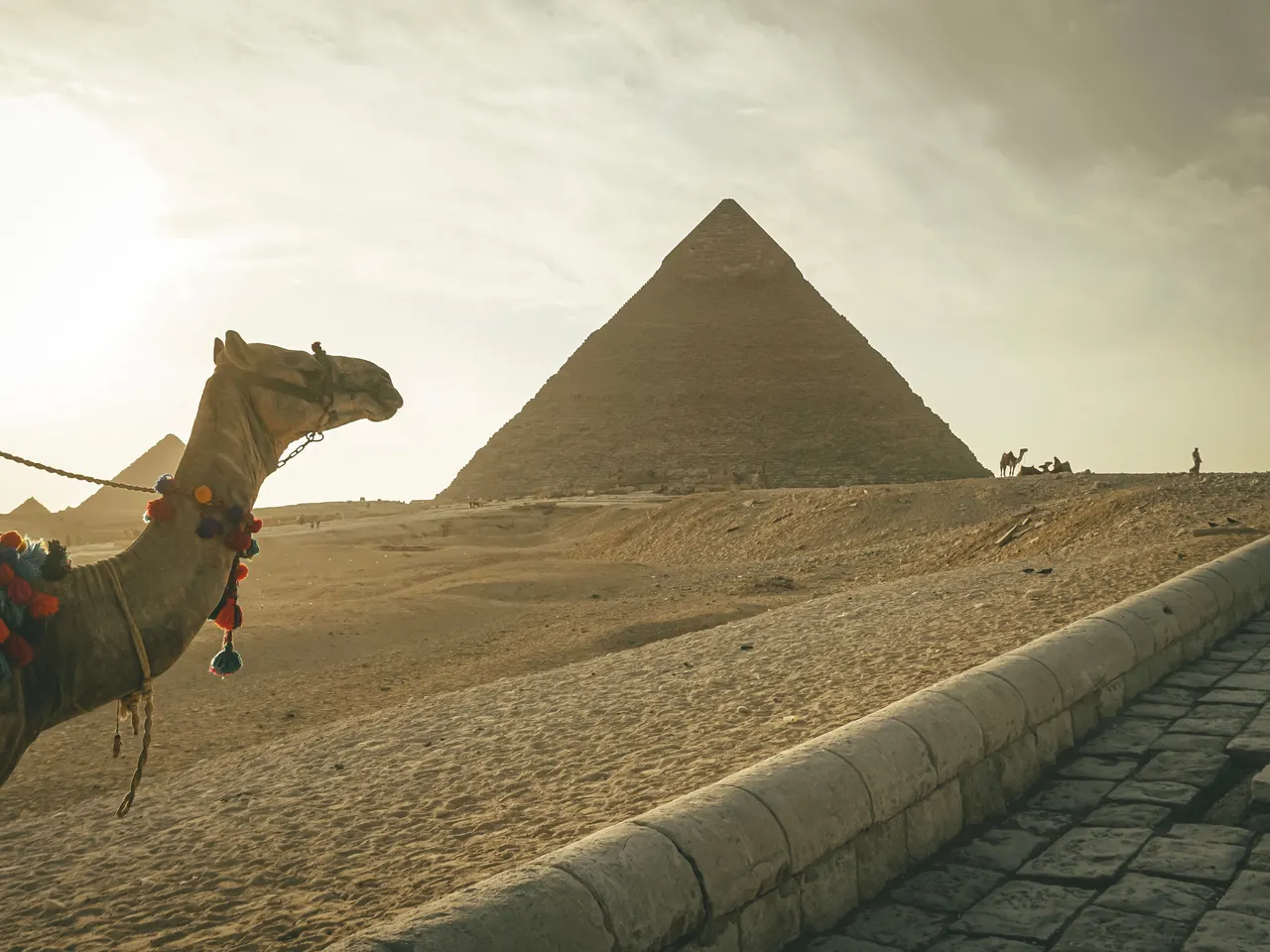
The last remaining Wonder of the Ancient World, the Giza Plateau features the monumental pyramids of Khufu, Khafre, and Menkaure alongside the enigmatic Great Sphinx. This iconic archaeological site on the edge of Cairo represents the pinnacle of ancient Egyptian engineering and monumental architecture.
Access. Easily reached from central Cairo by taxi, private tour, or metro combined with a short ride to the plateau gates.
Notes. Arrive early to beat the desert heat and heavy crowds; tickets must be purchased at the main gate or online.

Karnak Temple Complex, Luxor
Luxor
Marsupium / Wikimedia Commons (CC BY 4.0)
A vast open-air museum and the largest ancient religious site ever built, Karnak is a staggering complex of sanctuaries, kiosks, pylons, and obelisks dedicated to the Theban triad. The awe-inspiring Hypostyle Hall, with its 134 massive stone columns, is one of the world's most breathtaking architectural wonders.
Access. Located within Luxor city proper; accessible via local taxi, carriage, or a short walk from the Nile East Bank corniche.
Notes. Consider staying for the evening Sound and Light show for a dramatic atmospheric experience.

Luxor Temple, Luxor
Luxor
lienyuan lee / Wikimedia Commons (CC BY 3.0)
Situated directly on the banks of the Nile in the heart of modern Luxor, this magnificent ancient complex was dedicated to the rejuvenation of kingship. Lit brilliantly at night, its towering statues, grand avenue of sphinxes, and soaring obelisks create a mesmerizing atmospheric spectacle.
Access. Centrally located in Luxor town; easily accessible on foot from most East Bank hotels.
Notes. Best visited late in the afternoon as sunset transitions into night illumination.

Saint Catherine's Monastery, Sinai Peninsula
South Sinai
Hatem Moushir / Wikimedia Commons (CC BY-SA 4.0)
Nestled at the foot of Mount Sinai in a rugged desert mountain gorge, this active Christian monastery is one of the oldest working monasteries in the world. Enclosed by ancient fortified walls, it guards priceless religious manuscripts, icons, and the traditional site of the biblical Burning Bush.
Access. Reached via long-distance road transport or organized desert excursion from Sharm el-Sheikh or Dahab.
Notes. Strict visiting hours and modest dress codes apply; often combined with a pre-dawn climb up Mount Sinai for sunrise views.

Temple of Horus, Edfu
Aswan
User:MatthiasKabel / Wikimedia Commons (CC BY-SA 3.0)
The Temple of Horus is one of the best-preserved ancient cult temples in Egypt, featuring massive pylons and a remarkably intact inner sanctuary. It stands as a testament to Ptolemaic architecture and remains a central point of interest for those traveling between Luxor and Aswan.
Access. Commonly visited as a stop on Nile cruise itineraries or via private car hire from Luxor or Aswan.
Notes. The site is well-maintained and provides excellent opportunities for photography of ancient inscriptions.

Temple of Kom Ombo, Aswan Region
Aswan
Ad Meskens / Wikimedia Commons (CC BY-SA 3.0)
Uniquely symmetrical and perched dramatically on a bluff overlooking a bend in the Nile River, this dual temple was dedicated to two deities: Horus the Elder and Sobek the crocodile god. The site includes fascinating ancient medical reliefs and a nearby crocodile museum displaying mummified Nile crocodiles.
Access. Typically visited as a stop along Nile river cruises between Luxor and Aswan, or via a day trip taxi from Aswan.
Notes. Particularly atmospheric when illuminated at dusk during cruise ship stops.

Temple of Philae, Aswan
Aswan
lienyuan lee / Wikimedia Commons (CC BY 3.0)
Located on Agilkia Island, this stunning temple complex dedicated to the goddess Isis was meticulously relocated stone-by-stone to save it from the rising waters of the Nile. Its graceful columns and serene island setting make it one of the most picturesque temple sites in the country.
Access. Accessible only by a short boat ride from the Philae boat landing near Aswan.
Notes. The evening Sound and Light show is a popular tourist activity.