
Remote work in Thailand
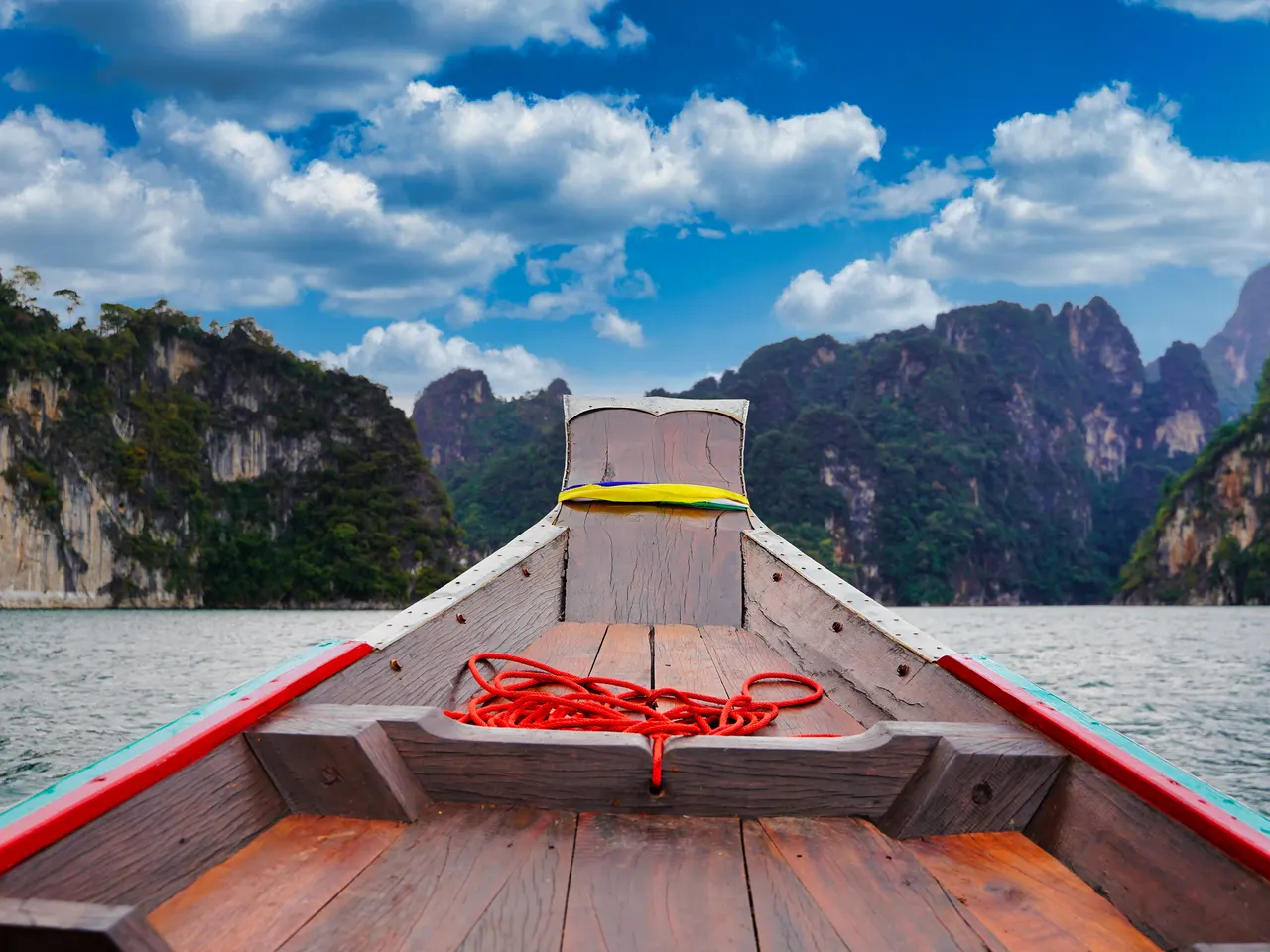
Thailand
City and island desks a remote worker can use
Known hubs mix coworking, cafes, and long-stay rooms. Connectivity is why people stay put. A pretty beach with dead wifi does not count; these towns are built for working visitors.
- Coworking and cafe work
- Stays measured in weeks
- Connectivity you can actually use
The vibe
Working remotely in Thailand feels like swapping a sterile office for a coffee‑shop terrace where the hum of scooters is the background soundtrack. The cool dry months provide comfortable air conditioning and reliable Wi‑Fi, whereas the monsoon can bring occasional power cuts. Coworking hubs are bustling with digital nomads, while quieter cafés let you blend in with locals.

Ao Nang, Krabi
Krabi Province
kallerna / Wikimedia Commons (CC BY-SA 3.0)
Ao Nang serves as Krabi's primary coastal hub, featuring beachside cafes with strong Wi-Fi and a growing number of collaborative work spaces. It suits remote workers seeking dramatic limestone karst views alongside reliable infrastructure.
Access. A 30-minute drive from Krabi International Airport; highly walkable along the main beachfront strip with local songthaews for regional transit.
Notes. Can feel quite tourist-heavy and commercialized during the peak dry season from November to April.

Phuket Town, Phuket
Phuket Province
CEphoto, Uwe Aranas / Wikimedia Commons (CC BY-SA 4.0)
Phuket Town provides a historic Sino-Portuguese architectural backdrop combined with modern coworking hubs and reliable high-speed internet. It suits remote workers who want to escape the crowded beach resort strips while staying connected in a culturally rich urban center.
Access. Located centrally on Phuket island, roughly 45 minutes from Phuket International Airport; easily explored via local smart buses or rented transport.
Notes. Less of a beach scene compared to the coast, requiring a 20-30 minute drive if you want to swim after work.

Sukhumvit, Bangkok
Bangkok
Gonzo Gooner / Wikimedia Commons (CC BY 3.0)
Sukhumvit is Bangkok's primary cosmopolitan spine, packed with international cafes, premium coworking brands, and robust digital infrastructure. It suits remote workers who desire endless dining options, networking events, and seamless transit.
Access. Served continuously by the BTS Sukhumvit Line, making cross-city movement simple for residents staying in condos or serviced apartments.
Notes. Traffic along Sukhumvit Road is notoriously heavy, though the Skytrain mitigates most commuting friction.

Suthep, Chiang Mai
Chiang Mai Province
Hannes wilms / Wikimedia Commons (CC BY-SA 4.0)
Situated just west of the Old City toward the mountain foothills, Suthep features a quieter, student-and-nomad-friendly neighborhood filled with spacious work cafes. It suits remote workers looking for a slightly greener, more relaxed base than the city center.
Access. Easily accessed from Chiang Mai University area via motorbike or rideshare apps; popular for medium-term condo rentals.
Notes. Subject to the same seasonal smoke issues as the rest of Chiang Mai during early spring.

Thong Sala, Koh Phangan
Surat Thani Province
Christophe95 / Wikimedia Commons (CC BY-SA 4.0)
Thong Sala acts as the administrative and remote-work heartbeat of Koh Phangan, featuring multiple professional coworking spaces and reliable fiber-optic internet. It suits digital nomads looking to balance island life with productive work sessions and an active community.
Access. Accessible via ferry from Surat Thani or Samui; most nomads rent a scooter to navigate between Thong Sala and nearby beaches for stays ranging from a few weeks to several months.
Notes. Internet can occasionally fluctuate during major tropical storms, and peak full-moon party weeks bring heavy tourist influxes.