
Remote work in Portugal
Portugal
Stay put — desks, cafes, and a visa-friendly hub
Coast and city hubs are built for remote weeks: coworking, laptop cafes, long-stay lodging, and connectivity a visitor can use. You are not relying on one pretty beach cafe. The scene is for staying.
- Coworking and cafes
- Lodging for weeks
- A known remote-work hub
The vibe
Setting up a temporary office here means working from sunlit apartment balconies, plant-filled courtyard cafes, and breezy coastal co-working hubs with reliable connectivity. Spring and autumn offer the most comfortable climate for balancing productivity with afternoon strolls, avoiding the intense heat of peak summer. The nomad infrastructure is well-established and welcoming, making it straightforward to settle into a comfortable daily routine without friction.

Baixa & Chiado, Lisbon
Lisbon
IngolfBLN / Wikimedia Commons (CC BY-SA 2.0)
Lisbon's central historic quarters offer an unmatched ecosystem for remote workers, blending high-speed fiber internet with a massive density of coworking spaces and laptop-friendly cafes. The vibrant digital-nomad community enjoys a mild climate, excellent public transport, and endless networking opportunities. It suits professionals seeking a bustling European capital with rich culture and robust tech infrastructure.
Access. Easily accessible via Lisbon's Humberto Delgado Airport, with an integrated metro network connecting the central neighborhoods. Most remote workers stay for several weeks to a few months in rented apartments or coliving spaces.
Notes. Peak tourist season in summer brings crowds and higher accommodation prices. Time-zone is GMT/UTC+0 (WEST in summer), ideal for overlapping with European and American markets.

Baixa de Coimbra, Central Portugal
Coimbra
Anicius Olybrius / Wikimedia Commons (CC BY-SA 2.0)
As Portugal's historic university city, Coimbra infuses its lower town with youthful energy, affordable living, and reliable digital connectivity. The area features university-backed incubator spaces, study-friendly cafes, and a rich intellectual atmosphere. It suits remote workers looking for a budget-friendly, culturally rich inland hub away from the coastal crowds.
Access. Situated centrally on the main railway line between Lisbon and Porto, roughly 1.5 to 2 hours by train. Easily navigated on foot or via local buses.
Notes. Hilly terrain leading up to the historic university campus; quieter during university holiday periods.

Cedofeita & Ribeira, Porto
Porto
JCNazza / Wikimedia Commons (CC BY 3.0)
Porto's art district and historic riverside combine creative energy with a rapidly growing remote-work infrastructure. The area boasts numerous modern coworking spaces, specialty coffee shops with reliable Wi-Fi, and a thriving community of entrepreneurs. It suits remote professionals looking for a slightly more relaxed, artsy alternative to Lisbon without sacrificing urban conveniences.
Access. Served by Porto Francisco Sá Carneiro Airport and connected by an efficient metro and tram system. Typical stays range from a month to an entire season.
Notes. Hilly terrain requires walking up and down steep streets; winters can be rainy and cool.

Ericeira Village, Lisbon Region
Lisbon
Francisco Antunes / Wikimedia Commons (CC BY 2.0)
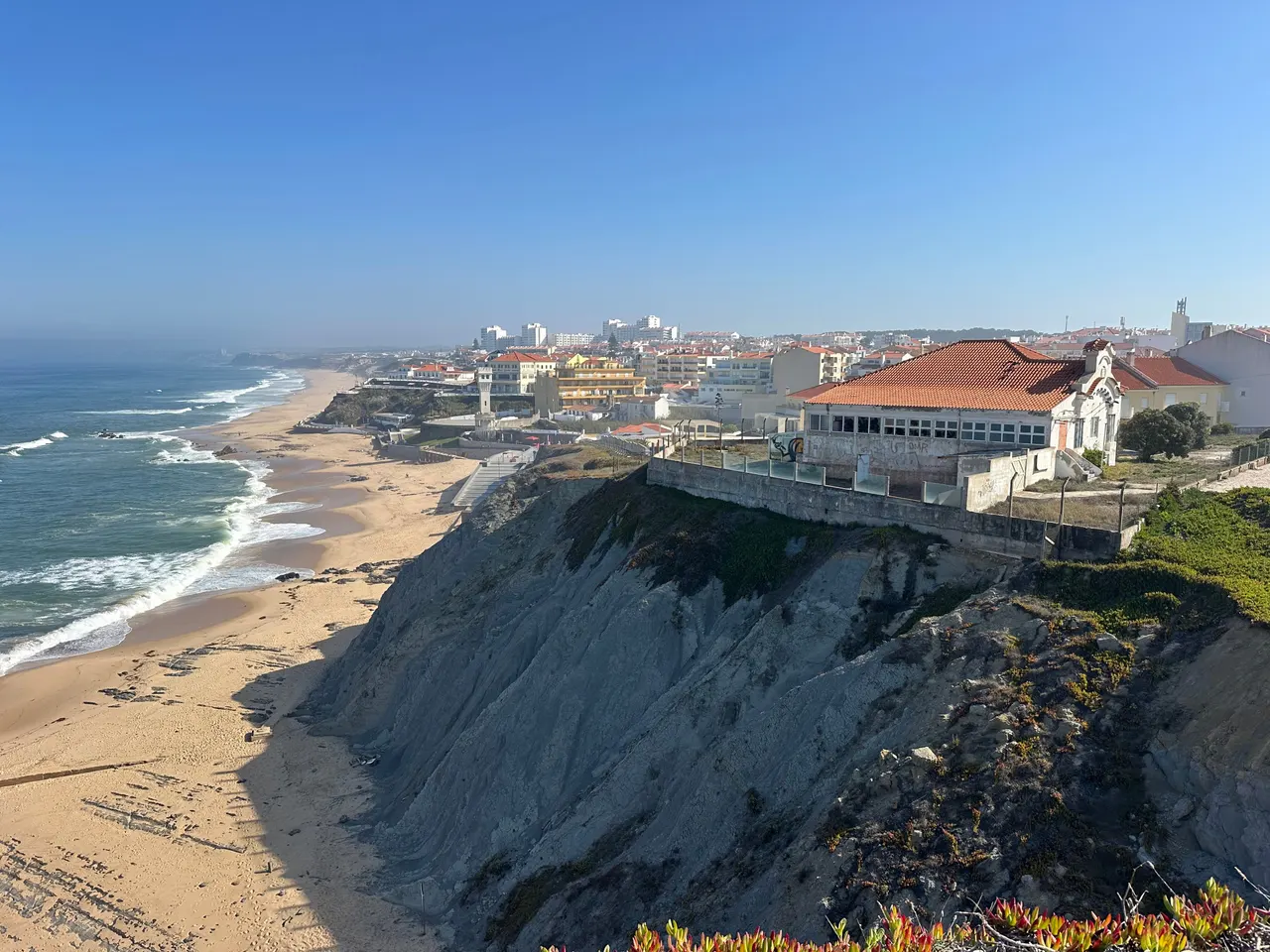
Recognized as a world surfing reserve, Ericeira has transformed into a premier surf-and-work hub for location-independent professionals. The village features specialized coworking spaces overlooking the Atlantic, strong community events, and a laid-back coastal lifestyle. It suits remote workers who want to balance intense coding or writing sprints with afternoon surf sessions.
Access. Located about 40 minutes north of Lisbon by car or direct express bus from Campo Grande terminal. Most visitors base themselves in the village center or close to Praia dos Pescadores for stays of several weeks.
Notes. Summer brings a surge of tourists and surfers, making accommodation competitive and pricier.

Funchal, Madeira
Madeira
Unukorno / Wikimedia Commons (CC BY 3.0)
Madeira's capital gained global fame through its pioneering Digital Nomad Village initiative, offering organized community events, dedicated workspaces, and reliable high-speed fiber internet. Funchal provides a unique island-city hybrid environment with subtropical weather and dramatic mountain backdrops. It suits remote workers looking for a structured island community with year-round outdoor lifestyle appeal.
Access. Fly into Cristiano Ronaldo Madeira International Airport and take an aero bus or taxi into Funchal. Long-term rentals and coliving bases are concentrated around the old town and Lido areas.
Notes. Rental car is recommended to fully explore the island outside of work hours; accommodation demand peaks in winter and summer.

Lagos, Algarve
Faro
Steven Fruitsmaak / Wikimedia Commons (CC BY-SA 4.0)
Lagos offers a compelling blend of dramatic golden cliffs, historic charm, and a burgeoning shoulder-season remote-work community in the Algarve. The town features dedicated coworking spots, vibrant social hostels, and cafes equipped for laptops. It suits remote workers seeking a coastal base with plenty of outdoor activities and sunshine.
Access. Accessible via Faro Airport followed by a regional train or bus ride. Most remote workers base themselves within the walled old town or near Marina de Lagos.
Notes. Extremely busy during July and August with holidaymakers; many remote workers prefer spring and autumn when the weather is ideal and crowds thin.