
Remote work in Mexico
Mexico
City and coast hubs with coworking
Named remote-work towns have desks, cafes, and month-long rooms. You can work. The hub is a neighbourhood, not one cafe with a password on the wall.
- Coworking and cafes
- Long-stay lodging
- A scene for staying put
The vibe
Setting up your laptop in leafy courtyard cafes feels seamless and vibrant, supported by reliable Wi-Fi and a massive community of traveling professionals. It works well year-round, provided you can handle the intense humidity of the warmer coastal months. The nomad scene is well-established and easy to navigate, blending smoothly into everyday neighborhood routines without feeling like an isolated bubble.

Aldea Zama & Town Center, Tulum
Quintana Roo
Dennis Sylvester Hurd / Wikimedia Commons (CC BY 2.0)
Tulum's Aldea Zama and the town center serve as the primary jungle-chic base for remote workers balancing eco-conscious living with reliable internet connectivity. It suits digital nomads and wellness-focused professionals looking for a tropical workstation close to Mayan ruins and the Caribbean coast.
Access. Fly into Cancun International Airport (CUN) and take an ADO bus or shuttle south to Tulum; bikes and scooters are the primary local transport.
Notes. Sargassum seaweed can impact beach areas seasonally; internet infrastructure can occasionally be disrupted by tropical storms.

Centro & Gonzalo Guerrero, Playa del Carmen
Quintana Roo
MarcelTaubert / Wikimedia Commons (CC BY-SA 4.0)
Playa del Carmen's central neighborhoods combine Caribbean beach proximity with robust remote-work infrastructure, featuring multiple professional coworking spaces and fiber-equipped cafes. It suits beach lovers who need reliable connectivity and a ready-made digital nomad social scene.
Access. Fly into Cancun International Airport (CUN) and take a direct 45-minute bus or transfer down highway 307; the downtown grid is completely walkable.
Notes. Very busy during North American winter and spring break seasons.

Centro Histórico & Jalatlaco, Oaxaca
Oaxaca
Eddann123 / Wikimedia Commons (CC BY-SA 3.0)
Oaxaca’s Centro Histórico and neighboring Jalatlaco offer a vibrant colonial backdrop for remote workers who prioritize boutique cafes, artisan community, and high-speed fiber internet. It suits creative professionals and slow-travel nomads seeking inspiration and an incredible culinary scene.
Access. Fly into Oaxaca International Airport (OAX); the historic center is highly walkable and easily navigated on foot.
Notes. Peak tourist season during Guelaguetza (July) and Day of the Dead (November) brings crowds and higher accommodation prices.

Centro, San Miguel de Allende
Guanajuato
Omarem / Wikimedia Commons (CC BY-SA 3.0)
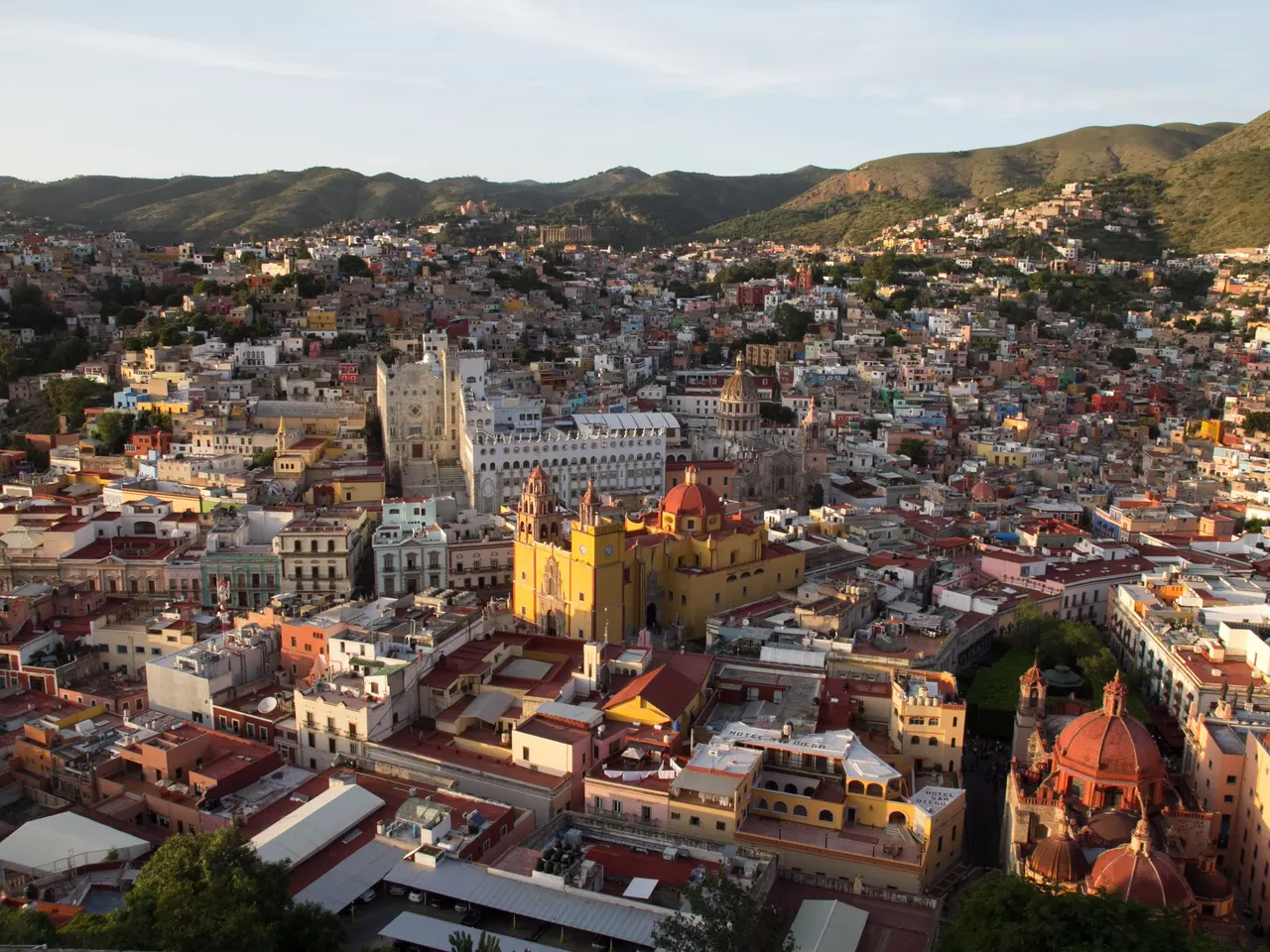
San Miguel de Allende's historic center provides an inspiring colonial backdrop for remote workers and writers seeking boutique cafes, art galleries, and peaceful courtyard workspaces. It suits mature remote workers and long-stay travelers looking for refined culture and a temperate climate.
Access. Fly into Queretaro (QRO) or Leon (BJX) airports and take a private shuttle or bus into town; the historic center is compact and walkable.
Notes. Hilly terrain and cobblestone streets can make walking challenging in certain sections.

Colonia Americana, Guadalajara
Jalisco
yesid ferney patiño … / Wikimedia Commons (CC BY 3.0)
Colonia Americana is Guadalajara's cultural heart and a thriving hub for tech-minded remote workers, featuring converted architectural gems, independent cafes, and modern coworking spaces. It suits travelers looking for an authentic Mexican metropolis with a strong startup and digital nomad community.
Access. Fly into Guadalajara International Airport (GDL); the neighborhood is centrally located and easily explored on foot or via bicycle lanes.
Notes. Pleasant climate year-round, though summer brings afternoon rain showers.

Roma Norte & Condesa, Mexico City
Mexico City
Photo: Soman / Wikimedia Commons (Public domain)
Roma Norte and Condesa form Mexico City's premier remote-work hub, packed with leafy plazas, high-speed fiber-optic cafes, and a dense network of international coworking spaces. It suits digital nomads looking for a vibrant urban lifestyle with incredible culinary and cultural scenes.
Access. Easily accessible via Metro lines or Metrobús from across the city; most remote workers stay for months in apartments throughout these walkable neighborhoods.
Notes. Altitude can take a few days to adjust to; rainy season peaks in summer months.

Romantic Zone (Zona Romántica), Puerto Vallarta
Jalisco
Another Believer / Wikimedia Commons (CC BY-SA 4.0)
The Zona Romántica in Puerto Vallarta is a vibrant beachfront neighborhood offering excellent remote-work infrastructure, modern coworking spots, and countless laptop-friendly cafes. It suits digital nomads wanting a mix of Pacific coast beach life and lively urban amenities.
Access. Fly into Licenciado Gustavo Díaz Ordaz International Airport (PVR); the Zona Romántica is walkable and easily accessed by local transit or rideshares.
Notes. Very hot and humid during the rainy summer months (July through September).

San Francisco (San Pancho), Nayarit
Nayarit
Luisalvaz / Wikimedia Commons (CC0)
San Pancho is a bohemian surf village on the Riviera Nayarit that attracts remote workers seeking a slower-paced, community-oriented beach base with reliable fiber internet and boutique work cafes. It suits digital nomads and creatives prioritizing nature and wellness over big-city hustle.
Access. Fly into Puerto Vallarta (PVR) and take a northbound taxi, bus, or rental car up the coast for about an hour.
Notes. Smaller village infrastructure means fewer large-scale coworking spaces, relying instead on specialized cafes and local hubs.

San Pedro Garza García, Monterrey
Nuevo León
Agenciainformativa / Wikimedia Commons (CC BY-SA 4.0)
San Pedro Garza García is Monterrey's premier economic and financial district, boasting ultra-modern office towers, high-end coworking spaces, and lightning-fast connectivity. It suits corporate remote workers, tech professionals, and entrepreneurs seeking a polished, first-world urban environment.
Access. Fly into Monterrey International Airport (MTY) and take a rideshare or taxi directly into San Pedro; local transit relies primarily on rideshares and cars.
Notes. Can be significantly more expensive than other Mexican remote-work destinations.