
Remote work in Colombia
Colombia
City quarters with desks and a stay-put scene
Known hubs have coworking, cafes, and neighbourhoods travelers use for weeks. Connectivity is urban-normal. You can work without a single-cafe gamble.
- Coworking density
- Weeks, not a weekend
- A remote-work identity
The vibe
Working remotely here is increasingly popular, characterized by a steady stream of digital nomads settling into high-altitude cities that offer a perfect climate for productivity. The infrastructure is reliable enough for a month-long stay, and the social scene is vibrant enough that you will never feel isolated. It feels like a collaborative, DIY experience where you are constantly crossing paths with others balancing their laptops with weekend explorations.

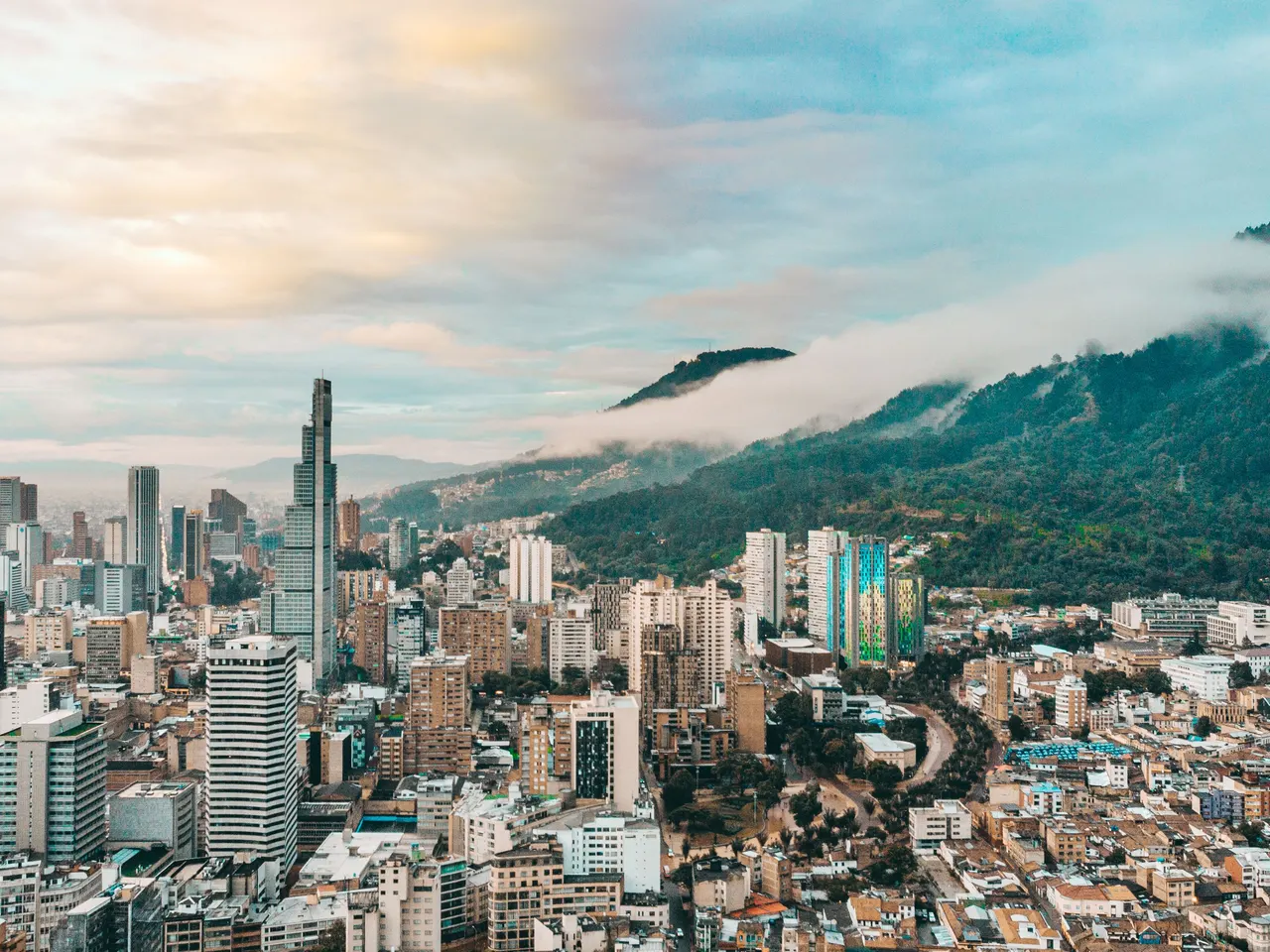
Chapinero, Bogotá
Bogotá, Distrito Capital
Melissamarzo / Wikimedia Commons (CC BY 4.0)
Chapinero is the intellectual and creative heart of Bogotá, hosting a sophisticated network of coworking hubs and laptop-friendly cafes catering to the city's tech-forward crowd. It is perfect for professionals who thrive in a bustling, high-altitude metropolis with world-class dining and cultural amenities.
Access. Central location with easy access to the TransMilenio bus system; ideal for mid-to-long-term stays.
Notes. Bogotá is at high altitude; connectivity is generally excellent, but traffic can be intense.

El Poblado, Medellín
Antioquia
Lucas Gentili / Wikimedia Commons (CC BY-SA 3.0)
The epicenter of Colombia's digital nomad scene, El Poblado offers a dense concentration of high-end coworking spaces, fiber-optic connectivity, and a social atmosphere tailored to international remote workers. It is ideal for those seeking a fast-paced urban environment with a vibrant nightlife and a well-established community of expats.
Access. Accessible via Medellín's Metro system; most nomads stay in short-term rentals or coliving apartments for 1–3 months.
Notes. High demand during peak season; noise levels can be high in the central nightlife zones.

Getsemaní, Cartagena
Bolívar
Bernard Gagnon / Wikimedia Commons (CC BY-SA 4.0)
Getsemaní has evolved from a historic quarter into a creative hub for remote workers, blending colonial charm with modern coworking infrastructure and a strong artistic community. It is best for those who want to work in a visually inspiring, historic setting while remaining close to the Caribbean coast.
Access. Highly walkable; most visitors stay in boutique hostels or apartments within the walled city vicinity.
Notes. Very humid climate; can be crowded with tourists during the high season.

Palomino, La Guajira
La Guajira
Uhkabu / Wikimedia Commons (CC BY-SA 3.0)
Palomino has evolved from a sleepy village into a popular base for remote workers who prioritize a 'surf-and-work' lifestyle in a tropical setting. While connectivity can be variable, the rise of dedicated eco-hostels with high-speed Starlink and coworking zones has made it a viable destination for those seeking a beach-town vibe.
Access. Accessible by bus or private shuttle from Santa Marta; most visitors stay in eco-lodges or boutique hostels located along the main road leading to the beach.
Notes. Connectivity is improving but can be inconsistent; it is best suited for those who can handle occasional outages and prefer a rustic, nature-focused environment.

Pereira, Coffee Axis
Risaralda
SajoR / Wikimedia Commons (CC BY-SA 4.0)
As the urban heart of the Coffee Axis, Pereira offers a modern, mid-sized city environment with high-speed fiber connectivity and a growing network of professional coworking spaces. It is ideal for remote workers seeking a balance between urban amenities and proximity to the lush, mountainous landscapes of the Eje Cafetero.
Access. Accessible via Matecaña International Airport; the city is highly walkable with extensive public transit, and stays typically range from two weeks to several months.
Notes. The city experiences a temperate climate year-round, though it can be humid; peak travel seasons coincide with local coffee harvest festivals.

San Antonio, Cali
Valle del Cauca
Sahaquiel9102 / Wikimedia Commons (CC BY-SA 4.0)
San Antonio is the historic and bohemian soul of Cali, characterized by colonial architecture, tree-lined streets, and a dense concentration of creative cafes and boutique coworking spaces. It provides a vibrant, artistic atmosphere perfect for remote workers who value a strong sense of community and a slower, more intentional pace of life.
Access. Located in the center of Cali; the neighborhood is highly pedestrian-friendly, with most remote work hubs reachable on foot from local apartments and guesthouses.
Notes. Cali is known for its intense heat and salsa culture; ensure your accommodation has reliable air conditioning, as it is essential for comfort during the workday.

Taganga, Santa Marta
Magdalena
Jorge Láscar from Australia / Wikimedia Commons (CC BY 2.0)
While traditionally a fishing village, Taganga has become a niche base for digital nomads seeking a 'surf-and-work' lifestyle near the Tayrona National Park. It attracts a younger, adventurous crowd looking for a rustic, beach-adjacent environment with reliable enough internet for remote tasks.
Access. Accessible by taxi or bus from Santa Marta; best for those staying 2–4 weeks.
Notes. Connectivity is less stable than in major cities; best for those who need a break from urban life.