
Nightlife in United States
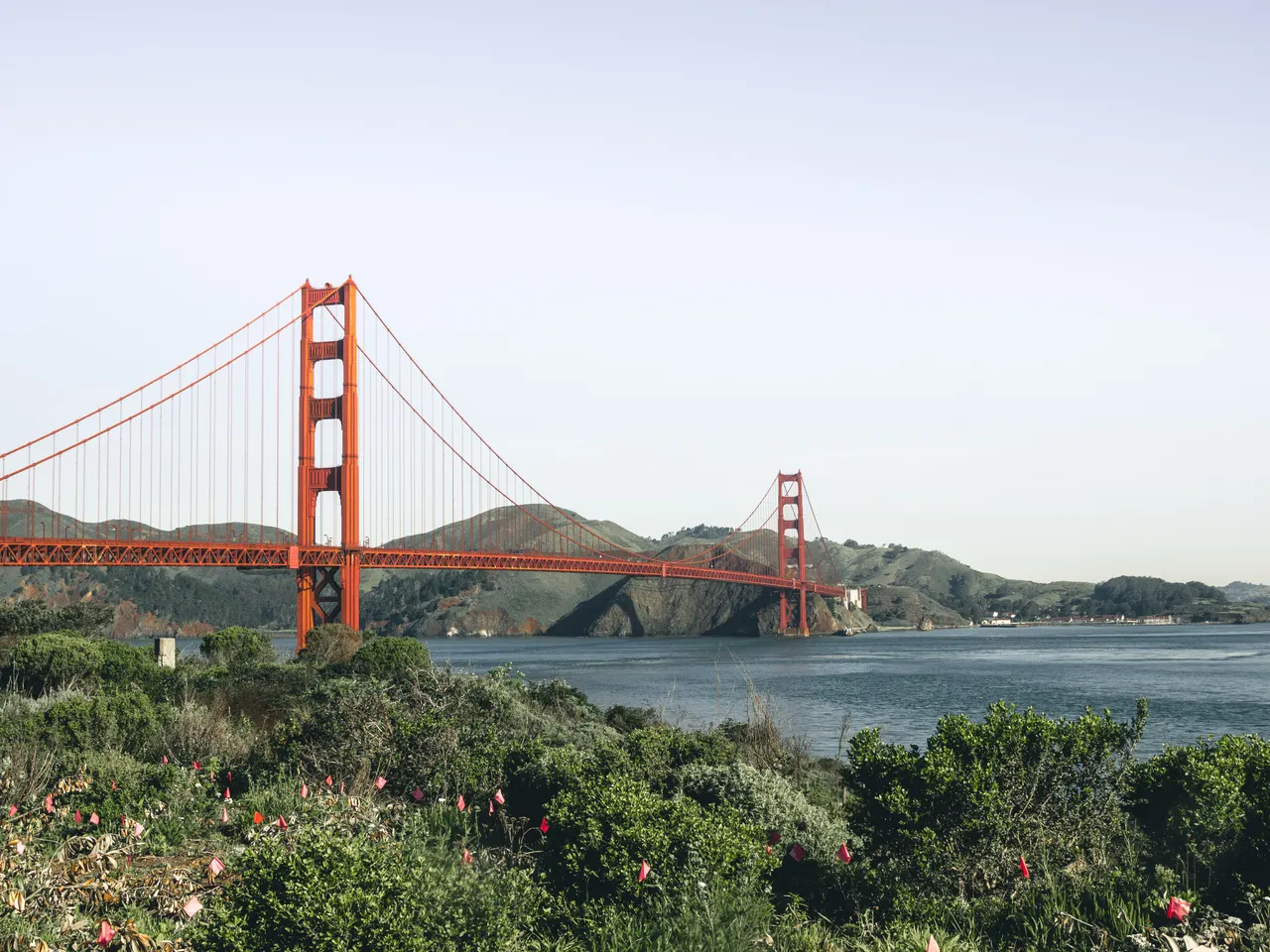
United States
Bar streets and club blocks built for a night out
Big-city and party-town strips are findable and walk-in. Ride-hail and transit are how visitors get home. The scene is the neighbourhood, not one door.
- Public nightlife strips
- Walk-in bars and clubs
- Straightforward getting home
The vibe
Nights stretch out differently depending on whether you are in a neon-lit downtown megaclub or a dimly lit neighborhood dive hosting touring indie bands. The major entertainment districts draw thick weekend crowds chasing velvet ropes, but the real local pulse often beats in unassuming rooms with cheap beer and sticky floors. You mostly roll in without a fuss, though popular door policies can occasionally test your patience.

Beale Street, Memphis
Tennessee
Jeremy Atherton / Wikimedia Commons (CC BY-SA 2.5)
A historic three-block stretch rich in blues heritage, where legendary musicians once shaped American music. Today, the vibrant corridor is packed with energetic blues clubs, BBQ joints, and open-container revelers enjoying nightly live performances.
Access. Located in downtown Memphis near the riverfront, easily reachable via trolley or rideshare.
Notes. Police checkpoints regulate street access during peak weekend hours for safety.

Deep Ellum, Dallas
Texas
Carol M. Highsmith / Wikimedia Commons (Public domain)
Dallas's historic arts and entertainment district has deep roots in jazz and blues. Today, it stands as the city's premier nightlife quarter, filled with alternative music venues, craft cocktail dens, sprawling beer gardens, and vibrant street murals.
Access. Located just east of downtown Dallas, accessible via the DART light rail Deep Ellum station.
Notes. Can get rowdy late at night; parking can be challenging during major concert events.

French Quarter, New Orleans
Louisiana
Larry Syverson / Wikimedia Commons (CC BY-SA 2.0)
Famed for its historic architecture, round-the-clock open-container policies, and legendary music corridors, this district is a sensory explosion. Bourbon Street offers neon lights and high-energy party bars, while Frenchmen Street provides an authentic, live brass-and-jazz haven.
Access. Centrally located in New Orleans, easily accessible on foot or via historic streetcars from downtown hotels.
Notes. Can get extremely crowded during weekends and major festivals like Mardi Gras. Exercise standard urban caution late at night.

Gaslamp Quarter, San Diego
California
Gary J. Wood from Toronto, ON, Canada / Wikimedia Commons (CC BY-SA 2.0)
A 16-block Victorian historic district packed with more than a hundred restaurants, rooftop bars, comedy clubs, and high-energy nightclubs. Its walkable streets offer a polished, diverse nightlife scene under distinctive glowing streetlamps.
Access. Located in downtown San Diego, directly accessible via the San Diego Trolley or short walks from the convention center.
Notes. Popular destination for weekend celebrations; dress codes apply to upscale venues.

Historic Sixth Street, Austin
Texas
Carol M. Highsmith / Wikimedia Commons (Public domain)
Austin's legendary entertainment district is a historic Victorian-era street that transforms into a pedestrian-only party zone every weekend. Lined with live music venues, dive bars, and outdoor patios, it embodies the city's 'Live Music Capital of the World' ethos.
Access. Situated in downtown Austin, easily accessible on foot or via rideshare from any central hotel.
Notes. Vehicular traffic is blocked off on weekend nights to accommodate massive pedestrian crowds.
Las Vegas Strip, Nevada
Nevada
The iconic Las Vegas Strip is a neon‑lit boulevard that hosts world‑famous clubs, rooftop lounges, and high‑end bars, drawing party‑goers from around the globe. The district pulses with music, lights, and endless entertainment options, making it a must‑visit nightlife hub. From the glittering casino rooftops to underground clubs, the Strip offers a diverse clubbing scene for every taste.
Access. The Strip is located in the heart of downtown Las Vegas, easily reachable by bus, taxi, or rideshare. Visitors can also walk from most nearby hotels or take the free monorail to the Strip station.
Notes. Dress codes vary by venue; upscale clubs often require smart casual or formal attire. The Strip can be very crowded, especially on weekends and holidays, so plan accordingly. Security checks are common at club entrances.

Lower Broadway, Nashville
Tennessee
w_lemay / Wikimedia Commons (CC BY-SA 2.0)
Affectionately known as the 'Honky Tonk Highway,' this bustling downtown strip features multi-story live music venues packed with country, rock, and blues bands playing daily from morning until late night. Neon signs illuminate the street while rooftop bars offer sweeping city views.
Access. Located in downtown Nashville, within easy walking distance of major hotels and the Music City Center.
Notes. Extremely loud and crowded year-round, especially during weekends and bachelorette party seasons.

Lower East Side, New York City
New York
Epicgenius / Wikimedia Commons (CC BY-SA 4.0)
A gritty yet trendy neighborhood packed with subterranean speakeasies, indie rock venues, and vibrant cocktail lounges. It serves as Manhattan’s premier hub for nocturnal exploration, blending historic tenement blocks with a modern, nocturnal creative energy.
Access. Easily reached via multiple New York City Subway lines (F, J, M, Z) to Delancey St-Essex St.
Notes. Venues often have strict door policies or hidden entrances. Weekends draw substantial crowds.

North Beach, San Francisco
California
Almondox / Wikimedia Commons (CC BY 3.0)
San Francisco's historic Little Italy boasts a charming European-style nightlife scene centered around cozy wine bars, historic beatnik pubs, and late-night cafes. Jazz clubs and cabarets add to the neighborhood's timeless, romantic appeal.
Access. Located within walking distance from Chinatown and Fisherman's Wharf, or via MUNI buses.
Notes. More cocktail and conversation-oriented than high-energy clubbing.

Rainey Street, Austin
Texas
Hot Dog Killer / Wikimedia Commons (CC0)
A unique nightlife district formed by historic early-20th-century bungalow houses converted into trendy bars and cocktail lounges with spacious backyard patios. It offers a relaxed yet vibrant alternative to Sixth Street, complete with food truck lots.
Access. Located just southeast of downtown Austin, within walking distance of Lady Bird Lake trails.
Notes. Extremely popular on sunny weekends; patios can fill up quickly.

South Beach, Miami
Florida
BriYYZ from Toronto, Canada / Wikimedia Commons (CC BY-SA 2.0)
A glamorous coastal playground famous for its Art Deco backdrop, open-air lounges, and mega-clubs lining Ocean Drive and Collins Avenue. The nightlife here pulses with Latin rhythms, electronic dance music, and a high-fashion crowd that stays out until dawn.
Access. Accessible via Miami International Airport with a short taxi or rideshare drive across the causeway.
Notes. Dress codes are strictly enforced at major clubs. Bottle service culture is prominent.

Tumon Bay Nightlife Strip, Guam
Guam
NJo / Wikimedia Commons (CC BY-SA 3.0)
Tumon Bay serves as Guam's main tourist and nightlife hub, featuring a dense concentration of late-night bars, neon-lit lounges, beachside clubs, and entertainment venues along Pale San Vitores Road. The vibe ranges from high-energy resort dance spots to casual open-air drinking holes popular with international visitors and locals alike.
Access. Located directly along the main hotel row in Tumon, easily accessible on foot from major beach resorts or via the local Tumon Shuttle bus.
Notes. Casually dressed beachwear is common during the early evening, but upscale clubs and lounges may enforce a smart-casual dress code.

Upper Haight, San Francisco
California
Daniel Schwen / Wikimedia Commons (CC BY-SA 2.5)
Steeped in 1960s counterculture history, this bohemian neighborhood features eclectic neighborhood pubs, historic music bars, and casual cocktail spots. The nightlife maintains a distinctly relaxed, retro vibe reflective of its legendary past.
Access. Accessible via several San Francisco MUNI bus lines (such as the 7 or 37) from downtown.
Notes. Quieter and more subdued late at night compared to club-heavy districts.

Wicker Park and Bucktown, Chicago
Illinois
Daniel Schwen / Wikimedia Commons (CC BY-SA 4.0)
Chicago's indie and alternative nightlife hub features an eclectic mix of vintage cocktail lounges, craft beer bars, basement music venues, and late-night taco spots. The vibe is decidedly creative, artistic, and less mainstream than downtown options.
Access. Easily accessible via the Chicago CTA Blue Line (Damen stop).
Notes. Skews toward a local, artsy, and young professional crowd rather than tourist masses.