
Kayaking in New Zealand
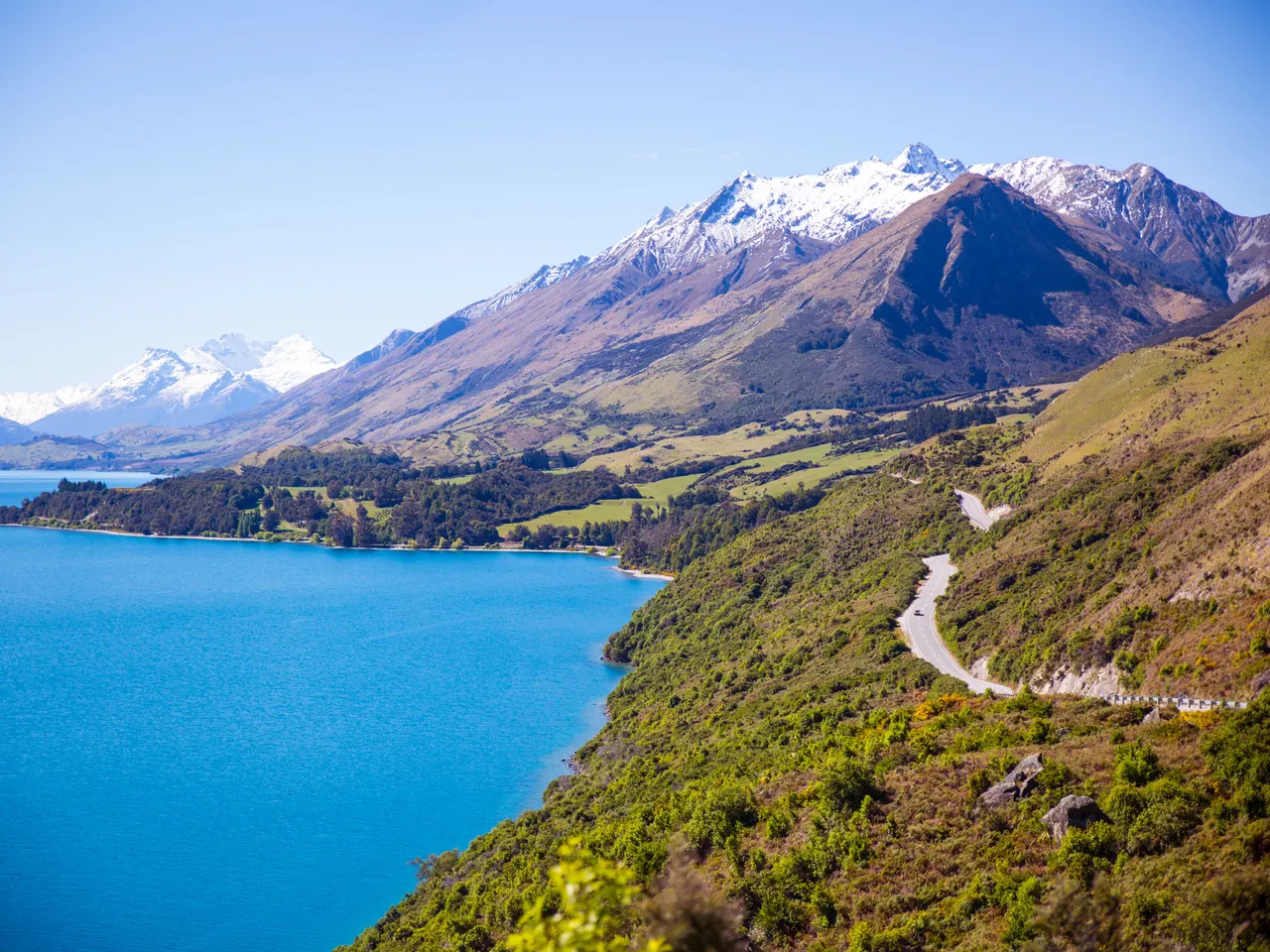
New Zealand
Sounds and coasts with a rental shed
Named paddling coasts have rentals and tours for travelers. The water is the destination. Put-ins are documented; you start at the shop or the ramp.
- Visitor rentals and tours
- Sea and sheltered water worth the flight
- A real paddle trip, not a lagoon loop
The vibe
Sliding a hull into the water puts you right into a dramatic landscape of sheer drowned valleys, glassy fiords, and braided rivers cutting through massive mountain ranges. Summer offers the most dependable weather window for multi-day expeditions, though winter can deliver mirror-flat mornings for those willing to brave the chill. It is predominantly a do-it-yourself adventure where you pack your own hatches and map out tidal flows, though guided multi-day sea kayak trips are easy to join in major coastal hubs.

Abel Tasman National Park
Tasman
Krzysztof Golik / Wikimedia Commons (CC BY-SA 4.0)
Renowned for its golden sand beaches and turquoise waters, this coastal park offers some of the world's best sea kayaking. Paddlers navigate sheltered bays, granite headlands, and marine reserves teeming with seals and birdlife.
Access. Numerous kayak rental operators and guided tour companies are based in Marahau and Kaiteriteri, offering both half-day trips and multi-day freedom rentals.
Notes. Tidal ranges are significant; planning around the tide is essential for navigating estuaries. Best season is November to April.

Akaroa Harbour
Canterbury
Bahnfrend / Wikimedia Commons (CC BY-SA 3.0)
Paddle within the crater of an extinct volcano, where the calm waters of Akaroa Harbour provide a sanctuary for the rare Hector's dolphin. The dramatic volcanic cliffs and sea caves offer a stunning backdrop for sea kayakers.
Access. Several kayak rental and tour companies operate from the Akaroa wharf, offering guided wildlife-focused paddles.
Notes. Wind can pick up in the afternoon; stay close to the shoreline.

Bay of Islands
Northland
David Broad / Wikimedia Commons (CC BY 3.0)
This subtropical region features over 140 islands, providing a vast network of sheltered coves and passages for sea kayakers. The area is rich in history and marine life, including dolphins and penguins.
Access. Paddling trips depart from Paihia and Russell, with several operators offering island-hopping expeditions and kayak rentals.
Notes. Generally calm waters, but wind can pick up in the afternoon. Suitable for all skill levels.

Buller River
West Coast
Ulrich Lange, Bochum, Germany / Wikimedia Commons (CC BY-SA 4.0)
The Buller River is one of the most significant whitewater rivers in the South Island, flowing through dramatic gorges and lush forest. It offers a range of challenges from scenic touring to technical whitewater.
Access. Murchison is the primary base for river kayakers, with local outfitters providing shuttles and guided instruction for the various river sections.
Notes. The river is highly variable; suitable for intermediate to expert paddlers depending on the section and flow.

Cathedral Cove & Te Whanganui-A-Hei Marine Reserve
Waikato
Javier Sánchez Portero / Wikimedia Commons (CC BY-SA 3.0)
Paddle through iconic sea arches and limestone sea caves along the Coromandel Peninsula's rugged coastline. This marine reserve offers crystal-clear water and protected coves that are best explored via kayak to avoid the crowds at the main beach.
Access. Guided sea kayak tours depart regularly from Hahei Beach, providing all necessary equipment and safety briefings for the coastal route.
Notes. Best paddled in the morning to avoid afternoon sea breezes; check tide charts for cave access.

Doubtful Sound
Southland
Pseudopanax at English Wikipedia / Wikimedia Commons (Public domain)
Known as the 'Sound of Silence,' this remote fjord offers a more tranquil and pristine kayaking experience than its busier neighbor, Milford Sound. Paddlers can explore deep, untouched arms of the fjord surrounded by dense rainforest.
Access. Access is via a guided tour from Manapouri, which includes a boat crossing of Lake Manapouri and a coach trip over Wilmot Pass.
Notes. Remote wilderness area; guided trips are the standard way to access this location safely.

Kaituna River
Bay of Plenty
Jon Sullivan / Wikimedia Commons (CC BY 4.0)
Renowned for its world-class whitewater, the Kaituna River offers a thrilling experience for experienced kayakers with its series of dramatic waterfalls and technical drops. It is a bucket-list destination for international whitewater paddlers visiting the Bay of Plenty.
Access. Access points are well-marked near Okere Falls; local kayak schools and rental shops cater to experienced paddlers looking for gear or shuttle services.
Notes. Strictly for experienced whitewater kayakers; high-consequence drops require local knowledge.

Lake Mapourika
West Coast
Richard Palmer / Wikimedia Commons (CC BY-SA 3.0)
Nestled near the Franz Josef Glacier, this glacial lake is famous for its mirror-like reflections of the Southern Alps. Kayakers can explore the quiet, dark waters of the Okarito Kiwi Sanctuary wetlands that feed into the lake.
Access. Kayak rentals and guided nature tours are available directly on the lake shore, providing easy access to the calm, protected waters.
Notes. Extremely calm water; excellent for beginners and photography enthusiasts.

Marlborough Sounds
Marlborough
nut.in.a.hut / Wikimedia Commons (CC BY-SA 3.0)
This vast network of sunken river valleys creates a complex maze of waterways, peninsulas, and islands. It is a premier sea-kayaking destination for those looking for multi-day touring in a sheltered, scenic environment.
Access. Paddling hubs are located in Picton and Anakiwa, where visitors can rent kayaks or join multi-day guided expeditions into the Queen Charlotte or Kenepuru Sounds.
Notes. Watch for ferry traffic in the main channels. Excellent camping spots are accessible only by water.

Milford Sound (Piopiotahi)
Southland
Bob Linsdell / Wikimedia Commons (CC BY 3.0)
Kayaking in this dramatic fjord allows visitors to get up close to towering granite cliffs, cascading waterfalls, and the dark, reflective waters of the Tasman Sea. It is a world-class destination for experiencing the sheer scale of Fiordland from the water level.
Access. Guided kayak tours operate directly from the Milford Sound terminal, providing all necessary gear and safety briefings for exploring the fjord's perimeter.
Notes. Weather can change rapidly; high rainfall is common. Guided tours are mandatory for most visitors due to safety and park regulations.

Rangitikei River
Manawatū-Whanganui
D B W / Wikimedia Commons (CC BY 3.0)
The Rangitikei River is famous for its stunning limestone gorges and exciting whitewater sections. It is a premier destination for river kayakers seeking both technical rapids and scenic touring through deep, narrow canyons.
Access. Several adventure companies based in Taihape provide guided whitewater kayaking trips and equipment rentals for experienced paddlers.
Notes. Water levels fluctuate; check local gauges. Some sections are Grade 2-3, requiring intermediate skills.

Tongariro River
Waikato
Symac / Wikimedia Commons (CC BY-SA 3.0)
The Tongariro River provides a fantastic mix of scenic river touring and accessible whitewater rapids through volcanic landscapes. It is a classic North Island river paddling destination known for its clear water and trout-filled pools.
Access. Local kayak operators in Turangi offer guided trips and equipment rentals for both beginner and intermediate paddlers.
Notes. Water levels can vary; check local conditions before heading out.

Waikato River (Taupō)
Waikato
Symac / Wikimedia Commons (CC BY-SA 3.0)
The section of the Waikato River near Taupō offers a mix of gentle touring and exciting whitewater. Paddlers can explore the crystal-clear waters above Huka Falls and the volcanic landscapes of the central North Island.
Access. Local kayak operators in Taupō offer guided tours, including trips to the base of the Huka Falls and scenic river excursions.
Notes. Strict safety zones exist near Huka Falls; never attempt to paddle over the falls.