
Hiking in Peru
Hiking spots in Peru include Ausangate Trek, Bayoz Waterfall, and Choquequirao Trek.
The vibe
Walking here means ascending through ancient terraced valleys into thin, freezing mountain air where stone paths trace dizzying ridgelines far above the clouds. The dry winter months from May to September bring crisp blue skies and firm ground, though evenings drop well below freezing. You move in small groups alongside local mule drivers, sharing routes with independent backpackers while sorting national park entry ahead of time.
You sort a park ticket for restricted zones.

Ausangate Trek
Cusco
Freesolo Adventures / Wikimedia Commons (CC BY 2.0)
A remote, high-altitude circuit around the sacred Apu Ausangate mountain, featuring vibrant rainbow-colored mountains and massive glaciers. The trail is known for its stark, otherworldly beauty and encounters with local alpaca-herding communities.
Access. Starts from Tinki, reachable by road from Cusco; best done with a local guide due to the remote nature of the terrain.
Notes. Very high altitude, often exceeding 5,000 meters; requires excellent physical condition.

Bayoz Waterfall
Junín
Harley Calvert / Wikimedia Commons (CC BY-SA 3.0)
A refreshing jungle hike leading to a series of powerful, tiered waterfalls tucked away in the Chanchamayo Valley. The trail is short but lush, leading visitors to natural swimming pools at the base of the falls.
Access. Located near La Merced, accessible via local mototaxis or guided tours.
Notes. The trail can be slippery; wear appropriate footwear for humid jungle conditions.

Choquequirao Trek
Cusco
Johnattan Rupire / Wikimedia Commons (CC BY-SA 4.0)
Often called the 'sister city' of Machu Picchu, this site is reached only by a grueling multi-day trek across a deep canyon. The trail is far less crowded, offering a raw, adventurous experience through varied ecosystems, from arid canyon walls to high-altitude cloud forest.
Access. Starts from Cachora, a village accessible by road from Cusco.
Notes. Physically demanding due to the massive descent and ascent required; less infrastructure than the Inca Trail.

Colca Canyon
Arequipa
Nad Hemnani santtd / Wikimedia Commons (CC0)
One of the world's deepest canyons, this area offers dramatic trekking routes that descend from the rim to the river floor and back up through terraced villages. The landscape is characterized by arid, steep walls, soaring Andean condors, and traditional mountain culture.
Access. Accessible via bus from Arequipa to Cabanaconde, the primary trailhead for canyon floor hikes.
Notes. Steep, strenuous terrain with significant elevation change; hot during the day and cold at night.

Cotahuasi Canyon
Department of Arequipa
Futuropopular / Wikimedia Commons (CC BY-SA 4.0)
Often cited as one of the deepest canyons in the world, this remote area offers rugged trekking through dramatic vertical landscapes and traditional Andean villages. The terrain ranges from arid canyon floors to high-altitude mountain passes.
Access. Accessible via long bus journeys from Arequipa, followed by local transport to various trailheads.
Notes. Very remote; hikers should be self-sufficient or hire local guides for navigation.

El Misti Volcano
Arequipa
Zorbedit / Wikimedia Commons (CC BY-SA 3.0)
A challenging climb to the summit of one of the world's most iconic symmetrical volcanoes overlooking Arequipa. The trek involves a steep ascent through volcanic ash and scree, rewarding climbers with a view into the crater and across the high Andean plateau.
Access. Requires a 4x4 vehicle to reach the base camp and a professional guide for the ascent from Arequipa.
Notes. Serious altitude and physical exertion; best tackled during the dry season between May and September.

Gocta Waterfall
Amazonas
Martin St-Amant ( S23678 ) / Wikimedia Commons (CC BY 3.0)
A stunning hike through cloud forest leads to the base of one of the world's tallest waterfalls, which drops in two massive tiers. The trail is lush, humid, and teeming with diverse birdlife, including the elusive Andean Cock-of-the-rock.
Access. Trailheads are located near the village of Cocachimba or San Pablo, accessible from Chachapoyas.
Notes. The trail can be muddy and slippery; best visited during the drier season.

Huayhuash Circuit
Ancash
TMbux / Wikimedia Commons (CC BY-SA 3.0)
Widely considered one of the most spectacular alpine treks in the world, this circuit circles the jagged, glaciated peaks of the Cordillera Huayhuash. Expect strenuous high-altitude trekking, turquoise glacial lakes, and massive snow-capped ridgelines.
Access. Typically starts from the town of Huaraz, requiring a multi-day guided expedition or experienced independent trekking logistics.
Notes. Extremely high altitude; requires significant physical fitness and acclimatization.

Huaytapallana Mountain Range
Junín
Jonathan Chancasana / Wikimedia Commons (CC BY-SA 4.0)
A sacred and remote alpine trekking region featuring jagged peaks, glaciers, and high-altitude lagoons. It offers a raw, spiritual, and physically demanding experience for serious trekkers.
Access. Located near the city of Huancayo; requires local guides for safe navigation of the high passes.
Notes. Very remote; high altitude and unpredictable weather are significant factors.
Kuelap Fortress Trail
Amazonas
A historic trail leading to the massive walled citadel of the Chachapoyas culture, perched on a mountain ridge. The walk combines archaeological exploration with stunning views of the surrounding cloud forest valleys.
Access. Accessible via a cable car system or a steep hiking trail from the village of Tingo.
Notes. Cloud forest environment; expect misty conditions and potential rain.
Laguna Moron Oasis
Ica
A hidden desert oasis surrounded by towering sand dunes, offering a unique walking experience in the coastal desert region. The trail is short and scenic, perfect for those exploring the Ica region.
Access. Accessible by 4x4 or guided tour from the town of Pisco or Paracas.
Notes. Best visited in the early morning to avoid intense midday desert heat.

Manu National Park
Madre de Dios
Earth Science and Remote Sensing Unit , Lyndon B. Johnson Space Center / Wikimedia Commons (Public domain)
Deep-jungle trekking through one of the most biodiverse regions on the planet, featuring dense canopy trails and river-based access. Trekkers explore pristine rainforest environments, spotting unique wildlife while navigating humid, lush terrain.
Access. Access is strictly regulated and requires booking through authorized tour operators based in Cusco or Puerto Maldonado.
Notes. Requires permits and professional guides; malaria prophylaxis and yellow fever vaccinations are recommended.

Paracas National Reserve
Ica
Petr Meissner / Wikimedia Commons (CC BY 2.0)
A unique coastal desert landscape where the arid dunes meet the Pacific Ocean. Trails here offer sweeping views of dramatic cliffs, secluded beaches, and abundant marine wildlife, including sea lions and migratory birds.
Access. Located near the town of Paracas; accessible by tour or private vehicle from the park entrance.
Notes. Very windy; limited shade, so sun protection is essential.
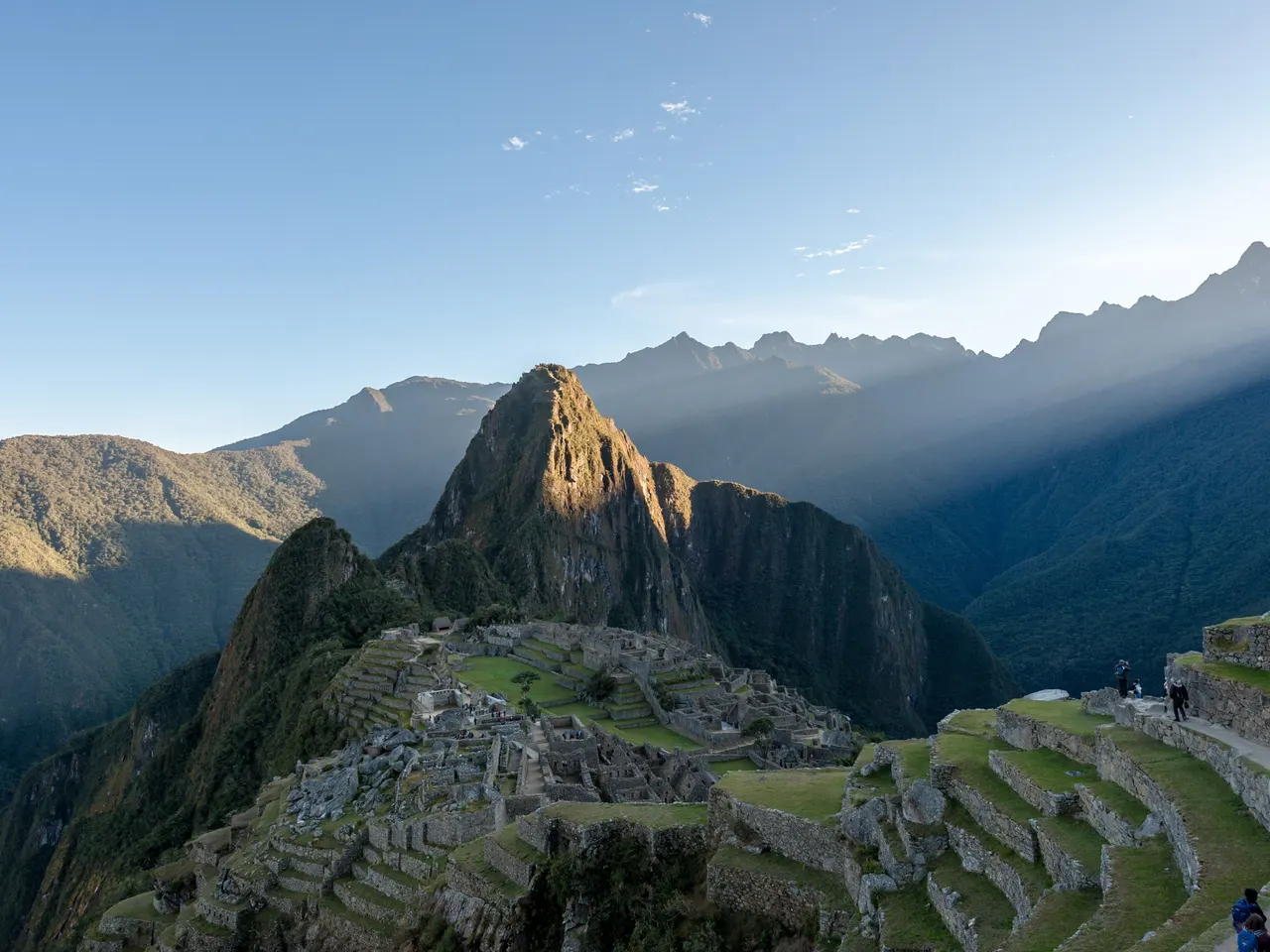
Salkantay Trek to Machu Picchu
Cusco
Sergei A · Pexels
A rugged and diverse multi-day trek that traverses high mountain passes, glacial valleys, and lush cloud forests. It serves as a spectacular alternative to the classic Inca Trail, offering more dramatic mountain scenery and fewer crowds.
Access. Typically organized as a 4-5 day guided expedition starting from Mollepata or Cusco.
Notes. Requires high physical fitness due to steep ascents and significant altitude.

Santa Cruz Trek
Ancash
TMbux / Wikimedia Commons (CC BY-SA 3.0)
A classic 4-day trek through the heart of the Cordillera Blanca, crossing the high Punta Union pass. The route showcases spectacular views of iconic peaks like Alpamayo and Taulliraju, alongside pristine alpine meadows and glacial lagoons.
Access. Starts from Vaqueria or Cashapampa, both accessible from the trekking hub of Huaraz.
Notes. High altitude; best done between May and September to avoid the rainy season.