
Hiking in Japan
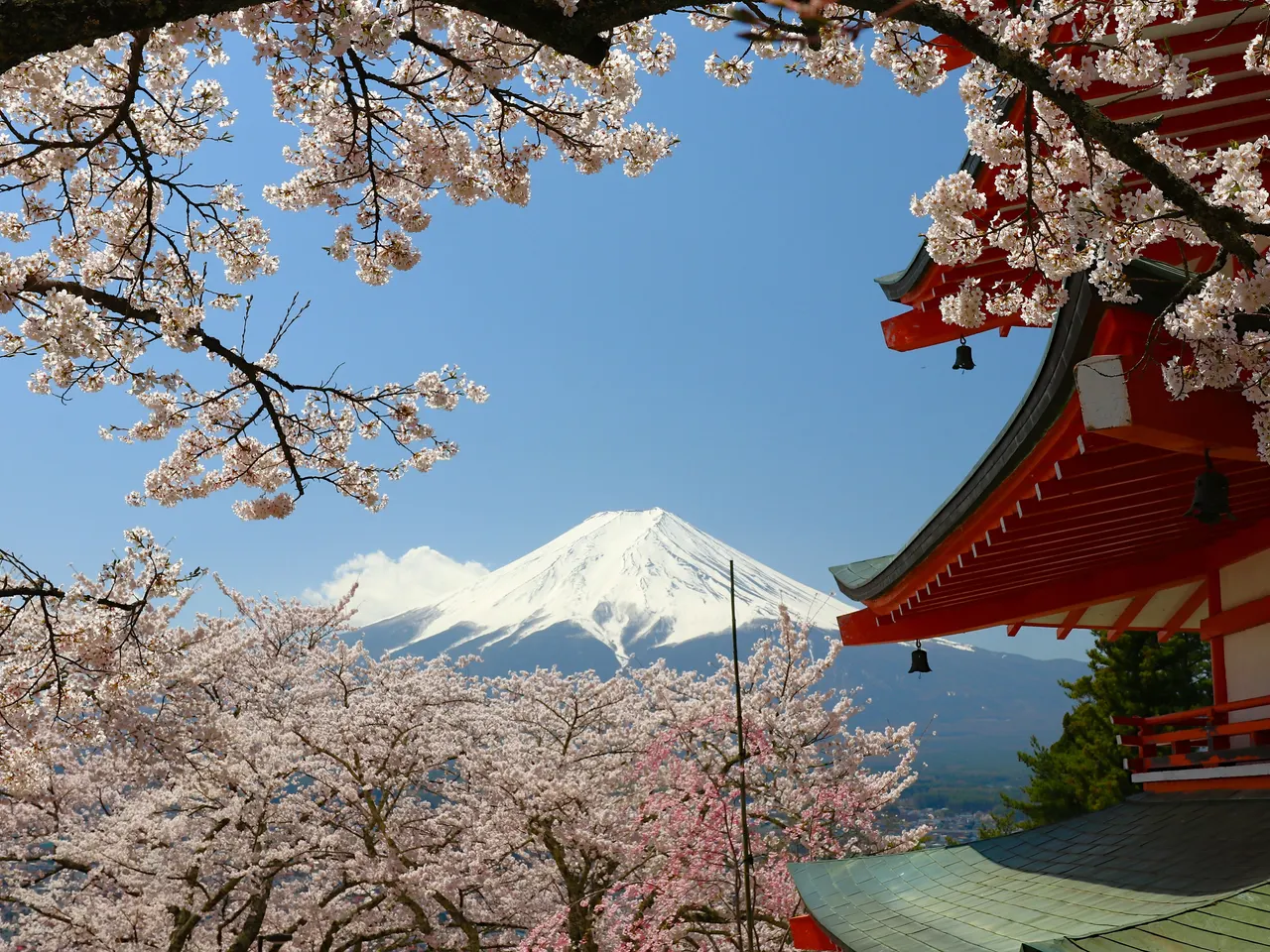
Japan
Volcanoes and forests with a posted trail
National parks and famous peaks have marked routes, buses, and visitor centres a traveler can use in a week. You do not need a club. Season and mountain rules are posted; the walk is the trip.
- Marked park trails
- Buses and trailheads a visitor can find
- Volcano and forest days on one trip
The vibe
The ridges hold an austere, volcanic solemnity entirely distinct from alpine Europe, where every ascent feels threaded through ancient spiritual footprints. Autumn brings the clearest skies and blazing foliage, though early summer suits the greener lower slopes. You share the trails with an orderly mix of seasoned locals and respectful day-trippers, keeping the experience quiet and self-directed.

Daisetsuzan National Park Traverse
Hokkaido Prefecture
alpsdake / Wikimedia Commons (CC0)
Hike across Hokkaido's wild volcanic roof, featuring vast alpine plateaus, steaming fumaroles, and some of the earliest autumn foliage in Japan. The multi-day traverse connects rugged peaks like Mount Asahidake and Mount Tokachidake.
Access. Fly to Asahikawa, then take local buses to Asahidake Onsen or Kurodake ropeway base to access high-altitude trailheads.
Notes. Short snow-free window from July to September. Brown bears inhabit the region; carry proper bear spray and precautions.
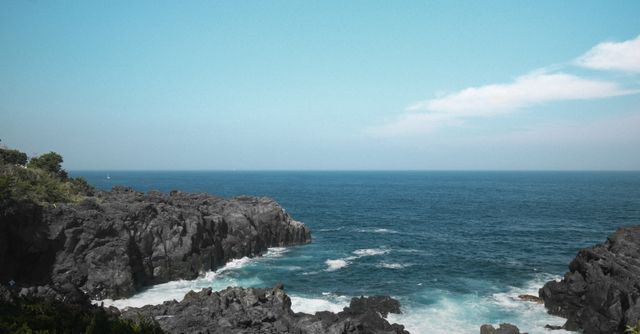
Jogasaki Coast Hiking Trail
Shizuoka Prefecture
Photo by Donald Tong on Pexels
Follow a dramatic coastal walking path along jagged lava cliffs formed by ancient eruptions of Mount Omuro on the Izu Peninsula. The trail features pine-fringed clifftops, rocky coves, and a thrilling suspension bridge over crashing ocean waves.
Access. Take the JR Ito Line to Jogasaki-Kaigan station, followed by a 15-minute walk to the coastal trailheads.
Notes. Sturdy footwear needed for uneven volcanic rock surfaces near the ocean edge.

Kamikochi and Mount Yakedake, Northern Alps
Nagano Prefecture
lienyuan lee / Wikimedia Commons (CC BY 3.0)
Explore the stunning alpine valleys and glacial rivers of Kamikochi, serving as the gateway to the rugged peaks of the Northern Japan Alps. Trails range from easy riverside walks along the Azusa River to strenuous summit scrambles like Mount Yakedake.
Access. Reached by highway bus or train-and-bus combinations from Matsumoto or Takayama. Private cars are banned to protect the national park environment.
Notes. Park closes in winter (November to mid-April). Bear bells are recommended due to local wildlife.

Kirishima-Yaku National Park (Kirishima Peaks)
Kagoshima Prefecture
そらみみ / Wikimedia Commons (CC BY-SA 3.0)
Traverse a chain of active and dormant volcanoes in southern Kyushu, hiking past turquoise crater lakes like Lake Omori and barren volcanic ash fields. The routes link multiple peaks including Karakuradake and Mount Shinmoedake viewpoints.
Access. Reachable via bus from Kirishima-Jingu Station or Kagoshima Airport to Ebino Plateau or Kirishima Onsen trailheads.
Notes. Volcanic alert levels can restrict access to certain peaks; check real-time Japan Meteorological Agency warnings.

Kumano Kodo Pilgrimage Trail (Nakahechi Route)
Wakayama Prefecture
Nekosuki / Wikimedia Commons (CC BY-SA 4.0)
Trek through the misty cedar forests, mossy mountain passes, and ancient stone pavements of the Kii Peninsula on this UNESCO-listed pilgrimage trail. This historic route connects sacred Shinto shrines across serene rural valleys and mountain ridges.
Access. Start from Kii-Tanabe station, accessed via the Kuroshio limited express train from Osaka. Local buses connect to trailheads like Takijiri-oJI.
Notes. Multi-day trekking requires booking ryokans or minshukus well in advance as trail towns are small.

Minoh Park and Waterfall Walk
Osaka Prefecture
::::=UT=:::: / Wikimedia Commons (CC BY-SA 3.0)
Stroll along a gentle, paved forest path following the Minoh River to the scenic Minoh Waterfall near Osaka. It is a beloved nature walk famous for vibrant autumn foliage and playful wild monkeys along the gorge.
Access. Take the Hankyu Takarazuka Line to Ishibashi Station, transfer to the Minoh Line, and walk from Minoh Station to the trailhead.
Notes. Very easy walking path suitable for all fitness levels; extremely busy during autumn leaf-peeping season.

Mount Aso Caldera and Nakadake Rim
Kumamoto Prefecture
Raita Futo from Tokyo, Japan / Wikimedia Commons (CC BY 2.0)
Hike across the dramatic, grass-covered outer rim and active volcanic craters of Mount Aso in Kyushu. Trails wind through vast highland pastures and scorched volcanic ash plains surrounding one of the world's largest inhabited calderas.
Access. Train to Aso Station, followed by local buses directly to the Mount Aso ropeway / museum area or Kusasenri plateau.
Notes. Volcanic gas alerts can restrict access to active crater rims; check daily safety updates before hiking.

Mount Daisen Summit Trail
Tottori Prefecture
Mass Ave 975 / Wikimedia Commons (CC BY-SA 3.0)
Climb the rocky volcanic cone of Mount Daisen, known as the 'Fujisan of the Chugoku region'. The well-maintained trail ascends through dense beech forests before transitioning to wooden boardwalks over fragile alpine ridges.
Access. Take a bus from Daisen-guchi or JR Kurayoshi/Yonago stations to the Daisenji temple area trailhead.
Notes. Summit boardwalk protections are strict to prevent erosion; winter climbing requires mountaineering gear.

Mount Fuji Yoshida Trail
Yamanashi Prefecture
YAMAMOTO Kenta / Wikimedia Commons (CC BY-SA 2.1 jp)
Climb Japan's most iconic stratovolcano along the historic Yoshida route, traversing barren volcanic ash fields and cinder slopes. The classic ascent rewards hikers with unforgettable sunrises ('Goraiko') from the summit rim above the clouds.
Access. Accessible via the Fuji Subaru Line 5th Station, reached by direct buses from Shinjuku or Kawaguchiko during the official climbing season from July to early September.
Notes. Reservations are required for the Yoshida trail, and peak climbing congestion is common. Altitude sickness and sudden weather changes are major hazards.

Mount Tsurugi Ridge Trail
Tokushima Prefecture
Mass Ave 975 / Wikimedia Commons (CC BY-SA 3.0)
Trek along wooden boardwalks atop Shikoku's second-highest peak, traversing wide alpine meadows and dramatic limestone ridgelines. The area provides sweeping panoramic views across the rugged interior of Shikoku Island.
Access. Drive via mountain roads to Tsurugisan Ski-lb lower station or the Minokoshi trailhead parking lot.
Notes. Mountain huts operate during summer; winter snows require specialized alpine gear.

Mount Zao Crater Rim and Okama Lake
Miyagi Prefecture
Jun K / Wikimedia Commons (CC BY-SA 2.0)
Hike the volcanic ridge trail around Mount Zao's emerald-green crater lake, known as Okama. The high-altitude traverse offers sweeping views across the Tohoku mountains and unique volcanic geology.
Access. Take the Zao Echo Line scenic road or ropeway from Zao Onsen village to the upper parking and crater rim trailheads.
Notes. Summit weather can deteriorate rapidly; trails closed during heavy winter snows.

Shiretoko Five Lakes Boardwalk and Trails
Hokkaido Prefecture
663highland / Wikimedia Commons (CC BY 2.5)
Walk along elevated wooden boardwalks and pristine forest dirt trails overlooking tranquil volcanic lakes in the wilderness of northeastern Hokkaido. The area offers a pristine encounter with untouched northern forest and potential brown bear habitats.
Access. Fly to Memanbetsu or Nakashibetsu airport, then rent a car or take a seasonal bus from Utoro.
Notes. Strict brief safety briefing is mandatory before entering the ground trails due to active brown bear populations.

Yakushima Island (Jomon Sugi Trail)
Kagoshima Prefecture
Raita Futo from Tokyo, Japan / Wikimedia Commons (CC BY 2.0)
Trek through an enchanted primeval rainforest filled with moss-draped ancient Japanese cedar trees ('Yakusugi') that date back thousands of years. The trail follows old logging railway tracks and root-woven jungle paths up into the misty mountain interior.
Access. Fly or take a high-speed ferry from Kagoshima to Yakushima, then catch a local bus to the Yakusugi Land or Arakawa trailheads.
Notes. Heavy rainfall is frequent year-round; waterproof gear and sturdy footwear are essential.