
Freediving in Thailand
Thailand
Island courses you can start in a week
A few islands run visitor freedive schools next to the usual water-sports desks. You can book a course or a fun session without a local club. The water is warm and usable.
- Visitor courses
- Bookable sessions
- A scene, not a random bay
The vibe
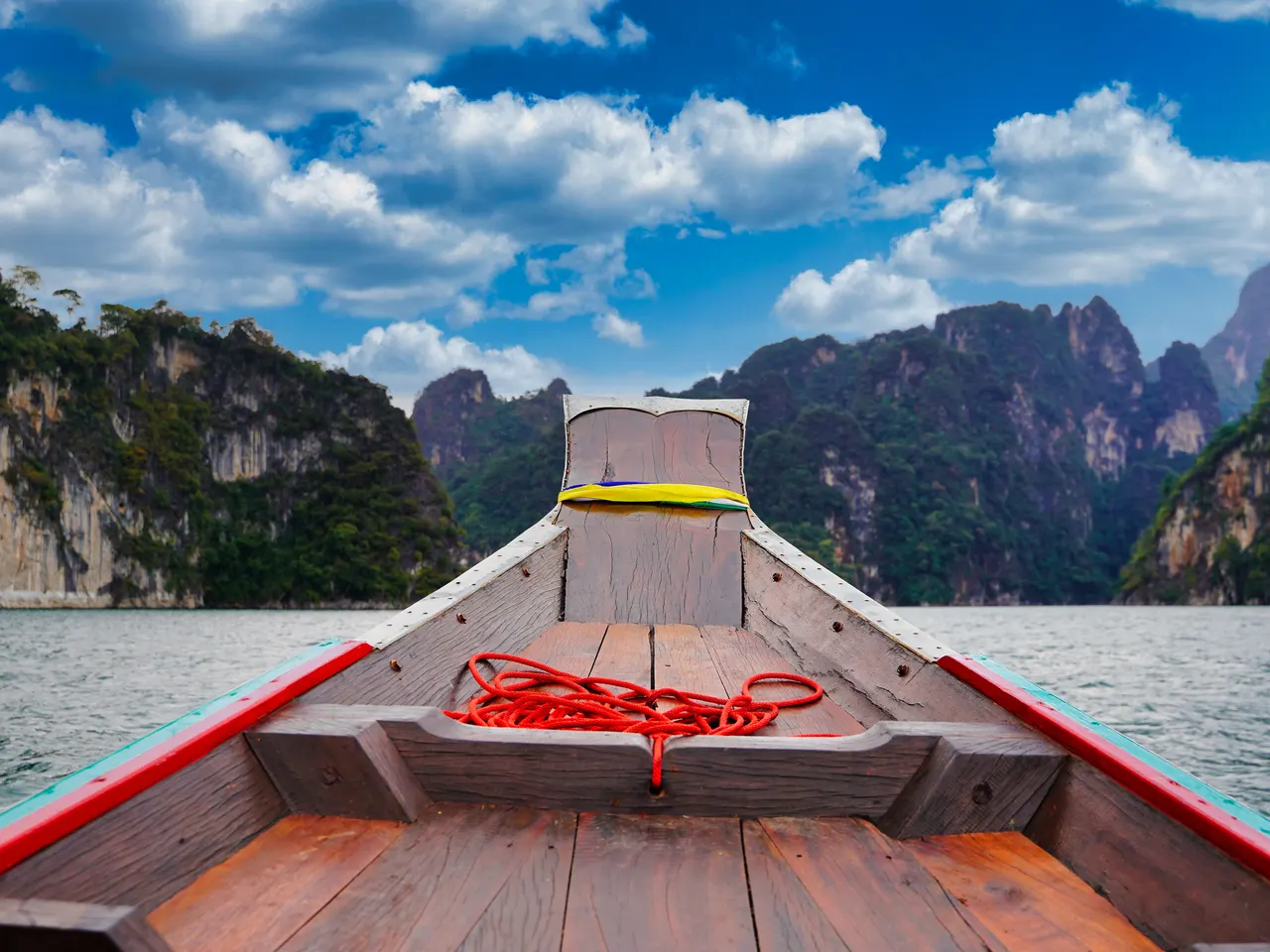
Freediving here is about slipping into warm, crystal waters where the surface mirrors the sky and the depth feels surprisingly close. The cooler, dry months give the clearest water and calm seas, ideal from November through April. The scene is low‑key, with a handful of local clubs offering informal meet‑ups, so you can just show up and get a quick brief.

Ao Hin Wong Bay
Surat Thani Province
우한길(HK Woo) / Wikimedia Commons (CC BY 3.0)
A peaceful northeast bay with sandy bottom, coral bommies, and anemone fields in 2–16 m. Visibility is often good and the setting is quieter than Sairee, suited to relaxed apnea drills and macro-focused breath-hold swims.
Access. Scooter to Hin Wong area; shore entry from the bay. Some resorts and schools use it for low-traffic training days.
Notes. Do not confuse with offshore Hin Wong Pinnacle—a separate area requiring a boat.

Aow Leuk Bay
Surat Thani Province
diego_cue / Wikimedia Commons (CC BY-SA 3.0)
A sheltered southeast bay with calm, clear water and a sandy-to-coral slope from 2–16 m. Visibility is often excellent and currents stay light, making it ideal for first open-water apnea, buoyancy work, and relaxed reef swims between breath-hold sets.
Access. Short taxi or scooter ride from Mae Haad; several resorts allow shore entry. Freediving schools commonly run beginner open-water modules and fun-dives here by longtail or school boat.
Notes. Small entry fee may apply at some resort stretches; avoid finning over shallow coral on the inner reef.

Chumphon Pinnacle
Surat Thani Province
portioid / Wikimedia Commons (CC BY-SA 4.0)
A granite pinnacle rising from 14 m to beyond 40 m in open Gulf water, wrapped in anemones and patrolled by barracuda, trevally, and batfish. Advanced freedivers come here for deep line work and blue-water hangs with seasonal whale-shark passes.
Access. ~45-minute dive boat from Mae Haad; book through any Koh Tao freediving or dive school offering advanced depth days. Depth rig and experienced instructor required for most certification-level deep sessions.
Notes. Open-ocean currents and boat traffic; depth beyond recreational apnea limits for uncertified divers. Whale sharks possible Mar–May and Sep–Oct—not guaranteed.

Japanese Gardens
Surat Thani Province
User:Saerin / Wikimedia Commons (CC BY-SA 3.0)
A sheltered coral garden on the south side of Koh Nang Yuan with 2–12 m depths, minimal current, and hard-and-soft corals in clear water. The gentle slope and protected setting make it one of the Gulf's best spots for first ocean breath-hold dives and photography between line sessions.
Access. Day trip to Koh Nang Yuan (~15 min longtail from Koh Tao) with beach entry; included on many school fun-dives and beginner open-water days. Nang Yuan island entry fee applies.
Notes. Koh Nang Yuan marine area rules—no single-use plastics; can be crowded when speedboats arrive mid-morning.

Koh Lipe
Satun Province
::::=UT=:::: / Wikimedia Commons (CC BY-SA 3.0)
Offering crystal-clear waters and vibrant coral gardens, Koh Lipe features excellent shore-accessible reefs and nearby islands with protected bays. Freedivers come here for relaxed exploratory dives and shallow training along sloping coral shelves.
Access. Reachable via speedboat or ferry from Pak Bara or Langkawi; dedicated freediving instructors and schools operate directly on Pattaya Beach and Walking Street.
Notes. Boat traffic around popular beaches can be heavy; be mindful of local marine park conservation regulations.

Laem Thian
Surat Thani Province
fawasp / Wikimedia Commons (CC BY 3.0)
A remote east-coast headland with swim-throughs, small caves, and walls from 5–25 m in typically clear water. Experienced freedivers visit for adventurous line-free exploration when they want rugged topography away from the busy west-coast schools strip.
Access. Boat access only from Koh Tao (~20–30 min); arranged through dive and freediving operators on calm days. Not a walk-in beginner site.
Notes. Exposed east coast—conditions variable; currents and surge in swim-throughs.

Lighthouse Bay
Surat Thani Province
Franz Winter at German Wikipedia ( Original text: Franz Winter (Benutzer: Franz Winter, eigenes Foto) ) / Wikimedia Commons (CC BY-SA 3.0)
A sheltered northeast cove with a gentle sandy slope into coral patches at 3–18 m. When wind churns the west coast, schools shift training here for calmer breath-hold sessions with stingrays and morays on the reef.
Access. Boat or shore entry depending on operator; commonly used as a backup training site reachable from Koh Tao dive and freediving shops.
Notes. Less infrastructure than Sairee; check surface conditions before long shore swims.
Mango Bay
Surat Thani Province
Franz Winter at German Wikipedia ( Original text: Franz Winter (Benutzer: Franz Winter, eigenes Foto) ) / Wikimedia Commons (CC BY-SA 3.0)
A quiet north-coast cove with gin-clear shallows, coral bommies, and a sandy bottom from 2–14 m. The bay stays protected from swell, giving freedivers stable conditions for technique drills, equalization practice, and easy reef exploration on breath-hold.
Access. Rough road or longtail from Sairee/Mae Haad (~10 min by boat); some operators include Mango Bay on training days. Snorkel gear and fins available through Koh Tao schools if you join a guided session.
Notes. Limited shore facilities; boat traffic picks up mid-morning when dive groups arrive.

Phi Phi Islands
Krabi Province
Tuderna / Wikimedia Commons (CC BY 3.0)
Dramatic limestone karsts drop into clear turquoise waters, creating scenic vertical walls and sheltered bays ideal for breath-hold exploration. Freedivers can explore coral-rich shallows and dramatic rock formations away from the main tourist crowds.
Access. Accessible via ferry or speedboat from Phuket or Krabi town; local freediving guides and training operators offer day trips and specialized courses on Koh Phi Phi Don.
Notes. Certain bays experience heavy tourist boat traffic during peak hours; practice good surface safety and stay clear of active ferry lanes.

Racha Yai Island
Phuket Province
Tobias Barkskog / Wikimedia Commons (CC BY 3.0)
Located just south of Phuket, Racha Yai boasts crystal-clear visibility, sandy bottoms, and gentle coral slopes. It provides an ideal environment for constant-weight practice and relaxed reef freediving.
Access. Easily reached via day-trip speedboats or catamarans from Chalong Pier in Phuket, with instructors running specialized breath-hold excursions.
Notes. Watch out for day-trip snorkel boats and dive charters during mid-day hours.

Red Rock
Surat Thani Province
Juuyoh TANAKA / Wikimedia Commons (CC BY 2.0)
A coral-covered pinnacle north of Koh Nang Yuan rising from 18 m to 2 m, often dived as a drift toward Nang Yuan Cave and Japanese Gardens. Freedivers with solid equalization enjoy the pinnacle crown and soft-coral walls in clear, current-swept water.
Access. Boat from Koh Tao; commonly bundled with Nang Yuan and Green Rock trips. Intermediate level and drift awareness recommended.
Notes. Drift dives require boat pickup planning; do not drift into cave overhead zones on breath-hold.

Richelieu Rock
Phang-nga Province
TimSC / Wikimedia Commons (CC BY 4.0)
A world-class pinnacle rising from the depths of the Andaman Sea, famous for its vibrant soft corals and frequent encounters with whale sharks and manta rays. The site provides a unique open-ocean environment for experienced freedivers to explore the massive rock structure.
Access. Accessible via liveaboard or day-trip boats departing from Khao Lak or the Surin Islands; requires an experienced guide.
Notes. Strong currents are common; this site is strictly for advanced freedivers with experience in open-ocean conditions.

Sail Rock
Surat Thani Province
portioid / Wikimedia Commons (CC BY-SA 4.0)
A legendary offshore pinnacle situated between Koh Phangan and Koh Tao, featuring a vertical chimney and rich marine life. Freedivers use the deep water column surrounding the pinnacle for line training and pelagic encounters.
Access. Reached via specialized dive boats and freediving charters departing from Koh Phangan or Koh Tao.
Notes. Open ocean site prone to changing currents and swells; surface marker buoys are essential.

Sairee Bay
Surat Thani Province
LizaBo / Wikimedia Commons (CC BY-SA 3.0)
Koh Tao's freediving headquarters—warm Gulf water with 15–25 m visibility and a gentle sandy slope off the island's longest beach. Schools moor training lines and platforms here for static, dynamic, and depth sessions in 5–16 m over coral bommies and sand patches.
Access. Walk-in shore entry from Sairee Beach; Apnea Total, Freedive Koh Tao, Blue Immersion, Kaizen, and other AIDA/SSI/PADI schools are steps from the water. Full gear rental and daily guided line sessions are easy to book on arrival.
Notes. Busy beach with longtail and dive-boat traffic near shore; stay within marked training zones and buddy protocols.

Shark Bay
Surat Thani Province
easy4444 / Wikimedia Commons (CC BY 3.0)
Thian Og Bay on Koh Tao's south coast—a shallow sandy bay with seagrass and reef patches from 2–10 m where green and hawksbill turtles feed. Calm water and easy depth make it ideal for relaxed breath-hold snorkeling and beginner confidence sessions.
Access. Scooter or taxi to Shark Bay; shore entry from the beach. Resorts and schools occasionally run turtle-snorkel and intro apnea outings here.
Notes. Named for historic reef-shark sightings, not current populations; respect turtle feeding zones and avoid touching animals.

Shark Island
Surat Thani Province
Nick Steemans / Wikimedia Commons (CC BY 3.0)
A small granite islet southeast of Koh Tao with sloping reef and boulders from 5–28 m, draped in soft corals and whips. Intermediate freedivers enjoy clear water, variable topography, and occasional leopard-shark sightings on sand patches.
Access. Short boat hop (~15 min) from Koh Tao; afternoon slot at many operators. Suitable for guided intermediate fun-dives after certification.
Notes. Variable current on the exposed sides; depth drops quickly on the outer slope.

Similan Islands
Phang-nga Province
KOSIN SUKHUM / Wikimedia Commons (CC BY-SA 4.0)
Known for massive granite boulder formations, deep blue water columns, and stunning pelagic marine life. Advanced freedivers explore these offshore waters for deep water experiences and incredible underwater topography.
Access. Visited via liveaboard or fast day-trip boats departing from Tablamu Pier in Phang Nga, with specialized freediving expeditions running seasonally.
Notes. Open-ocean currents can be strong; strictly a destination for experienced freedivers accompanied by knowledgeable operators.

Southwest Pinnacle
Surat Thani Province
portioid / Wikimedia Commons (CC BY-SA 4.0)
A cluster of seven granite pinnacles southwest of Koh Tao, with summits from 7–30 m and anemone-covered faces in clear blue water. Intermediate and advanced freedivers use the shallower heads for line work and the deeper drops for pelagic scenery and school fish.
Access. ~40–45 min by dive boat from Koh Tao; offered by freediving schools on advanced training and fun-dives. Usually paired with other offshore sites on full-morning trips.
Notes. Moderate currents possible; multiple boat groups share the site on busy days.
Tanote Bay
Surat Thani Province
fawasp / Wikimedia Commons (CC BY 3.0)
An east-coast bay framed by granite boulders and cliffs, with channels and overhangs dropping to about 18 m at the mouth. Water clarity is strong on calm days and the topography gives intermediate freedivers depth variation without leaving the bay.
Access. Scooter or taxi to Tanote Bay (~20 min from Mae Haad); shore entry from the main beach. Schools run boat or longtail sessions here for students past beginner depth.
Notes. Cliff-jumping and day-trip traffic on the surface; juvenile blacktip reef sharks sometimes patrol outer sand—maintain respectful distance.