
Freediving in Philippines
Philippines
Island schools you can message before you fly
Several islands run freedive courses and fun sessions for visitors. The water is the identity. Book ahead on the busier weeks; it is still a traveler product, not a club-only line.
- Courses a visitor can join
- Warm water for a week of sessions
- Schools, not a random deep patch
The vibe
Gliding downward on a single breath feels intensely meditative here, surrounded by plunging drop-offs and schools of silver jacks that swirl in the blue. Mornings before the wind picks up are the prime time to slip into the water for deep training sessions and fun dives. The scene is refreshingly tight-knit and community-driven, with visiting practitioners hanging out at local cafes between rope sessions.

Apo Island
Negros Oriental
jackylim / Wikimedia Commons (CC BY-SA 3.0)
Apo Island is a fiercely protected marine sanctuary surrounded by pristine coral gardens and steep volcanic slopes. Freedivers encounter abundant sea turtles and dense schools of reef fish in remarkably clear tropical waters.
Access. Day trips by outrigger boat are easily arranged from Dauin or Dumaguete on the mainland.
Notes. Strict marine sanctuary rules apply; touching corals or marine life is strictly prohibited.

Camiguin Island
Camiguin
Ray in Manila / Wikimedia Commons (CC BY 2.0)
This volcanic island features dramatic underwater topography with steep drop-offs and clear water, ideal for depth-oriented freediving. The volcanic landscape continues beneath the surface, providing a unique environment for constant-weight practice.
Access. Freediving-specific operators have established a presence on the island, providing buoy setups and safety training for visitors.
Notes. Strong currents can occur around the island's points; guided sessions are highly recommended.

Coron
Palawan
André Héroux / Wikimedia Commons (CC BY 3.0)
Coron is legendary for its dramatic shipwreck diving, crystal-clear limestone lakes like Kayangan, and sheltered bays. Freedivers can explore submerged World War II wrecks and unique thermoclines in stunning enclosed bodies of water.
Access. Easily accessible via boat charters organized from Coron town. Local guides are recommended for navigating wrecks and protected lakes.
Notes. Some wreck interiors require advanced certifications and penetration safety protocols.
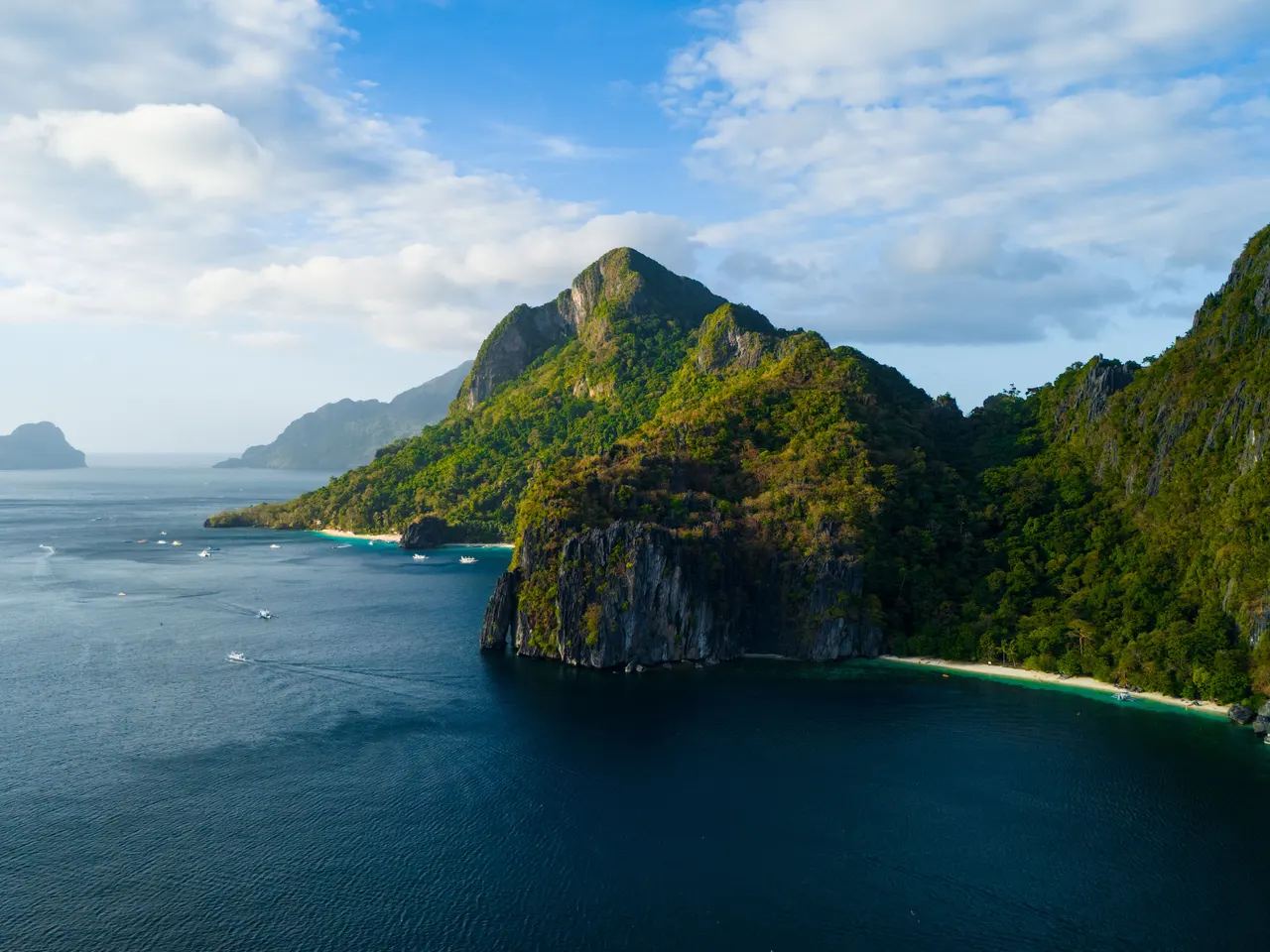
El Nido, Palawan
Palawan
Xt7core · Pexels
El Nido’s Bacuit Bay offers crystal‑clear turquoise water and dramatic limestone walls teeming with coral. Freedivers are drawn to the vertical drop‑offs and vibrant reef life that provide both depth and visual reward for breath‑hold dives.
Access. Several local freediving schools such as Freedive Philippines run courses and daily guided trips from El Nido town; shore entry is easy at Las Cabanas and boat‑to‑site trips are arranged on‑demand.
Notes. Strong currents can develop in the channel between islands; the area is a marine protected zone, so no spearfishing and divers must respect reef limits.

Malapascua Island
Cebu
Jesse Schoff jesseschoff / Wikimedia Commons (CC0)
Beyond its famous thresher shark encounters at Monad Shoal, Malapascua boasts vibrant coral walls and clear island-hopping spots. Freedivers enjoy exploring the surrounding reef structures and vibrant shallow marine ecosystems.
Access. Boat-based access from the island's main beaches. Local dive operators assist with transport to outer pinnacles and walls.
Notes. Open ocean conditions at deeper seamounts require strong swimming skills and caution regarding currents.

Matabungkay, Batangas
Batangas
Ralff Nestor Nacor / Wikimedia Commons (CC BY-SA 4.0)
Located on the western coast of Luzon, this area offers accessible reef freediving with calm waters and vibrant coral gardens. It is a popular spot for weekend freediving workshops and breath-hold technique clinics.
Access. Easily accessible from Manila, with several freediving clubs organizing regular weekend trips and certification courses.
Notes. Boat traffic can be high during weekends; use a surface marker buoy at all times.
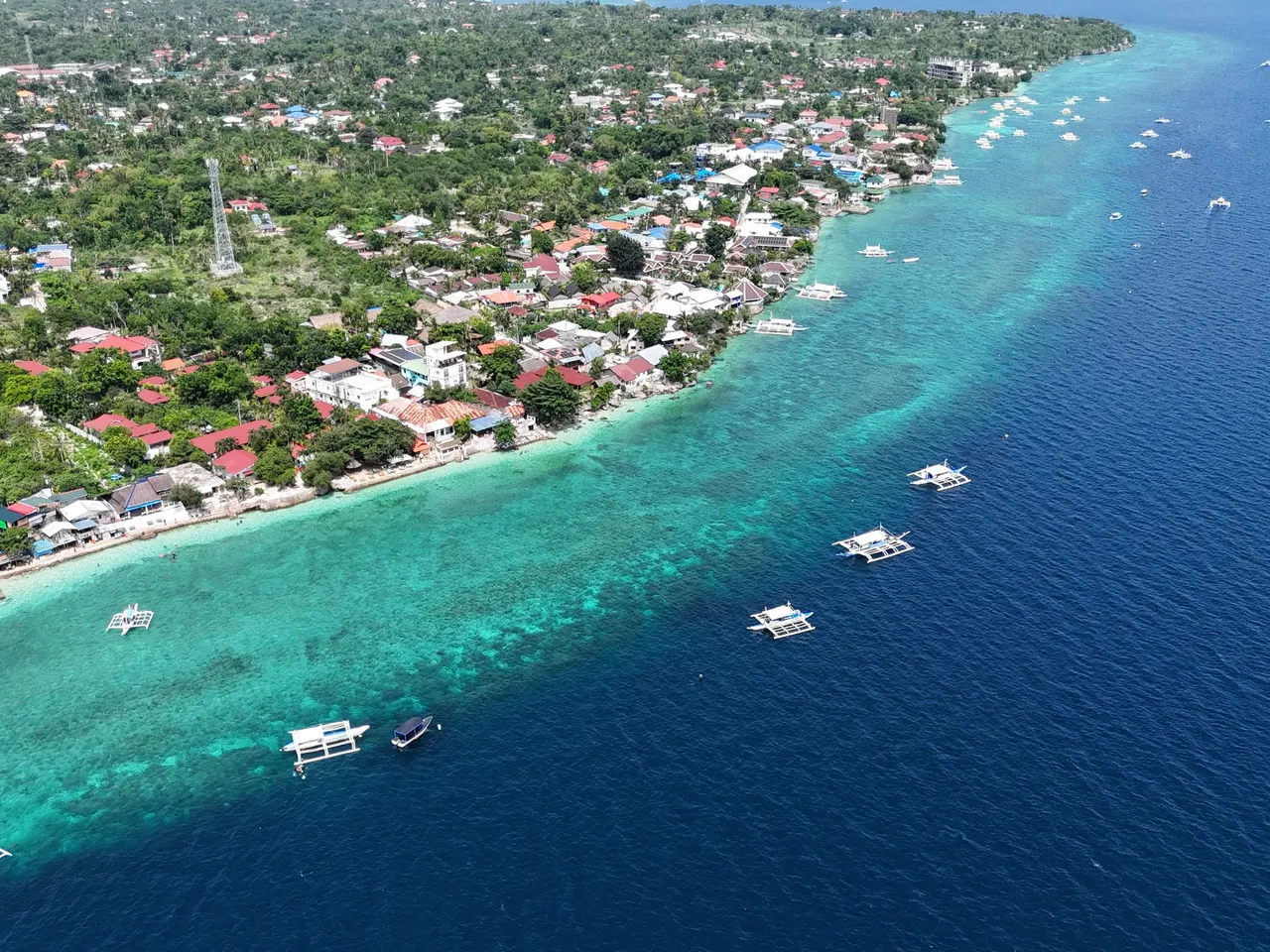
Moalboal
Cebu
BING SHIU CHIU · Pexels
Famous for its dramatic underwater wall and the massive sardine run, Moalboal provides exceptional breath-hold opportunities right off Panagsama Beach. The seabed drops off steeply just meters from shore, making it ideal for deep wall exploration and close encounters with pelagics.
Access. Shore entry from Panagsama Beach is very straightforward. Several freedive shops operate directly along the waterfront.
Notes. Strong currents can occasionally sweep along the drop-off; watch for snorkelers and scuba divers.

Panglao Island
Bohol
Jeroen36 / Wikimedia Commons (CC BY 3.0)
Panglao is the undisputed capital of Philippine freediving, offering warm, clear waters and immediate deep drop-offs just off the shore. Divers come for dedicated buoy lines, structured depth training, and vibrant coral gardens rich in marine life.
Access. Alona Beach hosts multiple world-class freediving schools offering courses, coaching, line training, and equipment rentals.
Notes. Watch out for boat traffic near popular beaches; local marine park fees apply.

Puerto Galera
Oriental Mindoro
André Héroux / Wikimedia Commons (CC BY 3.0)
Puerto Galera features sheltered coves, rich coral reefs, and challenging current-swept channels. It provides diverse breath-hold conditions ranging from calm shallow coral gardens to deeper training zones.
Access. Accessible via a short ferry ride from Batangas. Multiple dive resorts and specialized freediving operations are based around Sabang and Small Lalaguna.
Notes. Be mindful of fast-moving currents in narrow channels between islands.

Siargao Island
Surigao del Norte
ChaasPrime / Wikimedia Commons (CC BY-SA 4.0)
Siargao offers unique freediving experiences in the deep blue waters off the Pacific coast and in the clear, calm lagoons of the surrounding islets. Freedivers frequent the area for both reef exploration and specialized training sessions conducted by local freedive-focused schools.
Access. Several dedicated freediving schools operate in General Luna, offering boat-based training sessions and guided reef exploration.
Notes. Pacific swells can affect visibility and safety; always check with local instructors regarding current conditions.

Sogod Bay
Southern Leyte
Slunky / Wikimedia Commons (CC BY 4.0)
Sogod Bay features deep trenches, pristine coral walls, and seasonal visits from whale sharks. The area offers expansive blue water and peaceful, uncrowded freediving conditions.
Access. Accessible via resorts located around Padre Burgos in Southern Leyte, offering boat support and local guides.
Notes. Remote location with fewer commercial amenities compared to Panglao or Moalboal.

Tubbataha Reefs
Palawan
Gregg Yan / Wikimedia Commons (CC BY-SA 3.0)
A world-class marine sanctuary offering unparalleled visibility and encounters with large pelagics in an open-ocean setting. Freedivers join specialized liveaboard expeditions to experience the sheer walls and dense schools of fish in this remote location.
Access. Accessible only via seasonal liveaboard expeditions that cater specifically to freedivers and marine life enthusiasts.
Notes. Strict marine park regulations apply; advanced freediving certification is usually required due to remote, open-ocean conditions.