
Freediving in Lithuania
Freediving spots in Lithuania include Asveja Lake, Lake Galvė, and Plateliai Lake.
The vibe
Breath‑hold diving here is a test of composure in bracing Baltic water, where the calm surface and the occasional shoal of fish make each descent feel meditative. The best conditions arrive in late July when the water is at its mildest and wind is often light. You’ll mostly see solitary practitioners or small circles of friends, giving the experience a personal, almost secretive atmosphere.

Asveja Lake
Utena County
Vilensija / Wikimedia Commons (CC BY-SA 3.0)
Asveja is the longest lake in Lithuania and features significant depth pockets that attract freedivers looking for vertical training. The lake's protected position provides glassy surface conditions, ideal for static and dynamic apnea practice.
Access. Access is managed through local freediving clubs in Vilnius that organize regular weekend training sessions and workshops at the lake.
Notes. Navigation can be tricky due to the lake's length; ensure you are diving with a recognized club or guide.
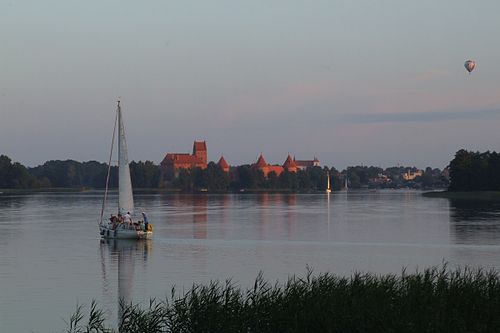
Lake Galvė, Trakai
Vilnius County
Galvė — Wikipedia
Lake Galvė offers clear glacial waters with distinct drop-offs and submerged historical structures, making it a popular spot for local breath-hold divers and apnea clubs. Freedivers come here for low-visibility buoyancy training and cold-water adaptation sessions close to the castle ruins.
Access. Easily accessible from Vilnius by train or car; local freediving clubs and independent apnea groups regularly organize weekend shore-entry training sessions near Trakai.
Notes. Water temperatures remain cold outside of summer; watch out for recreational boat traffic near the castle during peak tourist hours.

Plateliai Lake
Telšiai County
Rimantas Lazdynas / Wikimedia Commons (CC BY-SA 3.0)
As the deepest lake in Lithuania, Plateliai offers remarkable freshwater visibility and a stable, calm environment for depth training. Freedivers frequent the lake for its clear, cool waters and the ability to practice line diving in a controlled, current-free setting.
Access. Freediving training is facilitated by local clubs based in the Samogitia region, with shore access available at designated recreational zones around the lake.
Notes. Water temperature can be quite low even in summer; a thick wetsuit is mandatory.