
Freediving in Indonesia
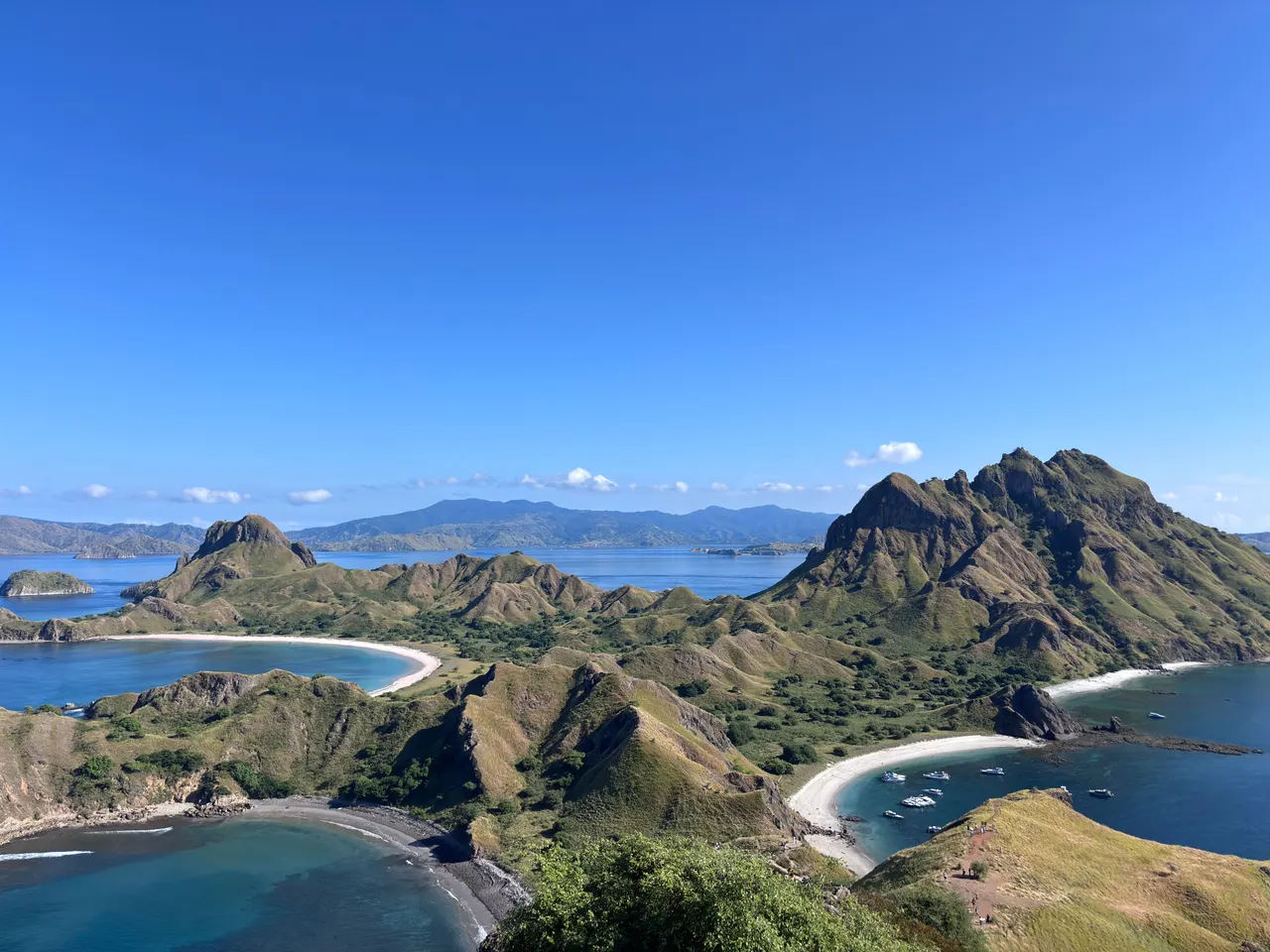
Indonesia
Island freedive desks a traveler can find
Visitor islands have schools that sell courses and guided dives in English. Conditions are week-friendly. Scuba shops on the same coast do not count unless freediving is actually on the board.
- Findable schools
- Guided sessions you can book
- Water built for a visiting week
The vibe
Dropping along deep reef walls on a single breath feels intensely meditative in these warm, incredibly clear tropical waters. The shoulder seasons between monsoon shifts often provide the stillest surface conditions for depth training. You will find a tight-knit, welcoming community of breath-hold enthusiasts sharing tips on local beaches and stretching on shaded decks.

Alor Archipelago
Nusa Tenggara Timur
Sims8899 / Wikimedia Commons (CC BY-SA 4.0)
Known for its pristine, crystal-clear water and deep volcanic slopes, the Alor region provides a quiet, undisturbed environment for deep-line training. The topography is rugged and steep, dropping rapidly into the deep channels of the Pantar Strait.
Access. Best accessed via specialized dive resorts in Kalabahi; limited but high-quality freediving support available.
Notes. Remote location; requires careful planning for medical evacuation and logistics.
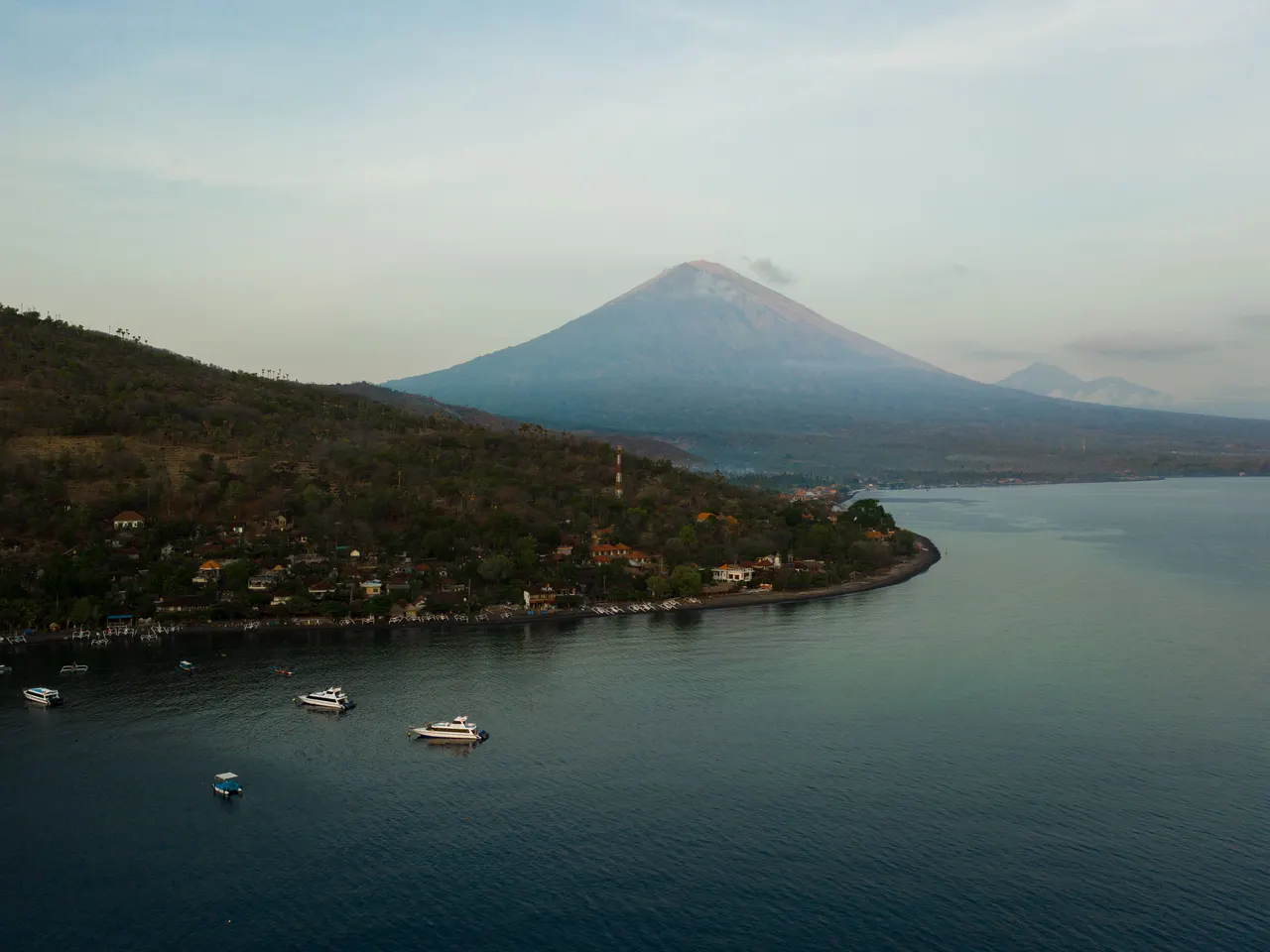
Amed, Bali
Bali
Mikhail Nilov · Pexels
Amed offers crystal‑clear waters with gentle slopes over vibrant coral reefs, ideal for breath‑hold dives from the shore or small boats. The area’s calm conditions and abundant marine life make it a favorite spot for freedivers seeking relaxed reef explorations.
Access. Freediving schools such as Freedive Bali and Amed Freediving run regular courses and daily guided dives; most operators can be booked from the Amed harbor or via local guesthouses.
Notes. Occasional fishing boat traffic in the early morning; stay within the designated marine park zones to protect the reef.

Bangka Island, North Sulawesi
North Sulawesi
Jean-Paul Boerekamps / Wikimedia Commons (CC0)
Bangka Island features vibrant, untouched coral reefs and pinnacles that are perfect for shallow-to-mid-depth freediving exploration. The clear water and lack of heavy boat traffic create a serene environment for breath-hold reef sessions.
Access. Freediving-focused eco-resorts on the island provide guided boat trips to the best reef sites and private buoy setups.
Notes. Remote location requires travel via Manado; tidal currents can be significant.

Batu Bolong
Nusa Tenggara Timur
Justin Philbois / Wikimedia Commons (CC0)
A spectacular pinnacle rising from the depths of the Komodo National Park, offering incredible vertical topography for advanced freedivers. The site is teeming with pelagic life and dense schools of fish, benefiting from the nutrient-rich currents of the strait.
Access. Requires a liveaboard or day-trip boat charter from Labuan Bajo; professional guides are mandatory due to current intensity.
Notes. Extremely strong, unpredictable currents; only suitable for highly experienced freedivers.

Cape Kri
Southwest Papua
Earth Science and Remote Sensing Unit , Lyndon B. Johnson Space Center / Wikimedia Commons (Public domain)
Located in the heart of the Dampier Strait, this area offers some of the highest marine biodiversity in the world. Freedivers can explore the massive reef structures and deep channels that hold an incredible density of schooling fish and large pelagics.
Access. Accessible via local homestays or dive resorts on Kri Island; boat support is essential for navigating the strait.
Notes. Currents can be very powerful; timing dives with slack tide is critical.

Crystal Bay, Nusa Penida
Bali
Magul / Wikimedia Commons (CC BY-SA 4.0)
Crystal Bay offers exceptional water clarity and a dramatic underwater topography that drops off into deep channels. It is a premier location for freedivers to practice in a blue-water environment with the potential for iconic pelagic encounters.
Access. Multiple dedicated freediving centers operate on Nusa Penida, offering guided boat trips and line-training sessions specifically for the bay's conditions.
Notes. Strong currents and cold thermoclines are common; advanced breath-hold experience is required.

Derawan Islands, East Kalimantan
East Kalimantan
consigliere ivan from Bontang, Indonesia / Wikimedia Commons (CC BY 2.0)
The Derawan archipelago is famous for its unique marine life encounters, specifically the ability to freedive with stingless jellyfish in land-locked lakes and sea turtles in the open reef. The water is exceptionally clear, offering a surreal experience for breath-hold divers.
Access. Local freediving operators based in Derawan village organize daily trips to the jellyfish lakes and surrounding reef walls.
Notes. Strict conservation rules apply to the jellyfish lakes; fins are often prohibited to protect the environment.

Gapang Beach, Weh Island
Aceh
prilfish from Vienna, Austria / Wikimedia Commons (CC BY 2.0)
Gapang Beach provides immediate access to deep water directly from the shore, making it ideal for constant-weight training. The area is known for its calm, clear waters and a thriving community of freediving enthusiasts.
Access. Several specialized freediving schools are located directly on the beach, providing buoy rentals and organized training sessions.

Gili Meno Wall
West Nusa Tenggara
Jorge Láscar from Melbourne, Australia / Wikimedia Commons (CC BY 2.0)
A world-renowned freediving hub featuring a dramatic drop-off that allows for immediate access to deep water from the shore. The site is famous for its resident sea turtles and excellent visibility, making it a primary training ground for freedivers of all levels.
Access. Numerous dedicated freediving schools are based on Gili Meno and Gili Trawangan, offering boat-assisted training and shore-entry guidance.
Notes. Strong currents can occur between the islands; always check local conditions and dive with a buoy.

Tulamben Drop-off
Bali
yeowatzup / Wikimedia Commons (CC BY 2.0)
This site features a steep volcanic wall that plunges into deep water, providing an ideal environment for constant-weight training. The area is characterized by calm, clear waters and a vibrant reef ecosystem that thrives along the underwater cliff face.
Access. Easily accessible via shore entry from the beach; several freediving centers operate in Tulamben and Amed.
Notes. Popular with scuba divers; maintain awareness of bubble curtains and boat traffic near the shore.