
Freediving in Australia
Including Blairgowrie Pier, Direction Island 'The Rip', and Flinders Pier. On the map.
The vibe
Freediving here is a niche pursuit, with strong currents and deep, open waters that challenge even seasoned divers. The summer months provide the most stable conditions for long, uninterrupted dives. Enthusiasts usually connect through small local clubs or organised events, keeping the experience intimate and community‑driven.

Blairgowrie Pier
Victoria
Blairgowrie Pier — Wikidata / Wikimedia Commons
A legendary shallow-water site underneath a massive wooden pier structure wrapped in kelp, sponges, and schooling fish. It is a haven for macro freediving, underwater photography, and spotting resident octopus and rays.
Access. Located on the Mornington Peninsula in Victoria, with easy drive-up parking and convenient stairs directly into the water.
Notes. Active recreational fishing pier; watch out for fishing lines and boat traffic near the end.

Direction Island 'The Rip', Cocos (Keeling) Islands
Cocos (Keeling) Islands
David Stanley from Nanaimo, Canada / Wikimedia Commons (CC BY 2.0)
The Rip is a world-renowned drift snorkeling and freediving site located between Direction Island and Home Island. Freedivers take advantage of the incoming tide to glide through the channel, observing massive schools of fish, reef sharks, and vibrant coral formations in high-clarity water.
Access. Accessible by local ferry or private boat charter from West Island; guided freediving trips are available through specialized local operators.
Notes. The current can be extremely powerful; this site is strictly for experienced freedivers comfortable with drift diving conditions.

Flinders Pier
Victoria
DenisFrolow / Wikimedia Commons (CC BY-SA 4.0)
Flinders Pier offers calm, protected waters with rich marine biodiversity right along its famous wooden pylons. Freedivers frequently explore the shallow to moderate depths here to encounter weedy seadragons, leatherjackets, and rays in clear southern Victorian waters.
Access. Easily accessible via a shore entry right from the pier steps. Independent freedivers and local Melbourne breath-hold clubs regularly run weekend sessions here.
Notes. Tidal currents can pick up around the outer end of the pier, and recreational fishing lines are common near the pylons.

Flying Fish Cove
Christmas Island
Paul McFarlane / Wikimedia Commons (CC BY-SA 2.0)
Flying Fish Cove offers incredible water visibility often exceeding 30 meters right off the shore. Freedivers enjoy a dramatic drop-off close to land with abundant reef life and pelagic species cruising the blue water.
Access. Easily accessible via shore entries from the main settlement area, with local dive operators and freediving enthusiasts organizing coastal sessions.
Notes. Watch out for boat traffic near the main jetty and occasional surge during north-westerly swells.
Jervis Bay
New South Wales
Photo by Stuart Robinson on Pexels
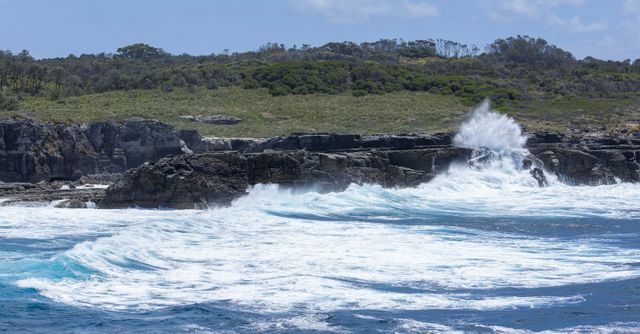
Boasting some of the clearest white-sand coastal waters in Australia, Jervis Bay features pristine rocky reefs, kelp forests, and regular encounters with stingrays and dolphins. The sheer depth outside the bay and protected inner coves cater to diverse breath-hold disciplines.
Access. Located a 3-hour drive south of Sydney. Local operators run boat trips to offshore islands and reefs, while shore entries are easily accessible from Murrays Beach.
Notes. Exposed to southerly swells; check conditions before attempting open-water sessions.

Julian Rocks
New South Wales
JulianGWilson / Wikimedia Commons (CC BY-SA 4.0)
A world-class marine reserve where tropical and temperate currents meet, creating a vibrant convergence zone. Freedivers regularly encounter manta rays, leopard sharks, sea turtles, and massive schools of pelagic fish over rocky pinnacles.
Access. Accessed via a short 10-minute boat ride from the main beach in Byron Bay. Several local dive centers run dedicated freediving boat excursions.
Notes. Strong currents and shifting conditions require good breath-hold comfort and boat support.

Lord Howe Island Lagoon
New South Wales
Fanny Schertzer / Wikimedia Commons (CC BY 2.5)
Encircled by the southernmost coral reef in the world, the calm crystal-clear lagoon waters provide pristine conditions for breath-hold exploration. Freedivers can glide over delicate coral gardens and swim alongside abundant endemic reef fish species.
Access. Accessible via local eco-lodges and specialized marine operators on the island offering guided snorkel and freedive excursions.
Notes. Strict marine park regulations apply across the entire UNESCO World Heritage marine park zone.

Ningaloo Reef
Western Australia
Earth Science and Remote Sensing Unit, NASA Johnson Space Center / Wikimedia Commons (Public domain)
A fringing reef system stretching over 260 kilometers, famous for seasonal aggregations of whale sharks, manta rays, and humpback whales. The crystal-clear shallow lagoon and blue water drop-offs provide world-class breath-hold encounters.
Access. Fly to Learmonth Airport and base yourself in Exmouth or Coral Bay. Day charter boats operate regular snorkel and freediving excursions onto the outer reef.
Notes. Strict government regulations apply to interactions with protected megafauna like whale sharks.

Portsea Pier
Victoria
Kgbo / Wikimedia Commons (CC BY-SA 4.0)
Famous for encounters with spectacular soft corals, sponges, and the iconic weedy seadragon, Portsea Pier provides sheltered shallow water diving. Freedivers appreciate the structured pylons and rich macro life within the Victorian marine sanctuary.
Access. Located at the tip of the Mornington Peninsula, about a 1.5-hour drive from Melbourne. Pier entry is straightforward, with local dive shops nearby in Melbourne providing courses and gear.
Notes. Watch out for boat traffic near the end of the pier and strong tidal currents running through the channel.

Shelly Beach, Manly
New South Wales
Maksym Kozlenko / Wikimedia Commons (CC BY-SA 3.0)
Protected within the Cabbage Tree Bay Aquatic Reserve, Shelly Beach offers clear water and a rocky reef ecosystem teeming with marine life. It is Sydney's premier shore-diving and freediving training spot, offering easy access to depths up to 12 meters.
Access. A short walk from Manly Wharf via the coastal scenic walkway. Several local freediving schools operate out of Manly, offering shore-based training and gear rentals.
Notes. Can get crowded on weekends with snorkelers and scuba divers. Respect marine park no-take rules.

Solitary Islands Marine Park
New South Wales
Pleiadesjump / Wikimedia Commons (CC BY-SA 4.0)
Where the warm East Australian Current meets cooler temperate waters, creating a vibrant underwater playground of rocky reefs and drop-offs. Freedivers visit to experience rich pelagic life, manta rays, and dense schools of fish over striking benthic topography.
Access. Reached via dedicated marine operators and boat charters running out of Coffs Harbour or Woolgoolga.
Notes. Open ocean conditions with potential for strong currents and surge around the island bommies.