
Food culture in Vietnam
Vietnam
Street quarters you eat by walking
Named food streets and markets are public and dense. A visitor sits down without an insider list. The scene is the neighbourhood, not one restaurant.
- Walk-up food streets
- Markets a traveler can use
- Cooking worth the trip
The vibe
Pulling up a tiny plastic stool on a busy sidewalk for steaming broth or charcoal-grilled pork puts you right in the middle of a sensory-heavy culinary culture unlike anywhere else. It is a year-round affair dictated more by sudden tropical downpours than the calendar, keeping you ducking under awnings to finish your bowl. Most of the best eating happens right on the street shoulder-to-shoulder with locals, though you can easily mix in lantern-lit dining rooms when you want to linger over shared plates.

Ben Thanh Market, Ho Chi Minh City
Ho Chi Minh City
www.viajar24h.com from World / Wikimedia Commons (CC BY 2.0)
A landmark market in the heart of the city known for its diverse food stalls offering the best of Southern Vietnamese cuisine. It is a primary destination for travelers to try iconic dishes like banh xeo, spring rolls, and iced coffee in a high-energy, historic setting.
Access. Located in District 1; the market is a central transit point and easily walkable from major city attractions.
Notes. Prices can be higher due to tourist popularity; be prepared to negotiate or stick to the clearly marked food court stalls.

Da Lat Night Market, Da Lat
Lâm Đồng Province
The Erica Chang / Wikimedia Commons (CC BY 3.0)
A high-altitude market destination famous for its cool-climate street food, including grilled rice paper pizzas (banh trang nuong) and soy milk stalls. The market is the social hub of the city, where locals and travelers gather to eat in the crisp mountain air.
Access. Located in the center of Da Lat; the market fills the main square and surrounding streets every evening.
Notes. Bring a jacket as temperatures drop significantly at night; the market is best enjoyed on foot.

Dong Ba Market, Hue
Phú Xuân Ward
Alice Young youngalicesalvatore / Wikimedia Commons (CC0)
The largest market in the former imperial capital, renowned for its extensive variety of Hue-style royal and street snacks. Travelers visit specifically for the 'bun bo hue' and the intricate range of local cakes (banh) that are unique to this central region.
Access. Located along the Perfume River; easily reached by taxi or bicycle from the city center.
Notes. The food section is tucked away in the back; it is highly authentic and offers a deep dive into Hue's complex spice profile.

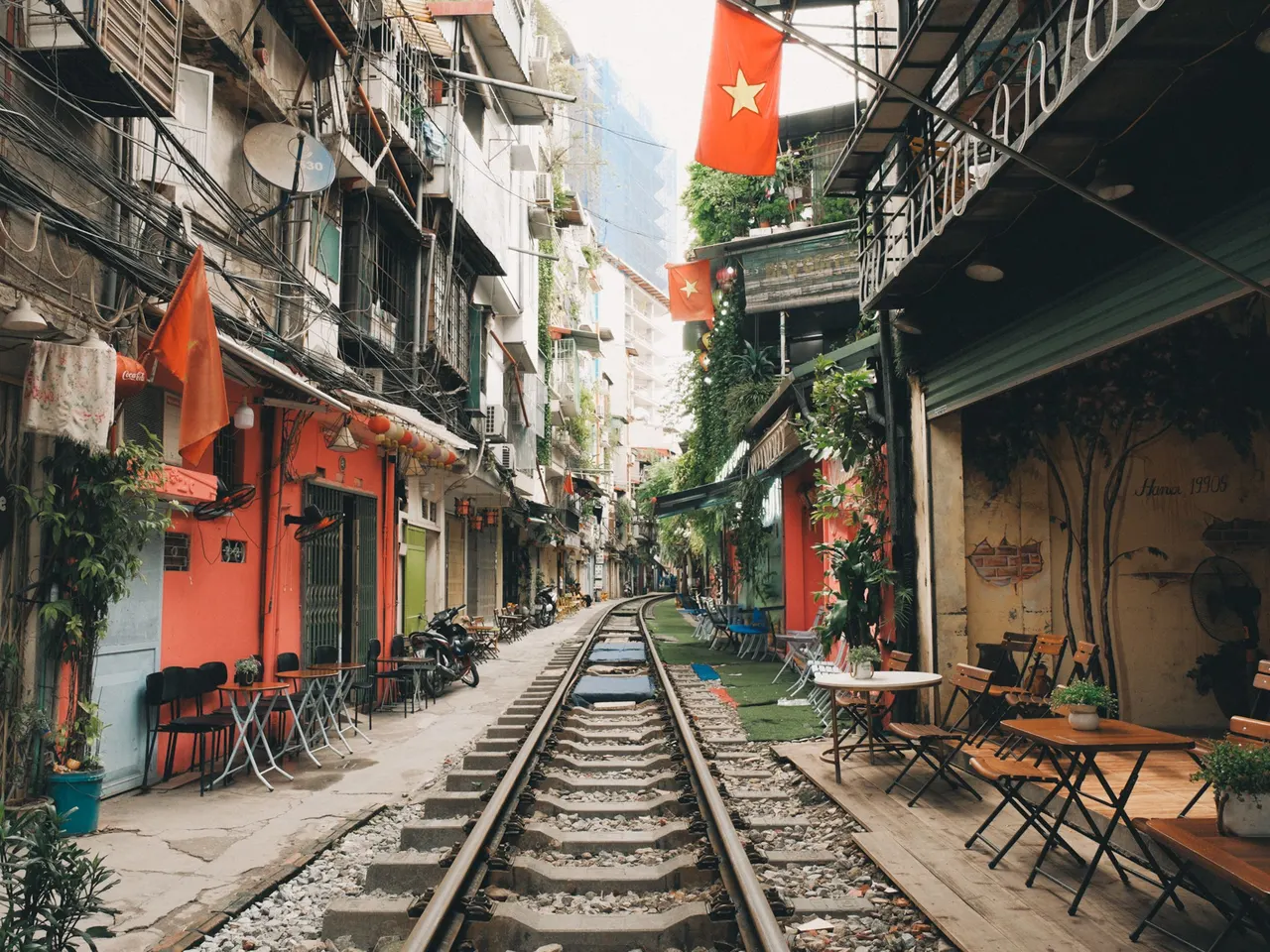
Old Quarter, Hanoi
Hà Nội
Alexkom000 / Wikimedia Commons (CC BY 4.0)
The epicenter of Northern Vietnamese street food culture, where narrow alleyways are packed with plastic stools and steaming pots of pho and bun cha. It is a sensory overload of charcoal smoke, fresh herbs, and centuries-old culinary traditions served right on the sidewalk.
Access. Located in the heart of Hoan Kiem district; best explored by walking through the labyrinthine streets like Hang Buom or Hang Chieu.
Notes. Visit early morning for breakfast pho or late evening for bia hoi and grilled snacks. Hygiene varies; stick to stalls with high turnover and visible cooking processes.

Vinh Khanh Seafood Street, Ho Chi Minh City
Ho Chi Minh City
trungydang / Wikimedia Commons (CC BY 3.0)
A legendary thoroughfare in District 4 dedicated entirely to 'oc' (snail) and seafood culture. The street is lined with open-air eateries serving everything from grilled scallops to spicy razor clams, embodying the city's vibrant nightlife and communal dining spirit.
Access. Located in District 4, a short taxi ride from the city center; best visited after 7 PM.
Notes. The atmosphere is loud and energetic; it is a quintessential local experience for seafood lovers.