
Food culture in Spain
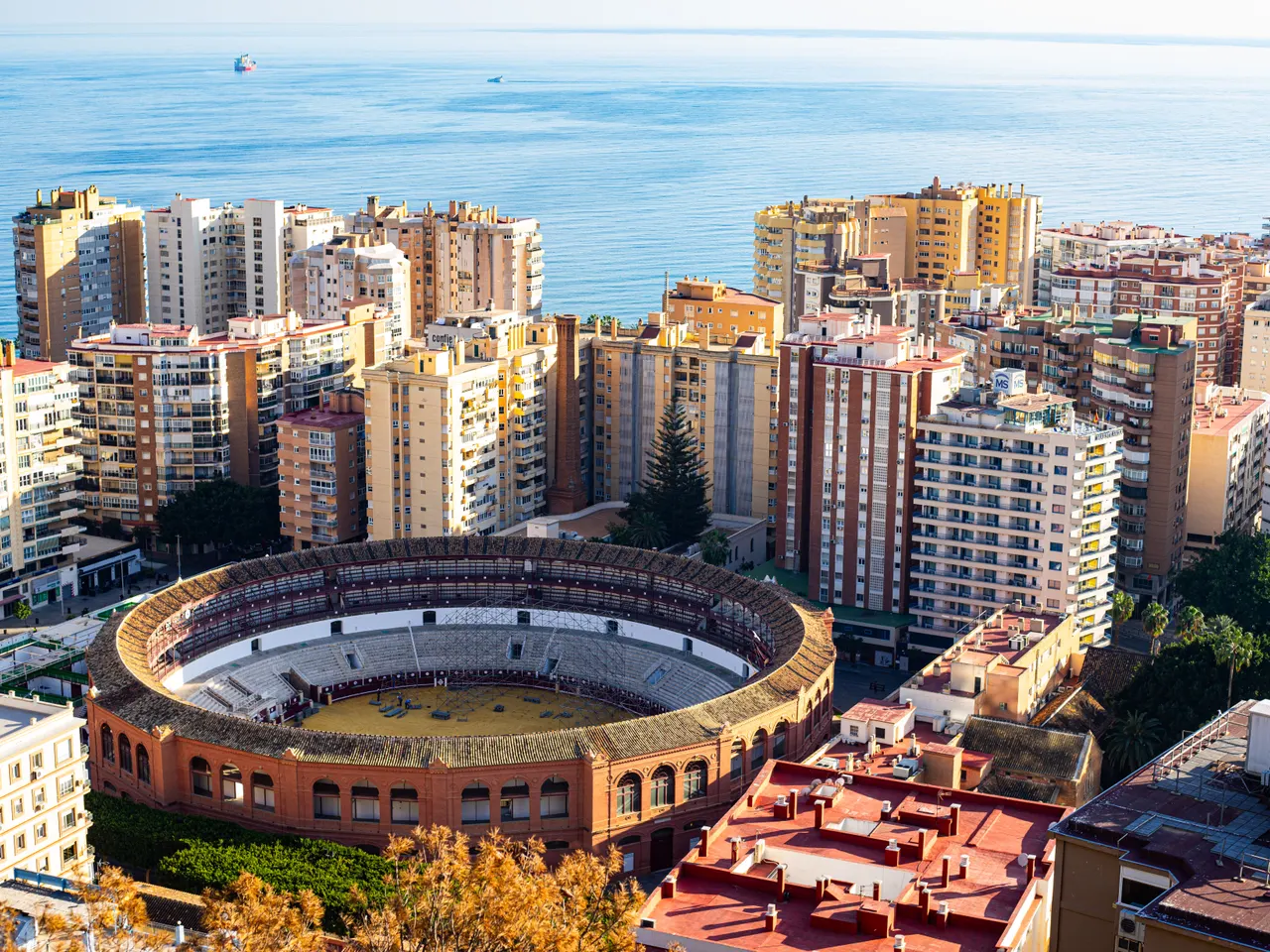
Spain
Market halls and bar streets built for grazing
Food is a public grid — markets, pintxo and tapas streets a visitor walks. Sit-down bookings exist; they are not the only path. The scene is why you came.
- Walk-up bar streets
- Market halls
- Eating as the neighbourhood
The vibe
Eating here revolves around long, loud tavern crawls where your plate changes at every stop and dinner barely starts before midnight. Summer nights turn outdoor terraces into a humming social grid, while winter afternoons draw you inside for heavy stews and steaming seafood by the coast. It is deeply unpretentious and thoroughly local once you step away from the English menus on the main drag, though knowing a bit of the language helps secure the best stools.

El Perchel & Huelin Seafood Quarters, Málaga
Andalusia
Tyk / Wikimedia Commons (CC BY-SA 3.0)
These traditional fishing neighborhoods are famous for the 'espeto de sardinas'—sardines skewered on bamboo and roasted over open beach fires. It is the definitive place to experience the authentic coastal food culture of the Costa del Sol.
Access. Located along the seaside promenade of Málaga; best accessed by walking or local bus from the city center.
Notes. Look for the 'moragas' or beach chiringuitos where the fire pits are visible on the sand.

Mercado Central, Valencia
Valencian Community
Javier Gzz Zapatero / Wikimedia Commons (CC BY-SA 3.0 es)
One of Europe's largest and most beautiful markets, this Art Nouveau masterpiece is the place to discover the ingredients behind authentic Valencian paella. It is a bustling hub for fresh citrus, saffron, and local seafood.
Access. Located in the Ciutat Vella district of Valencia, opposite the Lonja de la Seda.
Notes. The market closes in the early afternoon, so plan for a morning visit.

Mercado de San Miguel, Madrid
Community of Madrid
Tiia Monto / Wikimedia Commons (CC BY-SA 3.0)
A stunning iron-structured market that has evolved into a premier gourmet destination in the heart of Madrid. It offers a sophisticated take on the traditional market, focusing on high-end tapas, regional wines, and artisanal Spanish delicacies.
Access. Situated just off Plaza Mayor in central Madrid; easily reached by foot from Sol or Opera metro stations.
Notes. It is a popular evening spot for 'tapeo' (tapas crawling); expect it to be very busy during weekends and late evenings.

Mercado de Triana, Seville
Andalusia
Gzzz / Wikimedia Commons (CC BY-SA 3.0)
Situated across the river in the historic pottery district, this market offers a more local, authentic experience than the city center. It is known for its excellent selection of Iberian ham, local cheeses, and small stalls serving traditional Andalusian tapas.
Access. Located at the end of the Isabel II bridge in the Triana neighborhood.
Notes. Combine a visit with a walk through the surrounding streets known for traditional flamenco and ceramic workshops.

Mercat de Sant Josep de la Boqueria, Barcelona
Catalonia
S.F / Wikimedia Commons (CC BY 3.0)
Located off the iconic La Rambla, this historic market is the beating heart of Barcelona's culinary scene. It is world-renowned for its vibrant stalls overflowing with fresh Mediterranean produce, jamón ibérico, and small tapas bars that serve immediate, high-quality bites.
Access. Located in the Ciutat Vella district of Barcelona; accessible by walking from the Liceu metro station.
Notes. Arrive early in the morning to avoid the heavy tourist crowds and see the market in its most authentic state.

Mercat de l'Olivar, Palma de Mallorca
Balearic Islands
Mercat de l'Olivar.JPG — Wikimedia Commons (CC BY-SA 3.0)
The main culinary hub of Mallorca, featuring a vast fish hall and stalls selling local specialties like ensaïmadas and sobrassada. It is the best place to see the diversity of Balearic island cuisine.
Access. Located in the center of Palma, near the Plaza de España.
Notes. The fish market section is particularly impressive and is best visited before noon.

Parte Vieja (Old Town), San Sebastián
Autonomous Community of the Basque Country
Xabier Cañas Argazkilaria: Mikel López / Wikimedia Commons (CC BY-SA 2.0)
The world capital of pintxos, where every bar in the dense Old Town serves its own signature bite-sized culinary masterpiece. It is a legendary destination where the culture revolves around moving from bar to bar, pairing small snacks with local Txakoli wine.
Access. Located in the historic center of San Sebastián; entirely pedestrianized and best explored on foot.
Notes. The local custom is to order one drink and one pintxo per bar before moving to the next.

Rúa Pescadería (Oyster Street), Vigo
Galicia
D.Rovchak / Wikimedia Commons (CC BY-SA 4.0)
A legendary street in the heart of Vigo's old town where local oyster sellers serve fresh shellfish directly from the nearby Rías Baixas. It is a raw, unpretentious, and deeply authentic seafood experience.
Access. Located in the Casco Vello (Old Town) of Vigo, near the port.
Notes. Best enjoyed with a glass of local Albariño wine at the nearby outdoor tables.