
Fishing in United States
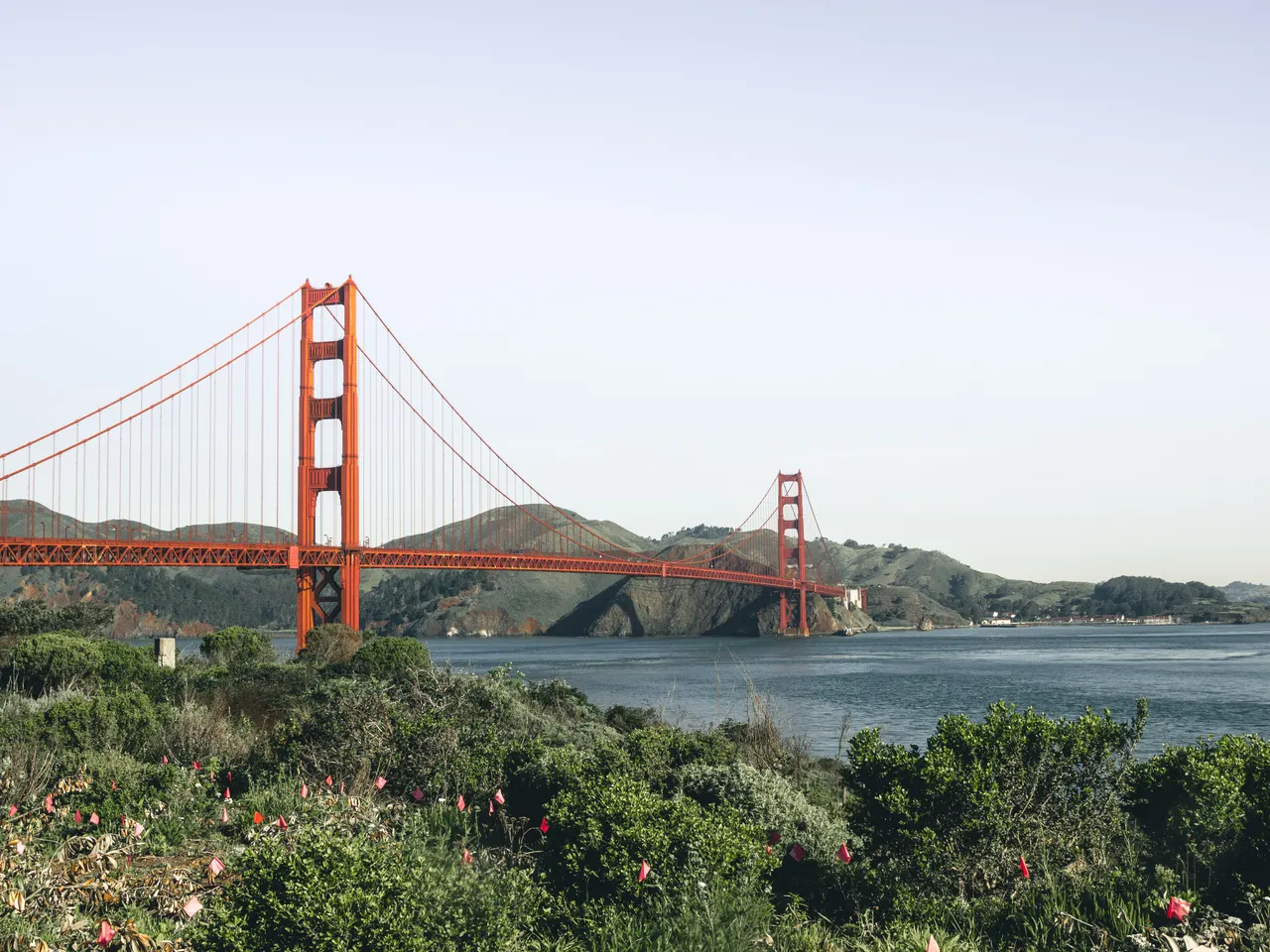
United States
Walk up to a charter or buy a licence at the shop
Florida, the Gulf, and other coasts sell guided fishing like any other day out — piers, inshore boats, and offshore if you want it. Shore and jetty fishing is documented and public. A state saltwater licence is the usual path and is easy to get before you sail.
- Walk-up and booked charters
- Easy visitor licence
- Shore and boat in the same week
The vibe
Casting a line here spans everything from quiet mountain streams for trout to heavy saltwater angling in the deep blue. Early mornings during the spring and summer months offer the peak action when the water is active and the weather cooperates. It is an extremely well-trodden visitor path with endless outfitters ready to set you up, though you will need to sort out the paperwork beforehand.
state fishing license

Block Island Sound and Narragansett Bay
Rhode Island
Charles Blaskowitz by Commission of the Principal Farmer of Aquidneck Island 1777 / Wikimedia Commons (Public domain)
A rich New England marine ecosystem known for exceptional saltwater surfcasting, rocky point fishing, and boat charters targeting striped bass, bluefish, and fluke.
Access. Shore fishing is available from public beaches and jetties. Party boats and private charters operate out of Point Judith and Newport.
Notes. Rhode Island salt water fishing license (RIMF) required. Size limits and seasonal bag limits apply strictly to striped bass.
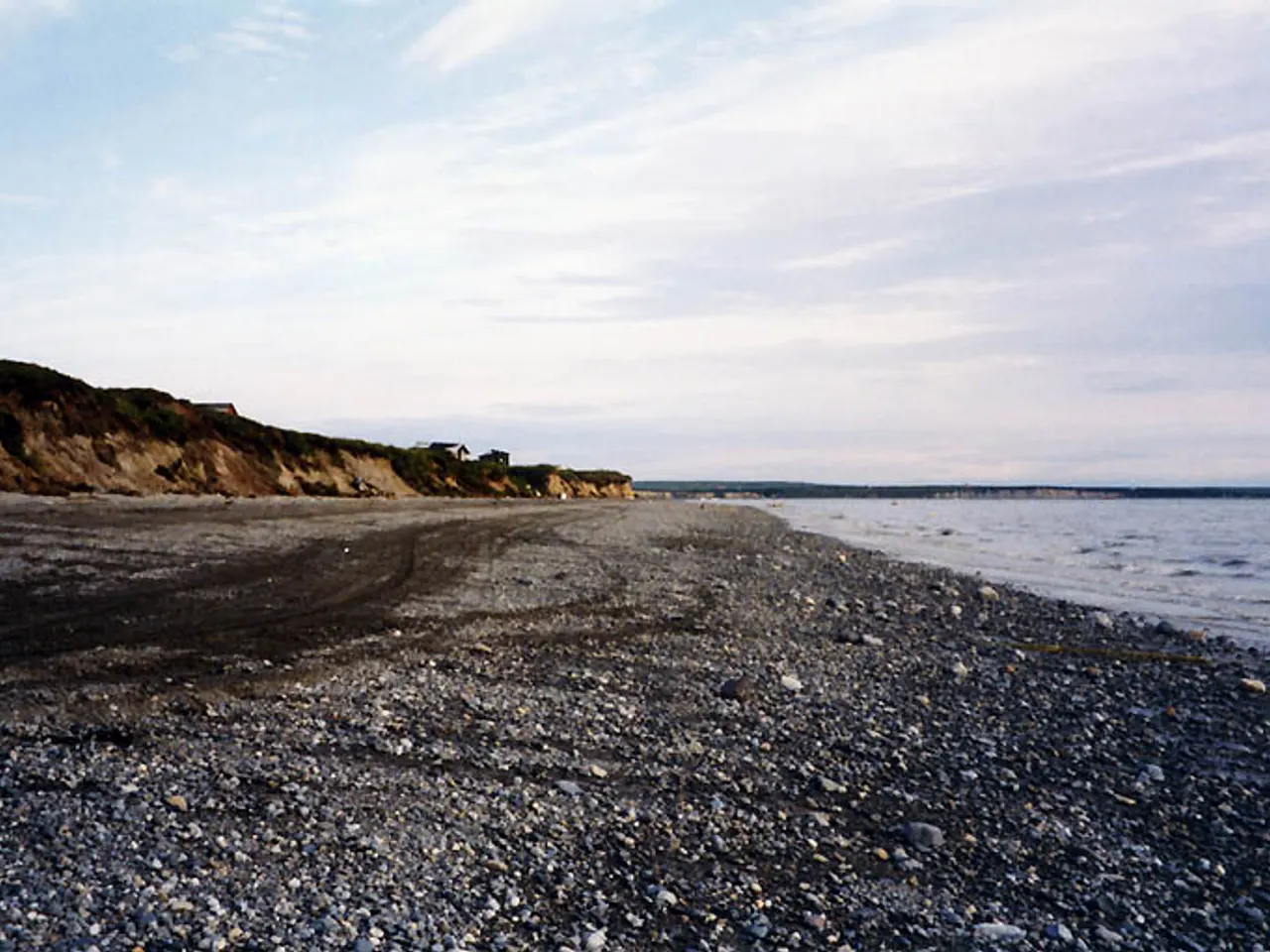
Bristol Bay, Alaska
STAN Shebs · Wikimedia Commons
Bristol Bay is a vast saltwater inlet on Alaska’s west coast, famed for its world‑class sockeye and king salmon runs. Anglers can chase trophy fish in deep, cold waters, with halibut and cod also abundant. The area is a hotspot for adventure fishing, drawing visitors from around the globe.
Access. Charter companies operate from nearby towns such as Cordova, King Salmon, and Port Heiden, offering guided multi‑day trips, boat rentals, and gear supplies. Visitors can also join local fishing clubs or arrange private tours with experienced guides.
Notes. A valid Alaska state fishing license is required for all anglers. Seasonal limits apply: sockeye fishing is typically open from late May to early September, with specific catch limits per license. Certain protected zones exist near critical spawning habitats; check the Alaska Department of Fish and Game regulations before heading out.

Cape Hatteras, Outer Banks
North Carolina
Cape Hatteras National Seashore / Wikimedia Commons (Public domain)
A legendary surf-casting and offshore destination where the cold Labrador Current meets the warm Gulf Stream, producing massive red drum, bluefish, and pelagic gamefish.
Access. Surf casting is accessible directly from miles of public beaches via 4WD vehicles. Charter fleets operate out of Oregon Inlet and Hatteras village.
Notes. North Carolina coastal fishing license required. Size and bag limits are strictly enforced for red drum and striped bass.

Choctawhatchee Bay and Destin Waters
Florida
MICHAEL BROWN from Franklin, Tennessee, USA / Wikimedia Commons (CC BY 2.0)
The 'World's Luckiest Fishing Village' offers an incredible combination of inshore bay fishing for speckled trout and redfish, alongside nearshore reef fishing for snapper and mackerel.
Access. Charter boats depart daily from Destin Harbor. Kayak and skiff rentals are available for inshore flats and bayous.
Notes. Florida saltwater fishing license required. Federal and state bag limits and seasonal closures apply to reef species like red snapper.

Coosawattee River
Georgia
John Phelan / Wikimedia Commons (CC BY 4.0)
Located in the North Georgia mountains, the Coosawattee River is a scenic destination for trout fishing, particularly for those interested in fly fishing. The river's cool, clear waters support healthy populations of rainbow and brown trout.
Access. Access is available through various public parks and designated river access points. Local fly shops in nearby towns like Ellijay provide guided trips and gear rentals.
Notes. A Georgia fishing license plus a trout stamp is required. Some sections may be subject to seasonal closures or catch-and-release regulations; always verify current DNR guidelines.

Islamorada, Florida Keys
Florida
Islamorada, Florida — Wikipedia
Islamorada is a premier deep‑sea fishing destination on the Florida Keys, famed for its abundant tarpon, bonefish, and snapper. Anglers flock here for trophy‑size game and the vibrant reef ecosystem that supports a diverse marine life. The area is known for its well‑established charter fleet and year‑round fishing opportunities.
Access. Charters depart from the local marina; guided trips, gear rental shops, and easy access from Key West or Marathon make it visitor‑friendly.
Notes. A Florida fishing license is required for all anglers over 16; tarpon fishing is restricted from May 1 to July 31. No special permits are needed for most species.

Kenai River, Alaska
Alaska
tw_mack / Wikimedia Commons (CC BY 3.0)
World-famous glacial river renowned for massive king salmon, silver salmon, and hard-fighting rainbow trout. Anglers fish from riverbanks or drift boats through dramatic Alaskan wilderness.
Access. Accessible via roadside pullouts and state parks near Soldotna. Guided river boat charters are widely available for visitors.
Notes. Alaska sport fishing license and king salmon stamp required. Emergency orders and strict bag limits change frequently to protect wild runs.
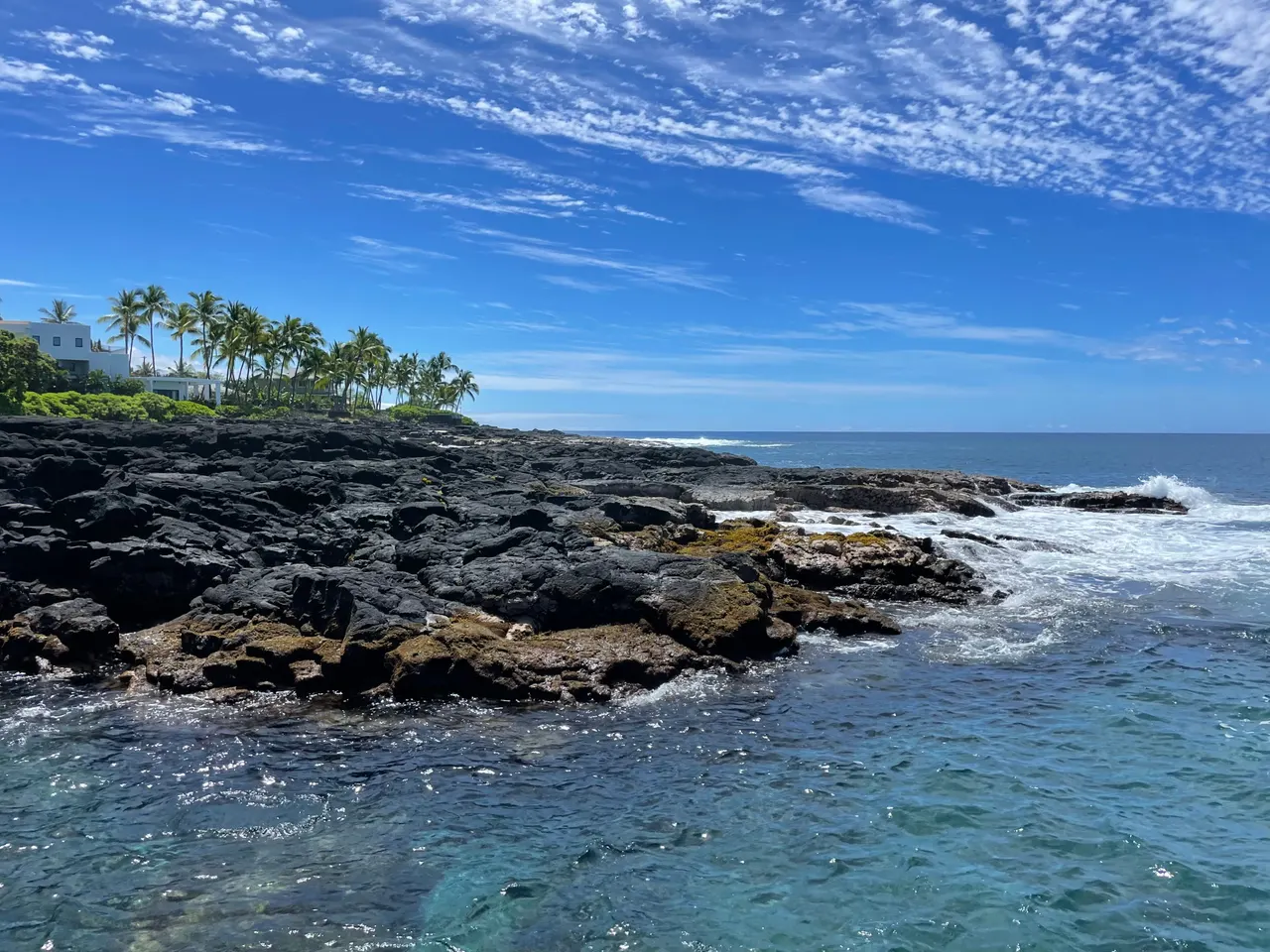
Kona Coast
Hawaii
Petra Nesti · Pexels
The Kona Coast offers a mix of surf, reef, and deep‑sea fishing opportunities. Anglers can target species such as mahi‑mahi, tuna, and reef bass, and the area is famed for its abundant marine life and clear waters. The region’s long‑standing tradition of fishing charters makes it a popular destination for both seasoned and novice anglers.
Access. Shore fishing is possible from Honaunau Bay and nearby beaches, while a wide range of local charters offer deep‑sea trips to tuna, mahi‑mahi, and reef species. Gear rental shops and fishing schools are available in Kona town.
Notes. A visitor fishing license is required for all commercial fishing activities; a state permit can be obtained at the Kona Visitor Center. Seasonal closures apply for certain species during spawning periods.

Lake Fork, Texas
Texas
wsf / Wikimedia Commons (CC BY-SA 3.0)
The premier trophy largemouth bass reservoir in the United States, famous for producing exceptionally large bass amidst flooded timber, creek channels, and sub-surface structure.
Access. Multiple public boat ramps, marinas, and private fishing guides operate around the lake. Boat rental is recommended.
Notes. Texas freshwater fishing license required. Strict catch-and-release rules apply to trophy-sized largemouth bass to protect the fishery.

Lake Lanier
Georgia
edgardo.campos@ymail… / Wikimedia Commons (CC BY 3.0)
Lake Lanier is Georgia's most prominent freshwater reservoir, renowned for its high-quality striped bass and spotted bass fishing. The sprawling lake features numerous coves and deep-water structures that attract anglers year-round.
Access. Numerous public boat ramps and private marinas provide access to the water. Professional fishing guides operate daily, offering specialized trips for trophy-sized stripers.
Notes. A valid Georgia fishing license is mandatory. Visitors should check the Georgia DNR website for specific daily catch limits and size restrictions for bass species.

Madison River, Montana
Montana
NASA / Wikimedia Commons (Public domain)
One of America's premier blue-ribbon trout streams, renowned for its prolific hatches and heavy populations of wild brown and rainbow trout. Anglers wade the riffles or drift classic runs against a stunning mountain backdrop.
Access. Easily accessible via numerous public access points along US Highway 287. Local fly shops in Ennis offer gear, guided float trips, and expert advice.
Notes. Montana fishing license required. Seasonal regulations, catch-and-release stretches, and barbless hook rules apply on certain sections.

Merizo Pier and Cocos Lagoon Waters
Guam
Abmertbrennan / Wikimedia Commons (CC BY-SA 4.0)
The southern tip of Guam near Merizo (Malesso) and the waters surrounding Cocos Lagoon provide calm reef flats and pier fishing opportunities. Visitors target smaller reef species and trevally using light tackle and bottom rigs. It is a scenic area favored by anglers looking for relaxed shore-based sessions.
Access. Merizo Pier is publicly accessible for walk-in fishing. Boat access to outer Cocos Lagoon reefs requires local water taxis or small charter rentals.
Notes. Check local advisories regarding ciguatera in certain larger reef species, and adhere to regional catch and size limits.

San Juan River (Quality Waters), New Mexico
New Mexico
Thallheimer, Arnold , photographer / Wikimedia Commons (Public domain)
A legendary tailwater stretch below Navajo Dam boasting high densities of large trout per mile. The clear, cold water makes for technical sight-fishing with dry flies and midges.
Access. Easy walk-and-wade access via well-maintained trails along the famous 'Quality Waters' stretch. Local fly shops in Navajo Dam offer gear and guiding.
Notes. New Mexico fishing license required. The Quality Waters stretch is strictly catch-and-release with artificial flies and barbless hooks only.

St. Simons Island
Georgia
Azaelpitti07 / Wikimedia Commons (CC BY-SA 3.0)
St. Simons Island offers exceptional inshore and nearshore fishing opportunities along its tidal creeks and expansive salt marshes. Anglers target red drum, spotted seatrout, and flounder, with the coastal waters providing a classic Southern saltwater experience.
Access. Visitors can book private fishing charters departing from the local marinas or fish from the public pier at Neptune Park. Tackle shops are readily available on the island to supply gear and local bait.
Notes. A Georgia recreational fishing license is required for all anglers aged 16 and older. Saltwater information and harvest regulations are strictly enforced by the Georgia Department of Natural Resources.

Tumon Bay Reef Flats
Guam
NJo / Wikimedia Commons (CC BY-SA 3.0)
Tumon Bay's shallow coral reefs and inner flats offer accessible shore fishing for reef species like trevally and emperors. Anglers often fish the outer reef margins and channels during favorable tides. It is a popular spot for casual local and visitor surf casting.
Access. Accessible directly from the shore around public beach parks. Wading equipment and light tackle can be sourced from local tackle shops in Hagåtña or Tumon.
Notes. Certain sections of Tumon Bay are designated marine preserves where all fishing is strictly prohibited; visitors must verify local Department of Agriculture boundary markers before casting.

Tybee Island
Georgia
Robert Scrivener III / Wikimedia Commons (CC BY 2.0)
Tybee Island provides a quintessential Atlantic surf-fishing experience, where anglers cast into the surf for whiting, pompano, and sharks. The island's jetties and beaches are popular spots for those looking to fish without a boat.
Access. Shore access is abundant along the public beaches and the Tybee Island Pier. Bait and tackle shops are located on the island, providing necessary supplies for surf casting.
Notes. A Georgia saltwater fishing license is required. Be mindful of beach regulations regarding fishing during peak swimming hours in the summer season.
White River, Arkansas
Arkansas
A tailwater fishery famous for trophy brown trout and abundant rainbow trout set against the scenic Ozark Mountains. The cold, clear flows provide consistent year-round angling.
Access. Wadeable access points exist below Bull Shoals Dam, while drift boats and guided float trips are standard for covering productive river miles.
Notes. Arkansas fishing license and trout permit required. Special catch-and-release regulations and barbless hook zones apply on trophy sections.