
Fishing in Spain
Including Costa Brava Coastline, Ebro River Delta, and Gran Canaria Coastal Waters. On the map.
The vibe
Casting lines into crashing Atlantic surf or quiet Mediterranean drop-offs carries a traditional, unhurried rhythm deeply rooted in coastal culture. Spring and autumn are favored for active runs, while summer provides pleasant early-morning and late-evening sessions on the water. The experience leans toward independent local outings or straightforward charter trips rather than overly commercialized tourist packages.
regional recreational fishing licence

Costa Brava Coastline
Spain
Jouni Kuisma , DiveCodex / Wikimedia Commons (CC BY-SA 4.0)
The rugged, rocky coves of the Costa Brava offer exceptional shore fishing for sea bream, dentex, and leerfish. The deep-water drop-offs near the cliffs allow for productive casting without the need for a boat.
Access. Accessible by foot from coastal towns like Begur or Cadaqués; many spots are reached via the Cami de Ronda hiking trails.
Notes. Requires a recreational shore fishing license (Llicència de pesca recreativa des de terra).

Ebro River Delta
Catalonia
Hans Hillewaert / Wikimedia Commons (CC BY-SA 3.0)
The Ebro Delta is a world-renowned destination for giant Wels catfish and massive carp in the freshwater stretches, transitioning to excellent saltwater fishing at the river mouth. It offers a unique mix of riverine and Mediterranean coastal angling experiences.
Access. Accessible via boat charters from Deltebre or Riumar; guides are highly recommended for navigating the river channels.
Notes. Requires a regional fishing license for Catalonia; catch-and-release is standard practice for the large catfish.
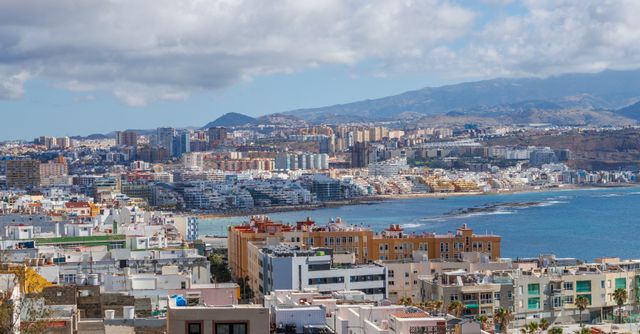
Gran Canaria Coastal Waters
Canary Islands
Photo by Canary Vista ES on Pexels
The volcanic structure of Gran Canaria creates steep drop-offs close to shore, making it a hotspot for big-game fishing including blue marlin, wahoo, and tuna. Shore anglers target parrotfish and various species of rays from the rocky piers.
Access. Deep-sea charters are abundant in Puerto Rico and Pasito Blanco; shore access is widespread along the southern coast.
Notes. Fishing licenses are required; specific regulations apply to protected species and minimum sizes.

Mallorca Inshore Waters
Balearic Islands
Santa Eugènia passant per la Cra de Sineu.JPG — Wikimedia Commons (CC BY-SA 3.0)
Mallorca offers diverse fishing, from trolling for mahi-mahi and tuna in the deeper channels to bottom fishing for grouper and snapper over the extensive rocky reefs surrounding the island.
Access. Numerous charter boats operate out of Palma, Port d'Andratx, and Alcúdia.
Notes. Fishing licenses are mandatory for both boat and shore fishing; certain marine reserves have strict no-take zones.

Pyrenees Mountain Streams
Catalonia
Josep Borrut / Wikimedia Commons (CC BY-SA 3.0)
The high-altitude rivers and glacial lakes of the Spanish Pyrenees, particularly around the Aigüestortes National Park, are legendary for wild brown trout. This is the heart of Spanish fly fishing, characterized by crystal-clear waters and challenging technical casting.
Access. Best accessed by car from towns like Vielha or Sort; many stretches require hiking to reach the best pools.
Notes. Strict catch-and-release zones are common; fishing licenses are required per province (e.g., Lleida).

Tajo River, Extremadura
Extremadura
jandiano / Wikimedia Commons (CC BY-SA 2.0)
The vast reservoirs along the Tajo River, such as Alcántara, are famous for massive black bass and pike. It is widely considered the best region in Spain for predator fishing in a freshwater reservoir setting.
Access. Best explored by boat; boat ramps are available in various towns along the reservoirs, with many local guides available.
Notes. Fishing licenses for the Extremadura region are required; catch-and-release is encouraged for trophy-sized fish.