
Wine & drink in Italy
Italy
Wine hills with doors that take guests
Named wine landscapes run visitor tastings and agriturismo. You book a slot or join a tour. Nightlife bars are a different desire; the trail is the point.
- Visitor cellar doors
- Tours between villages
- A tasting destination
The vibe
Drinking here is woven into the rhythm of the late afternoon aperitivo, where a glass of regional wine or a bitter spritz comes with a small plate of snacks and zero rush. September through October brings harvest energy to the vineyard hills, though terrace drinking happens year-round whenever the sun breaks. The vibe shifts seamlessly from gravel-lot wine estates where the winemaker pours the vintage to packed city corners where students spill out of tiny hole-in-the-wall bars.

Alto Adige Wine Region
Trentino – Alto Adige/Südtirol
Fentriss / Wikimedia Commons (Public domain)
A stunning alpine wine region where Italian and Austrian influences merge, producing crisp white wines and elegant reds. The landscape is defined by the dramatic Dolomites, offering a unique tasting experience in high-altitude valleys.
Access. Connected by the Brenner railway; Bolzano serves as the primary hub for exploring the surrounding valley vineyards.
Notes. The region is highly organized with well-mapped cycling and wine routes.

Barolo, Piedmont
Piedmont
Roberto Faccenda / Wikimedia Commons (CC BY-SA 2.0)
Barolo, nestled in the Langhe hills, produces some of Italy’s most prestigious Nebbiolo wines, known for their power and aging potential. The area’s vineyards are interwoven with medieval villages and gourmet restaurants.
Access. Fly into Turin, then drive or take a bus to the Langhe; many operators offer day‑long or multi‑day wine‑tour itineraries visiting top producers and the Barolo Wine Museum.
Notes. Autumn (October‑November) is ideal for harvest festivals; many wineries require advance booking for tastings.

Bassano del Grappa, Veneto
Veneto
Federico Beccari federize / Wikimedia Commons (CC0)
Bassano del Grappa is the historic heart of Italy’s grappa production, offering distilleries, tasting rooms, and the Grappa Museum where visitors learn about the spirit’s craft. The town’s alpine setting adds a scenic backdrop to the experience.
Access. Take a train to Vicenza, then a short bus or car ride to Bassano; many distilleries provide guided tours and tastings by appointment.
Notes. Winter months are colder but the indoor tastings remain pleasant; book ahead for larger groups.

Bologna Craft Beer Scene, Emilia‑Romagna
Emilia-Romagna
Mammamia / Wikimedia Commons (CC BY-SA 3.0)
Bologna has blossomed into a craft‑beer hotspot, with several micro‑breweries, taprooms, and the annual Bologna Beer Festival showcasing local and international brews. The city’s student vibe fuels a lively tasting culture.
Access. Fly or train into Bologna, then walk or bike to neighborhoods like Via del Pratello and the university district where most breweries cluster; guided brewery tours are also available.
Notes. The festival runs each September; many breweries require reservations for larger groups.

Cannonau, Sardinia
Sardinia
Hans Hillewaert / Wikimedia Commons (CC BY-SA 3.0)
Sardinia’s Cannonau wines, made from Grenache, thrive on the island’s volcanic soils and sunny climate, delivering robust, fruit‑forward reds. The region’s vineyards are often paired with coastal scenery and traditional Sardinian cuisine.
Access. Fly into Cagliari or Olbia, then rent a car to reach the inland wine districts of the south or north‑central island; local agriturismi offer cellar‑door tastings.
Notes. Summer can be hot; early autumn (September) is ideal for both weather and harvest events.

Castelli di Jesi, Marche
Marche
Parsifall / Wikimedia Commons (CC BY-SA 4.0)
The primary home of Verdicchio, one of Italy's most respected white wines, produced in the rolling hills near the Adriatic coast. It offers a more intimate, off-the-beaten-path tasting experience compared to the major tourist hubs.
Access. Accessible by car from Ancona; the region is dotted with medieval castles and fortified towns.
Notes. Excellent for travelers seeking authentic, less crowded wine experiences.

Franciacorta Wine Region, Lombardy
Lombardy
Moliva / Wikimedia Commons (CC BY-SA 3.0)
Italy's premier destination for high-quality sparkling wine produced using the traditional method. The region is characterized by elegant estates, manicured vineyards, and proximity to Lake Iseo.
Access. Located near Brescia and Bergamo; easily accessible by car or train from Milan.
Notes. Perfect for travelers who enjoy luxury sparkling wine experiences and refined cellar tours.

Milan Craft Beer Scene, Lombardy
Lombardy
Paul Arps from The Netherlands / Wikimedia Commons (CC BY 2.0)
Milan’s vibrant craft‑beer scene includes innovative micro‑breweries, stylish brewpubs, and the annual Milano Beer Week, drawing enthusiasts from across Europe. Visitors can sample experimental lagers, IPAs, and barrel‑aged ales.
Access. Arrive via Milan’s airports or train stations; most breweries are within walking distance of the city centre or reachable by metro and bike‑share.
Notes. Beer Week takes place in June; some venues have limited seating, so early arrival is advised.

Mount Etna Wine Region, Sicily
Sicily
clovegrove7 / Wikimedia Commons (CC BY-SA 2.0)
A rapidly emerging destination for volcanic wines, where high-altitude vineyards thrive on the slopes of Europe's most active volcano. The unique terroir produces mineral-driven, elegant wines that have captured the attention of sommeliers worldwide.
Access. Best accessed by car from Catania; the 'Strada del Vino dell'Etna' loops around the mountain.
Notes. Tastings often include local volcanic soil education and panoramic views of the crater.

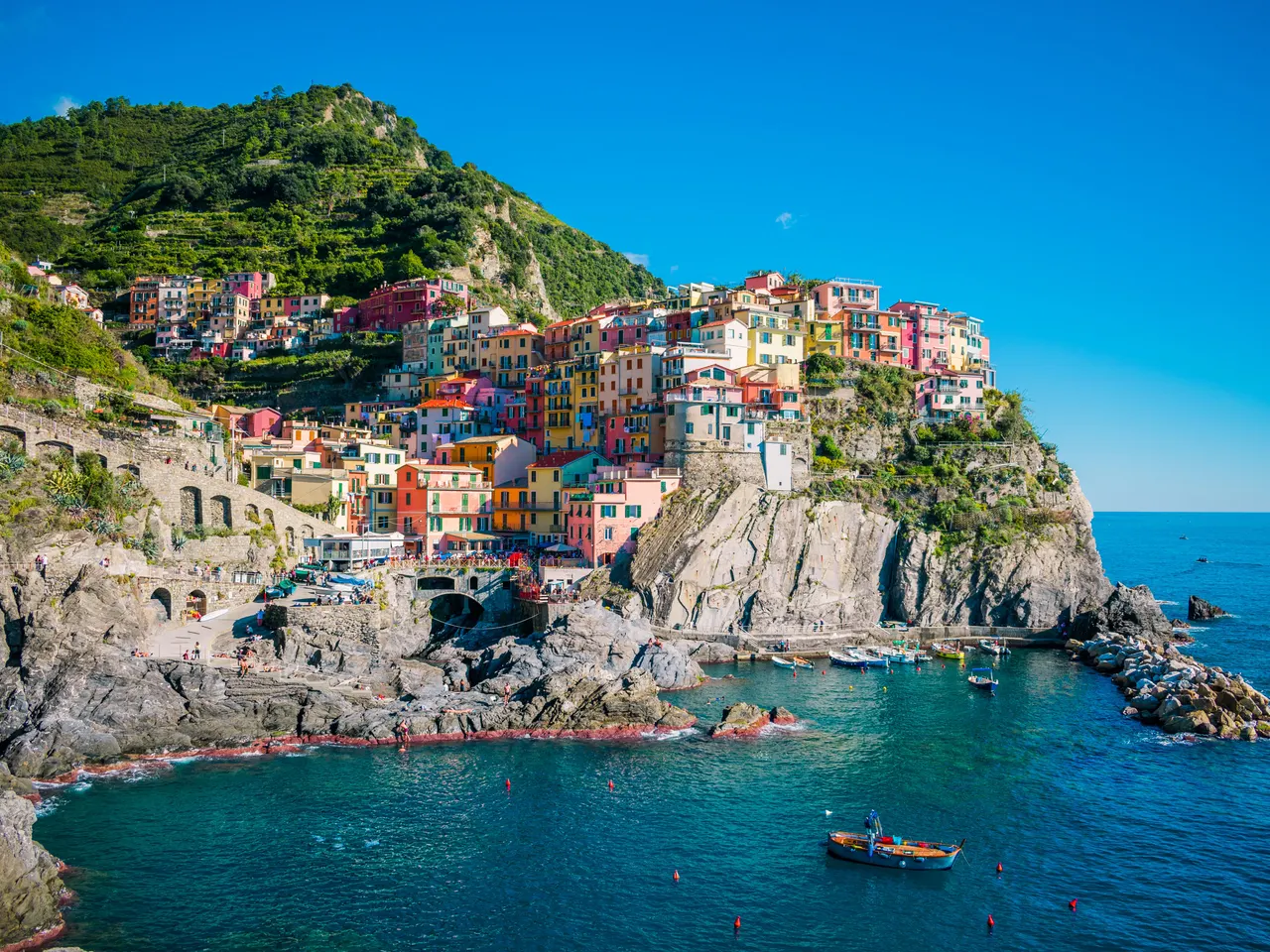
Sorrento, Campania
Campania
Berthold Werner / Wikimedia Commons (CC BY-SA 3.0)
Sorrento and the surrounding Amalfi Coast are famed for limoncello, the bright lemon liqueur produced from locally grown Sorrento lemons. Visitors can tour lemon groves, watch traditional maceration, and sample the liqueur in seaside cafés.
Access. Fly into Naples, then take the Circumvesuviana train or a ferry to Sorrento; many agriturismi and lemon‑farm cooperatives offer guided tastings.
Notes. Summer is peak tourist season; early morning tours avoid crowds. Reservations are recommended for farm visits.

Taurasi, Campania
Campania
Fiore Silvestro Barbato from Napoli (NA), Italy / Wikimedia Commons (CC BY-SA 2.0)
Taurasi, in the hills north of Avellino, produces powerful Aglianico wines often called the “Barolo of the South.” The area combines historic monasteries, volcanic soils, and passionate family wineries.
Access. Take a train to Salerno or Naples, then a bus or rental car to the Avellino province; many tours focus on the “Taurasi Wine Route” linking top estates.
Notes. Harvest festivals in September‑October draw many visitors; some wineries limit group sizes, so book ahead.

Trastevere Beer Quarter, Rome
Lazio
trolvag / Wikimedia Commons (CC BY-SA 3.0)
While Rome is known for wine, Trastevere has evolved into a vibrant hub for the Italian craft beer movement. The area features numerous specialized taprooms and bottle shops showcasing independent Italian breweries.
Access. Located in central Rome; best explored on foot in the evening.
Notes. Focuses on 'Birra Artigianale' (craft beer) which has exploded in popularity across Italy.

Valpolicella, Veneto
Veneto
Adert / Wikimedia Commons (CC BY-SA 4.0)
Valpolicella, east of Verona, is celebrated for its light‑bodied reds and the legendary Amarone, made from partially dried grapes. The region blends historic estates with modern enotecas where visitors can sample the full range of styles.
Access. Reachable by train to Verona, then a short bus or car ride to the vineyards; organized tasting routes like the Valpolicella Wine Trail guide visitors through multiple producers.
Notes. Winter can be chilly; the best tasting weather is spring to early autumn. Some wineries only open on weekends.