
Wine & drink in Germany
Germany
Beer cities and wine rivers with public halls
Beer destinations are walkable — halls and old-town brewing identity a visitor joins. Wine rivers add cellar doors. You taste as a guest, not a club member.
- Walkable beer cities
- Cellar doors on the rivers
- Drink culture as the trip
The vibe
Drinking here is a study in regional loyalty, where the landscape dictates whether you are sipping crisp white wine on a sunny hillside or nursing a malty lager in a bustling city tavern. It is a year-round pursuit, though the atmosphere shifts from outdoor beer garden conviviality in the summer to the cozy, dim-lit intimacy of cellar bars in the winter. The vibe is refreshingly unpretentious, focusing on the quality of the pour rather than the spectacle of the service.

Bamberg and Upper Franconia Beer Region
Bavaria
Nawi112 / Wikimedia Commons (CC BY-SA 3.0)
Renowned for its unique smoked beer (Rauchbier) and an exceptionally high density of historic independent breweries, Bamberg is a living museum of brewing art. The city and surrounding Franconian countryside boast centuries-old cellar taverns and traditional lagers.
Access. Accessible by regional rail to Bamberg station, with local bus lines serving surrounding village breweries.
Notes. Many village breweries operate limited opening hours or seasonal cellar schedules.

Black Forest Fruit Spirits Region
Baden-Württemberg
Stefan Karl / Wikimedia Commons (CC BY-SA 4.0)
The Black Forest is renowned across Europe for its artisanal fruit distilleries ('Schnapsbrennereien'), producing exquisite fruit brandies, gin, and herbal liqueurs. Travelers tour family-run farm distilleries nestled in deep green valleys, tasting traditional kirsch and modern craft spirits.
Access. Explored best by car or scenic local buses along the Black Forest winding country roads connecting villages like Oberkirch and Sasbachwalden.
Notes. Many traditional distilleries welcome visitors during daytime hours; booking a guided tasting with the distiller is recommended.

Cologne Beer Culture Quarter
North Rhine-Westphalia
Raimond Spekking / Wikimedia Commons (CC BY-SA 4.0)
The historic heart of Cologne is legendary for its lively pub culture centered around Kölsch, a light, crisp top-fermented beer served exclusively in tall, slender glasses (Stangen). Visitors hop between traditional brewery houses (Brauhäuser) to experience authentic Rhenish hospitality.
Access. Centered in Cologne's Altstadt (Old Town), easily walkable from the central railway station.
Notes. Waiters ('Köbesse') proactively refill your glass until you place a coaster on top of it.

Dortmund Beer Culture District
North Rhine-Westphalia
Matthias Nonnenmacher / Wikimedia Commons (CC BY-SA 4.0)
Once the brewing capital of continental Europe, Dortmund celebrates its proud industrial brewing heritage at the Dortmunder U and historic brewery sites. Visitors explore brewing museums, modern craft taprooms, and venues honoring the classic Dortmunder Export pale lager style.
Access. Easily accessible via Dortmund's central transit network and the U-Bahn to Unionstraße.
Notes. Null

Mecklenburg Lake District Craft Distilleries
Mecklenburg-Vorpommern
Schiwago / Wikimedia Commons (CC BY 3.0)
Set amid thousands of pristine glacial lakes, this northern region has blossomed into a destination for boutique gin and grain spirit production. Visitors discover innovative micro-distilleries utilizing local botanicals and crystal-clear lake water in scenic rural settings.
Access. Best explored by car or bicycle tour connecting rural estates and lakeside villages across the lake plateau.
Notes. Null

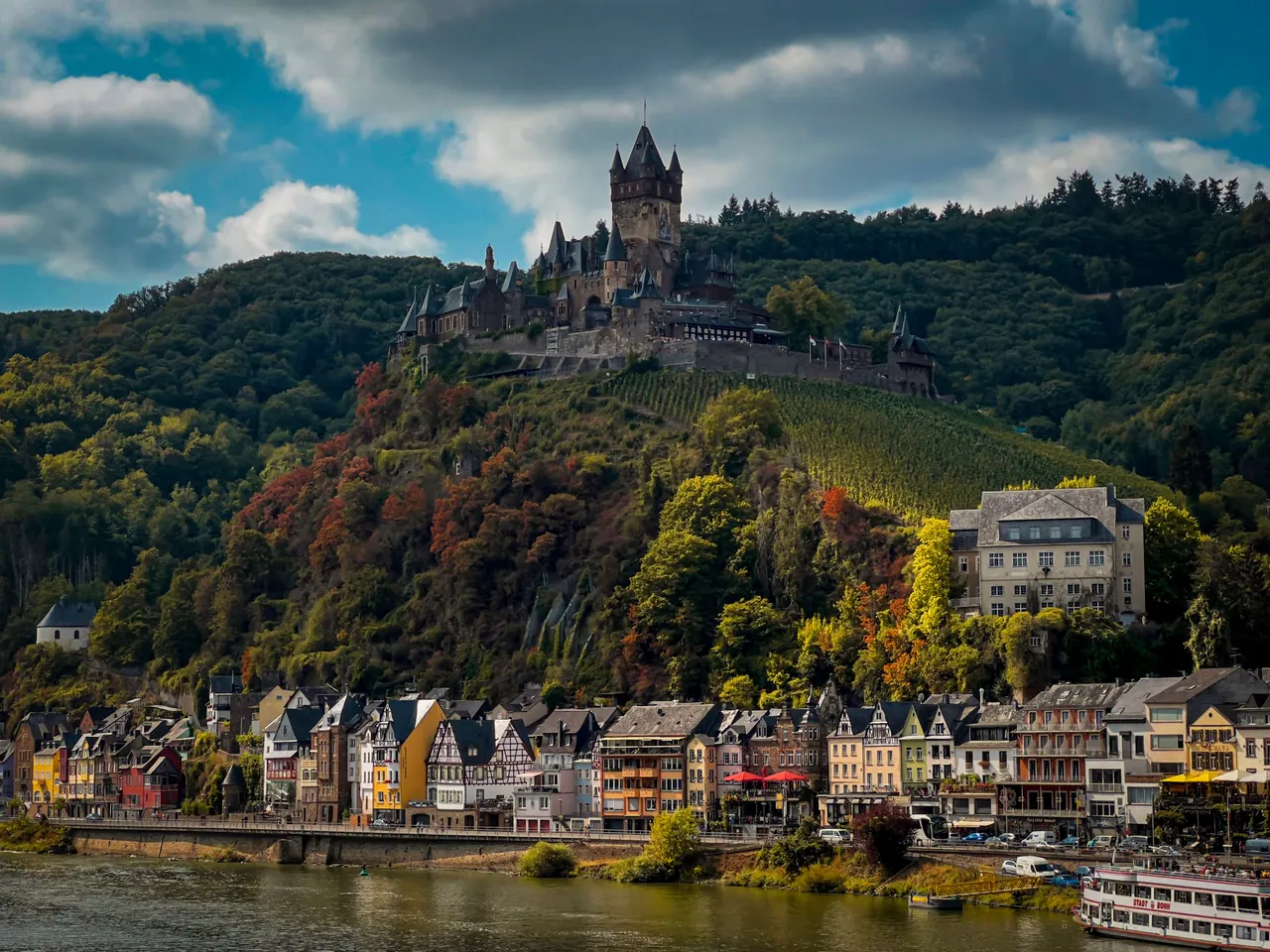
Mosel Valley Wine Region
Rhineland-Palatinate
Raimond Spekking / Wikimedia Commons (CC BY-SA 4.0)
Famous for its dramatic, steep-slope vineyards plunging down to the winding Mosel River, this region produces some of the world's finest mineral-driven Rieslings. The tasting vibe is intimate, centered around picturesque medieval wine villages and family-run estates.
Access. Accessible by car or regional train lines running between Koblenz and Trier.
Notes. Steep hiking trails require sturdy footwear; advance bookings are recommended for top estate tastings.

Munich Beer Culture Quarter
Bavaria
Partynia / Wikimedia Commons (CC BY 4.0)
As the global capital of beer culture, Munich offers historic beer halls, sprawling beer gardens, and world-class brewing heritage. From the iconic Hofbräuhaus to independent craft brew spots, the city celebrates beer as a central pillar of social life.
Access. Centrally located throughout Munich with extensive public transit (S-Bahn and U-Bahn) connecting all major halls.
Notes. While Oktoberfest is world-famous, Munich's beer gardens and historic halls are active year-round.

Palatinate (Pfalz) Wine Region
Rhineland-Palatinate
Immanuel Giel / Wikimedia Commons (CC BY 3.0)
One of Germany's largest and sunniest wine areas, the Palatinate features the famous German Wine Route running along the edge of the Palatine Forest. The region is known for its Mediterranean climate, lively wine festivals, and diverse portfolio of white and red varieties.
Access. Easily reached via regional trains from Mannheim, Ludwigshafen, or Kaiserslautern.
Notes. Late summer and autumn bring the famous local Wurstmarkt and village wine festivals.

Rheingau Wine Region
Hesse
Kreuzschnabel / Wikimedia Commons (CC BY-SA 3.0)
World-renowned for its exceptional Riesling and Pinot Noir, the Rheingau stretches along the right bank of the Rhine River. Visitors enjoy historic abbeys, picturesque vineyard trails, and sophisticated cellar doors overlooking the water.
Access. Easily accessible by regional trains from Frankfurt, or via scenic ferry crossings along the Rhine.
Notes. Fall harvest season offers vibrant wine festivals, though late spring and summer are ideal for hiking the Rheingau Riesling Trail.

Württemberg Wine Region
Baden-Württemberg
Friedi13 / Wikimedia Commons (CC BY-SA 4.0)
Draped across steep terraced hillsides along the Neckar River valley, Württemberg is Germany's undisputed capital of red wine, celebrated for lively Trollinger and Lemberger. Wine enthusiasts explore terraced vineyards beneath castles and modern architectural tasting pavilions.
Access. Easily reachable from Stuttgart via regional rail lines, the S-Bahn network, and dedicated wine hiking trails.
Notes. Late summer and autumn feature numerous vineyard walks and street wine festivals.