
Diving in Philippines
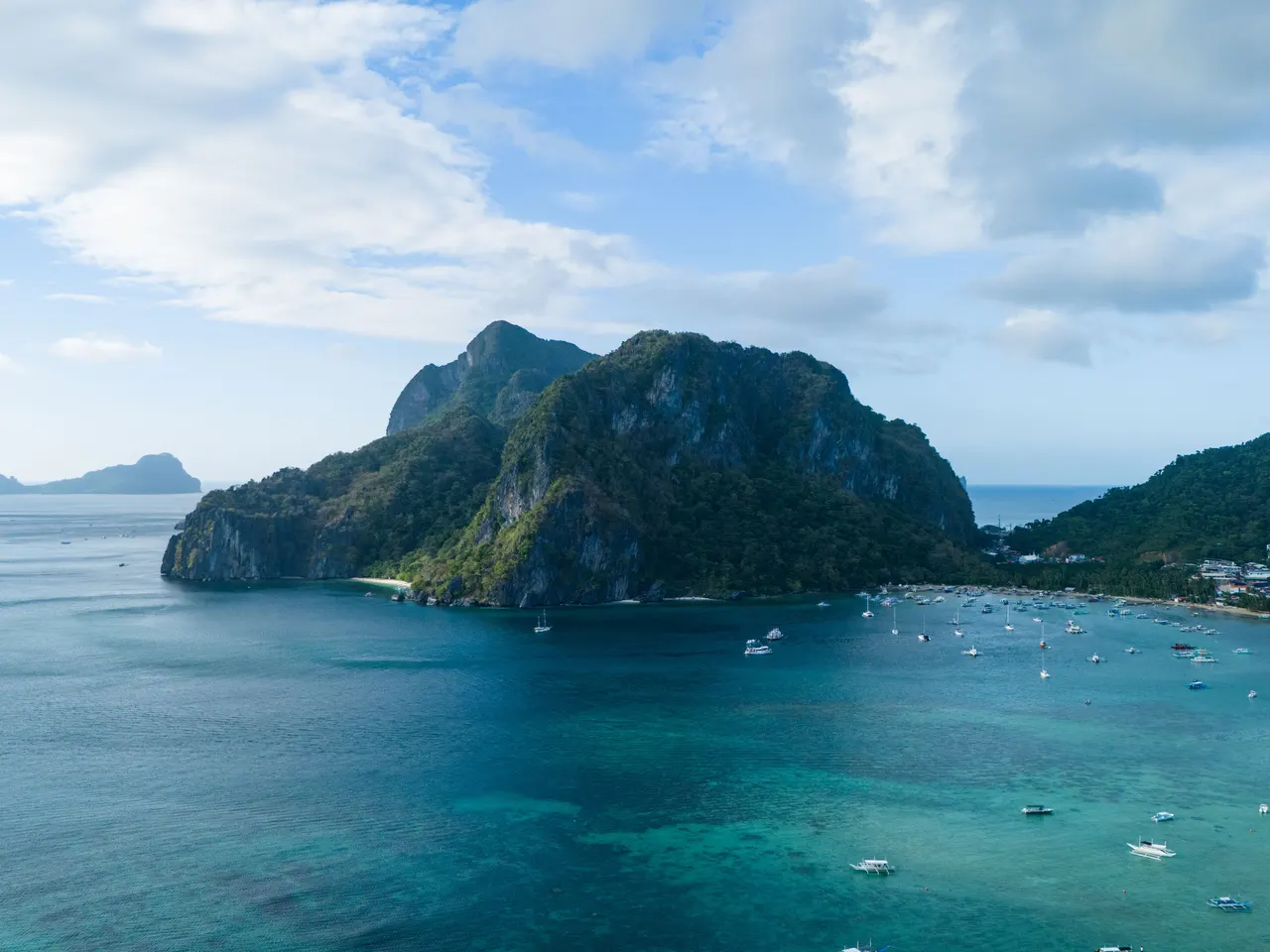
Philippines
Island dive towns with desks that take guests
Named dive islands run shops and boats for visitors. Reef, wall, and wreck days sit on the same week. Marine parks are the constraint; the shop already dives the open sites.
- Visitor dive shops
- Reef, wall, and wreck options
- Parks, not a mystery permit
The vibe
Descending into the warm water feels like dropping into an underwater metropolis where steep walls drop off into the deep blue and giant sea turtles glide past effortlessly. The weather holds good for diving nearly year-round, though the drier months bring peak visibility to the major marine corridors. Most visitors plug straight into well-established operations where multi-tank boat trips run like clockwork every morning.
park fee per dive day

Anilao, Batangas
Batangas
Kris Mikael Krister / Wikimedia Commons (CC BY 3.0)
The undisputed macro photography and nudibranch capital of the Philippines, featuring muck diving slopes, vibrant coral patches, and rich reef walls. Underwater photographers travel here from around the globe to spot rare cephalopods, frogfish, ghost pipefish, and rhinopias. The coastline offers accessible shore and boat diving.
Access. A convenient 2.5 to 3-hour drive from Manila followed by a short resort transfer. Ideal for all certification levels, with specialized muck and night diving guides widely available.
Notes. Depths range from shallow muck zones to 30+ meter reefs. Currents are generally mild to moderate depending on the site.

Apo Island, Negros Oriental
Negros Oriental
jackylim / Wikimedia Commons (CC BY-SA 3.0)
A famous marine sanctuary renowned for its thriving coral gardens and abundant populations of resident green sea turtles. Divers explore volcanic slopes, walls, and vibrant reef plateaus teeming with jacks, snappers, and macro life. The protected status guarantees dense marine biodiversity.
Access. Easily reached via day-trip bangkas from Dauin or Malatapay on the mainland of Negros Oriental, or by staying at the island's resort. Suitable for open water divers and above.
Notes. Depths range from 5 to 30 meters. Currents can be moderate to strong around certain points like Chapel and Cogon.

Cabilao Island, Bohol
Bohol
yuichiro anazawa / Wikimedia Commons (CC BY 3.0)
An offshore island known for pristine vertical walls, excellent macro subjects, and occasional hammerhead shark sightings in the deep blue. The walls are densely covered in gorgonian fans, barrel sponges, and soft corals with crystal-clear visibility. It offers a relaxed, uncrowded alternative to busier Visayas hubs.
Access. Reached via land transport from Tagbilaran to a local wharf, followed by a short outrigger boat crossing to the island. Suitable for intermediate divers.
Notes. Wall diving reaches deep levels; currents can be swift around the island's points.

Camiguin Island
Camiguin
Ray in Manila / Wikimedia Commons (CC BY 2.0)
Camiguin offers volcanic diving with unique underwater topography, including the famous Sunken Cemetery and Mantigue Island. Divers encounter vibrant coral gardens, schools of barracuda, and dramatic lava formations created by the island's volcanic history.
Access. Several dive shops operate out of Mambajao, providing boat access to the surrounding marine sanctuaries.
Notes. Conditions vary; some sites are drift-prone due to the island's location in the Bohol Sea.
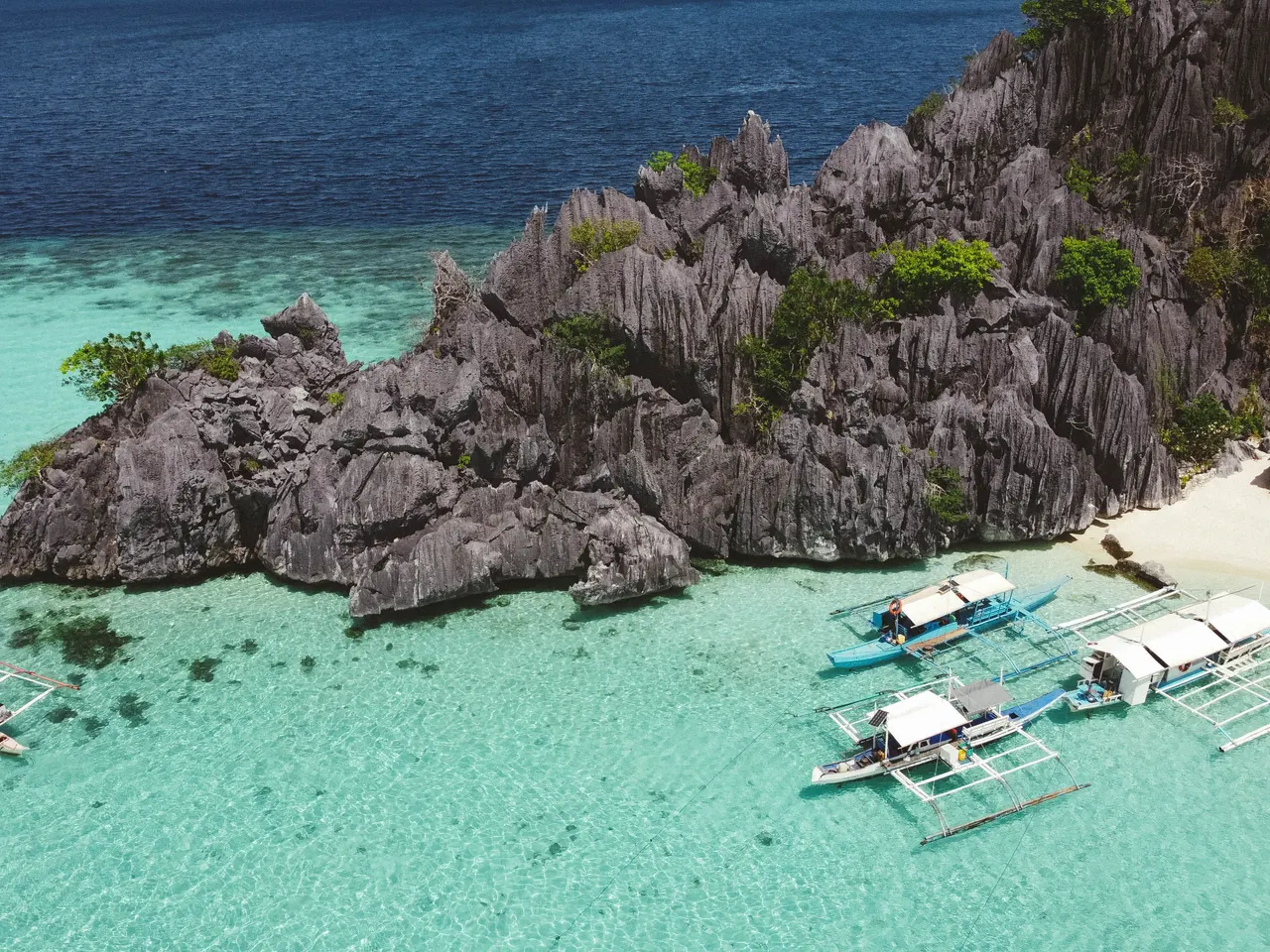
Coron Bay Wrecks
Palawan
JAY CP · Pexels
The premier WWII wreck diving capital of the Philippines, featuring a fleet of Japanese supply ships sunk by US carrier planes in 1944. Divers can explore massive sunken structures draped in coral, ranging from shallow gunboat decks to deep machinery spaces. Penetration opportunities abound for appropriately certified technical divers.
Access. Day boats depart daily from Coron town on Busuanga Island. Wrecks range from recreational limits to deep technical depths.
Notes. Depths vary from 10 to 42 meters. Visibility can fluctuate seasonally; wreck diving certifications are recommended for penetration.

Dauin, Negros Oriental
Negros Oriental
djscho / Wikimedia Commons (CC BY 4.0)
Renowned as the macro-diving capital of the Philippines, Dauin features unique volcanic sand slopes that host an incredible array of rare critters. The nearby Apo Island offers vibrant coral reefs, but the mainland coast is the primary draw for photographers seeking nudibranchs, frogfish, and seahorses.
Access. Dauin has a high density of dedicated dive resorts that cater specifically to scuba tourists with daily boat and shore diving packages.
Notes. Mostly shallow muck diving (10-20m) on the coast; Apo Island sites are deeper with potential for currents.

Moalboal, Cebu
Cebu
DAVID / Wikimedia Commons (CC BY-SA 3.0)
Famous for the massive sardine run that stays year-round just off the shore, Moalboal offers dramatic wall diving at Pescador Island. Divers navigate vertical drop-offs teeming with soft corals, turtles, and occasional reef sharks in clear, accessible waters.
Access. Numerous PADI dive centers line Panagsama Beach, offering daily boat trips to Pescador Island and local house reefs.
Notes. Depths range from 5m to 40m+; generally calm conditions but currents can pick up at the island.

Monad Shoal, Malapascua
Cebu
Robert Breivik / Wikimedia Commons (CC BY-SA 3.0)
A unique underwater plateau where pelagic thresher sharks visit cleaning stations in the early morning hours. Divers descend to deep cleaning stations along the edge of a dramatic underwater drop-off. It remains one of the few places in the world with reliable daily thresher shark encounters.
Access. Short boat rides from the dive resorts on Malapascua Island off the northern tip of Cebu. Advanced Open Water certification is required due to the depth of the cleaning stations.
Notes. Station depths sit around 20 to 30 meters. Early morning dives are standard; currents can be variable.

Pamilacan Island, Bohol
Bohol
Earth Science and Remote Sensing Unit , Lyndon B. Johnson Space Center / Wikimedia Commons (Public domain)
An offshore island featuring dramatic steep walls covered in vibrant soft corals, gorgonian fans, and sea whips. The surrounding deep blue waters serve as a migratory highway for whales, dolphins, and whale sharks. Divers enjoy exceptional visibility and thriving reef life along the drop-offs.
Access. Reached via outrigger boat trips operating from Alona Beach on Panglao Island, Bohol. Suitable for intermediate to advanced divers.
Notes. Wall dives drop past 40 meters. Currents can pick up around the corners of the island.

Puerto Galera, Mindoro
Oriental Mindoro
MarvinBikolano / Wikimedia Commons (CC BY-SA 4.0)
A diverse diving hub offering a mix of rich coral reefs, drift channels, and historical wrecks across sites like Sabang and Verde Island Passage. Verde Island, located nearby, is hailed as the center of the center of marine shore fish biodiversity, featuring high-energy wall and current dives. Divers encounter everything from macro critters to pelagics.
Access. Easily accessed via ferry from Batangas port followed by outrigger boats to the local dive shops in Sabang or Puerto Galera.
Notes. Known for strong currents, particularly in the Verde Island Passage. Suitable for both novice and advanced divers across different local sites.

Subic Bay, Zambales
Bataan
Judgefloro / Wikimedia Commons (CC0)
Subic Bay is a premier wreck diving destination featuring a collection of historical vessels from the Spanish-American and World War II eras. Divers can explore the USS New York and various landing craft, providing a unique look at maritime history in a controlled environment.
Access. Several specialized technical and recreational dive operators are based in the Subic Bay Freeport Zone, providing boat charters to the wreck sites.
Notes. Depths vary significantly; some wrecks are deep and require advanced or technical certification.

Tubbataha Reefs Natural Park
Palawan
Gregg Yan / Wikimedia Commons (CC BY-SA 3.0)
A remote UNESCO World Heritage site in the middle of the Sulu Sea offering pristine drop-offs, stunning coral gardens, and pelagic action. Divers encounter massive schools of jacks, reef sharks, mantas, and whale sharks in crystal-clear blue waters. Trips are strictly liveaboard-only due to the isolated offshore location.
Access. Accessible exclusively via liveaboard departures from Puerto Princesa, Palawan, typically running from March to June. Advanced Open Water certification with significant logged dives is strongly recommended.
Notes. Depth ranges from shallow reefs to vertical walls exceeding 100 meters. Strong currents can occur; marine park fees apply.