
Diving in Panama
Including Bocas del Toro Archipelago, Coiba National Park, and Las Perlas Archipelago. On the map.
The vibe
Heavy oceanic currents sweep past volcanic pinnacles, bringing dramatic encounters with hammerheads, mantas, and massive schools of jack that feel worlds away from a gentle resort reef. The dry season delivers the most reliable pelagic action and calmer surface intervals out on the open blue. Operations run out of dedicated remote outposts where you drop in with small, experienced crews of fellow enthusiasts.
park conservation fee

Bocas del Toro Archipelago
Bocas del Toro
April Nobile / Wikimedia Commons (CC BY 4.0)
Situated in the Caribbean Sea, Bocas del Toro features warm, clear waters with vibrant coral gardens, mangrove roots, and intriguing shipwrecks. Divers explore shallow reef ecosystems teeming with colorful sponges, crustaceans, and tropical reef fish in a relaxed island setting.
Access. Easily reached via local dive shops based on Isla Colón, with boat rides to the nearby reef and wreck sites.
Notes. Generally calm conditions with depths ranging from 5 to 25 meters, suitable for various skill levels.
Coiba National Park
Veraguas
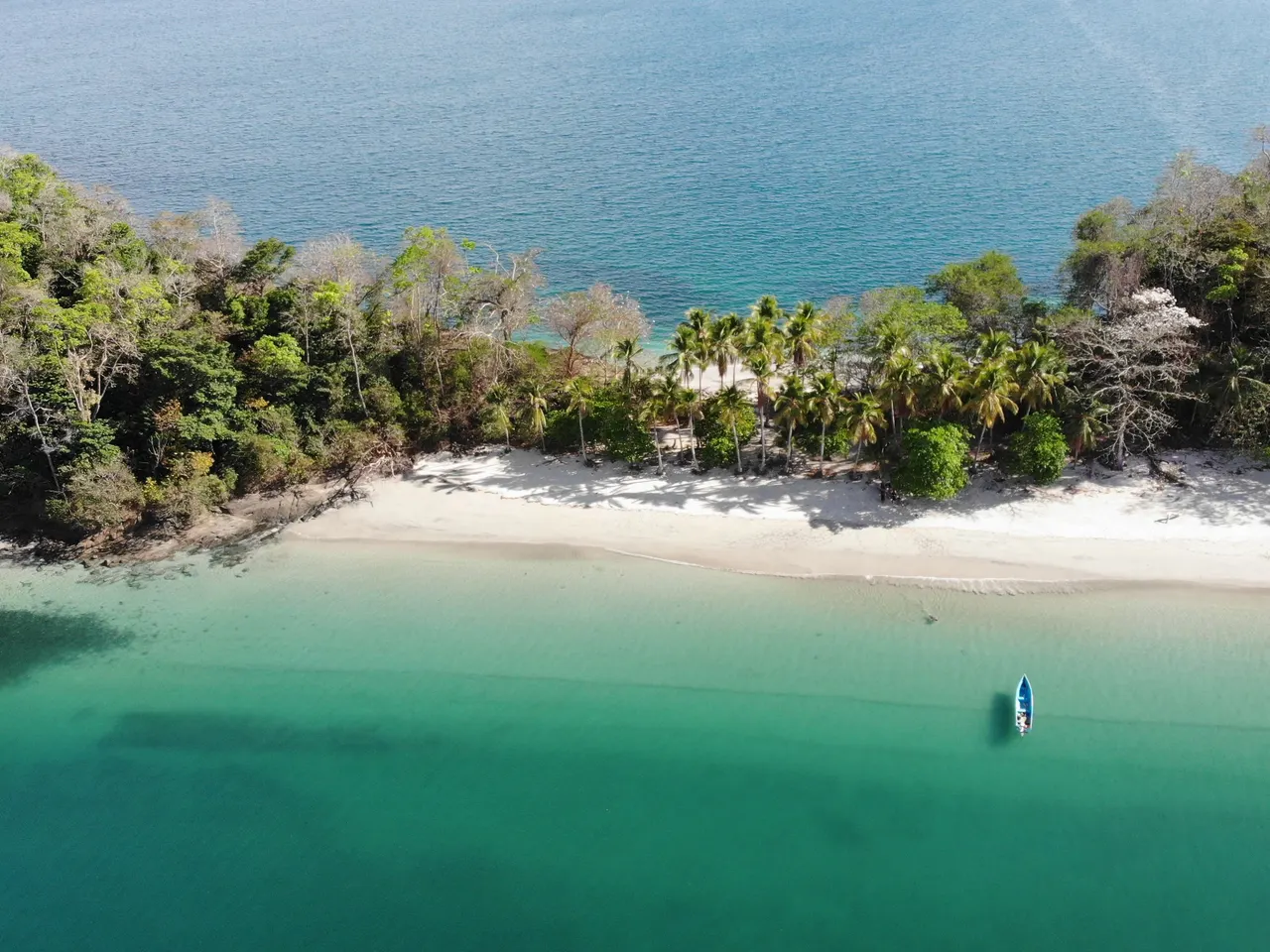
Israel Samaniego · Pexels
Located off the Pacific coast of Panama, this UNESCO World Heritage marine park offers world-class pelagic diving featuring whitetip reef sharks, manta rays, and massive schools of fish. Sites like Isla Coiba and surrounding pinnacles deliver thrilling drift and deep reef experiences with abundant marine biodiversity.
Access. Accessible via dive boats and charters operating out of Santa Catalina, a coastal village on the mainland.
Notes. Depths range from 15 to 40+ meters; currents can be strong. Park entry and diving permits apply.

Las Perlas Archipelago
Panamá Province
Earth Science and Remote Sensing Unit , Lyndon B. Johnson Space Center / Wikimedia Commons (Public domain)
Located in the Gulf of Panama, the Pearl Islands offer Pacific diving characterized by rocky reefs, rich nutrient-upwelling, and frequent interactions with pelagic species, including humpback whales in season, rays, and schooling fish.
Access. Reached via day-trip speedboats or dive charters departing from Panama City or Pacific coast marinas.
Notes. Variable visibility due to nutrient-rich Pacific waters; strong currents can occur at open-water pinnacle sites.

Portobelo and Isla Grande
Colón
Remy Swaab / Wikimedia Commons (CC BY-SA 3.0)
The historic Caribbean waters off Portobelo and Isla Grande combine historical intrigue with natural reef diving, featuring coral formations, wall drop-offs, and sunken wrecks or cargo remains. Divers frequently encounter nurse sharks, rays, and rich invertebrate life.
Access. Bookings and boat charters are available from dive operators in Portobelo or local mainland marinas.
Notes. Good visibility during the dry season; depths vary from 10 to 30 meters.