
Diving in Maldives
Maldives
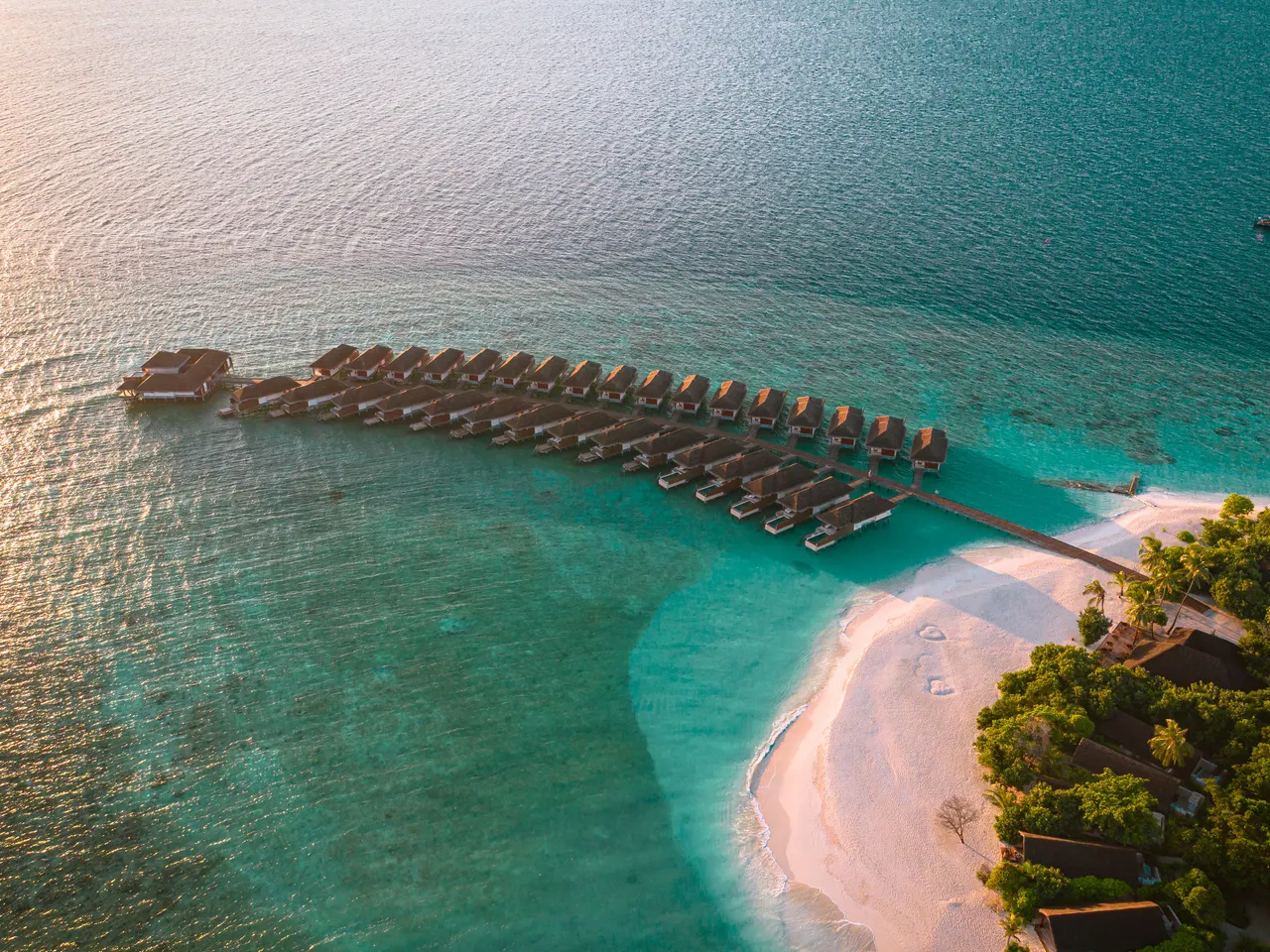
House reef and boats with the stay
Island dive centres are part of the transfer product. You book dives with the stay. Reef and channel dives are the week, not a hunt for a shop in town.
- Dive desk with the island
- Reef diving on the atoll
- Booked before you land
The vibe
Diving in the Maldives feels like descending into a giant aquarium, with massive reefs, pelagic encounters and dramatic drop‑offs unique to this archipelago. The best visibility and calm seas occur from December to March, making deep dives most rewarding then. Most dives are run by resort‑based operators, so the vibe is a well‑orchestrated holiday dive program.
park ticket
Devana Kandu, Vaavu Atoll
Felidhu Atoll
Devana Kandu is a spectacular channel dive characterized by its deep walls and frequent encounters with large pelagics including reef sharks and tuna. The site is highly regarded for its pristine coral growth along the channel walls and the sheer volume of fish life.
Access. Primarily visited by liveaboards operating in the central atolls, though some local island dive shops offer trips.
Notes. Advanced diving skills required due to unpredictable currents.

Fuvahmulah Atoll
Fuvahmulah
Asaymirus / Wikimedia Commons (CC BY 4.0)
Fuvahmulah is a unique single-island atoll famous for its pelagic encounters, particularly tiger sharks and thresher sharks. Divers visit this remote southern location for deep-water drift dives along the outer reef edges where large marine life congregates.
Access. Accessible via domestic flight from Male to Fuvahmulah airport, with several professional dive centers operating daily boat trips to the shark points.
Notes. Strong currents are common; advanced certification is highly recommended. Best season is January to April.

Hanifaru Bay Area, Baa Atoll
South Maalhosmadulu
Abllo / Wikimedia Commons (CC BY-SA 4.0)
While famous for manta ray aggregations, the surrounding reefs of Baa Atoll offer world-class scuba diving on vibrant pinnacles and coral gardens. Divers visit to experience the UNESCO Biosphere Reserve's immense biodiversity and healthy hard coral cover.
Access. Accessible via numerous dive resorts and liveaboards based in Baa Atoll; local dive centers provide daily boat trips to the best reef sites.
Notes. Marine park fees apply for specific protected zones; best season is May to November.

Kudarah Thila, South Ari Atoll
South Ari Atoll
Laika ac from UK / Wikimedia Commons (CC BY-SA 2.0)
Kudarah Thila is one of the most celebrated pinnacle dives in the Maldives, known for its vibrant soft corals and massive schools of snapper and fusilier. The submerged pinnacle creates a magnet for reef sharks and rays, offering a classic Maldivian reef experience.
Access. Easily reached by liveaboards or dive centers based on nearby resort islands in the South Ari Atoll.
Notes. Depth ranges from 12m to 30m. Currents can be moderate to strong.

Kuredu Express, Lhaviyani Atoll
Faadhippolhu
Kirill Sogomonov / Wikimedia Commons (CC BY 3.0)
This site is a legendary channel dive known for its strong currents that attract grey reef sharks, eagle rays, and massive schools of trevally. The topography features a dramatic channel edge that provides an exhilarating high-speed drift experience for experienced divers.
Access. Served by dive centers on Kuredu Island and surrounding resort islands in Lhaviyani Atoll.
Notes. Strong currents; recommended for advanced divers only.

Maaya Thila, North Ari Atoll
North Ari Atoll
9002Jack / Wikimedia Commons (CC0)
Maaya Thila is legendary in the Maldives for its incredible biodiversity and night diving opportunities. The pinnacle is home to resident hawksbill turtles, frogfish, and a high density of white-tip reef sharks that hunt in the shallows at night.
Access. Popular stop for liveaboards and resort-based dive boats in North Ari Atoll.
Notes. Currents can be strong; night dives are a signature experience here.

Shipwreck Valley, North Male Atoll
Hulhulé
Ushau97 / Wikimedia Commons (CC BY-SA 3.0)
Home to the famous Maldives Victory wreck, a 110-meter cargo ship that sank in 1981, this site offers an impressive penetration and exterior tour. The wreck is heavily encrusted with coral and serves as a massive artificial reef attracting schools of fusiliers and groupers.
Access. Easily reached by boat from Male or nearby resort islands in North Male Atoll; dive shops frequently schedule morning trips here.
Notes. Depth ranges from 12m to 35m; currents can be strong at the surface.