
Diving in Indonesia
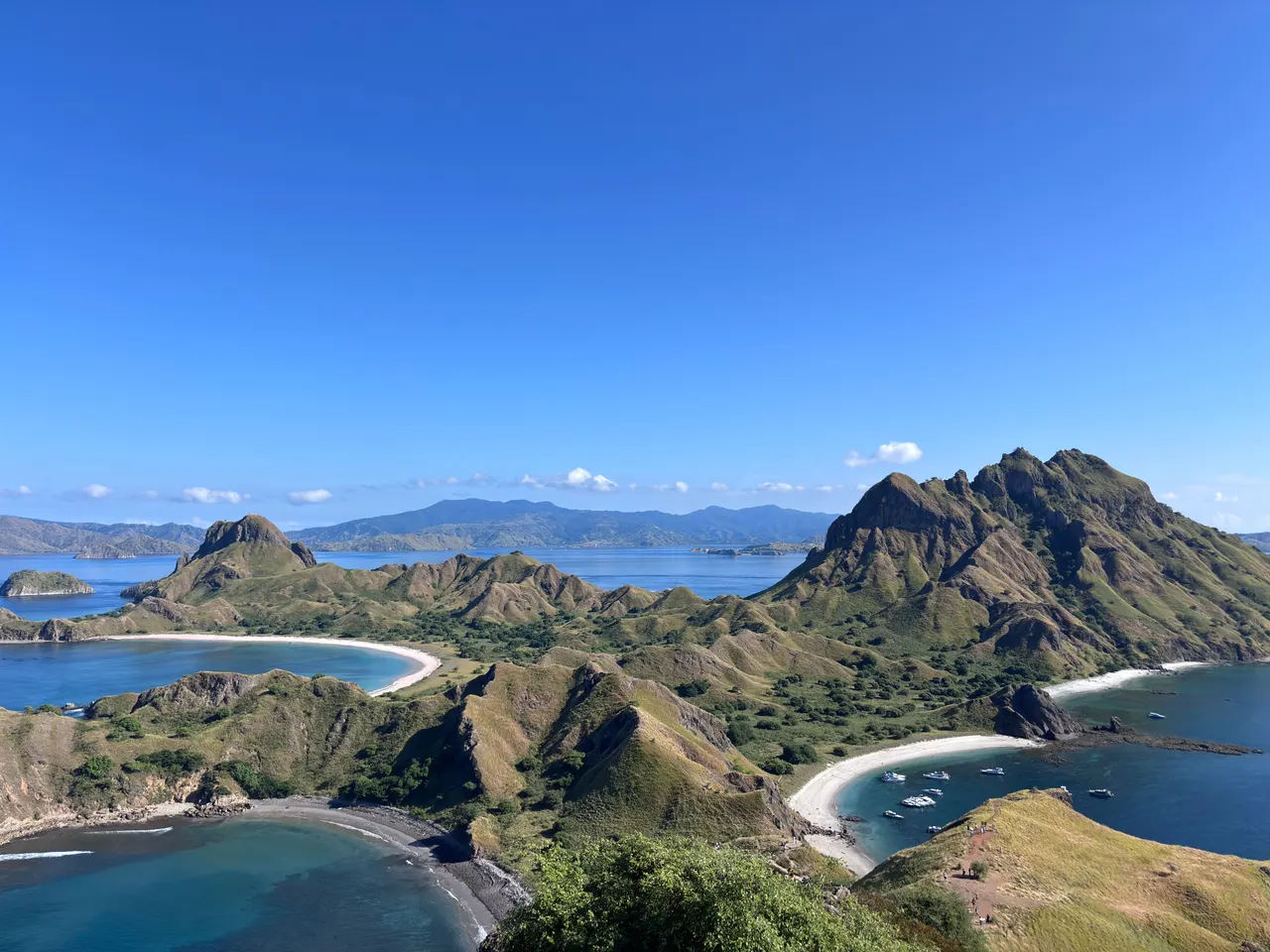
Indonesia
Island shops and boats a diver can find
Several islands have dive centres built for travelers — day boats, some liveaboards, reefs and drifts with a real diving name. Book before you fly on the busier islands; the product is still a visitor week.
- Bookable dive centres
- Reef and drift sites
- A week a visiting diver can actually dive
The vibe
Descending into these nutrient-rich currents drops you into some of the most biodiverse marine ecosystems on earth, surrounded by pelagics and vibrant coral walls. Diving is exceptional year-round, though the mid-year months offer peak visibility and dramatic water temperatures. The scene ranges from bustling resort dive centers running large boats to quiet, family-run operations where you log dives straight from the beach.
marine park day pass

Alor Archipelago (Pantar Strait)
East Nusa Tenggara
Sims8899 / Wikimedia Commons (CC BY-SA 4.0)
The Pantar Strait in Alor is famous for deep, nutrient-rich channels that attract whales, dolphins, and macro critters alike. Scuba divers experience high-adrenaline drift dives alongside pristine soft coral gardens and black sand muck sites. Dedicated dive resorts in Alor manage custom dive boats for exploring the strait.
Access. Fly into Kalabahi Airport in Alor via Kupang, then transfer to one of the specialized dive resorts operating in the strait.
Notes. Strong currents and upwellings are common; water temperatures can be cooler than typical tropical averages.

Ambon Bay (Twilight Zone), Maluku
Maluku Islands
Eric Dbs / Wikimedia Commons (CC BY 2.0)
Ambon Bay is a legendary muck diving destination featuring unusual volcanic sand slopes teeming with rare macro life. Scuba divers search for mimic octopuses, flamboyant cuttlefish, rhinopias, and psychedelic frogfish. It is a premier location for underwater photography and bizarre marine critters.
Access. Easily accessible via established dive resorts and local dive centers located around Ambon city and the bay. Suitable for all levels with guidance.
Notes. Depths from 3m to 25m. Calm waters with minimal current; ideal year-round.

Banda Islands (Lava Flow)
Moluccas
David Stanley from Nanaimo, Canada / Wikimedia Commons (CC BY 2.0)
The Banda Islands offer dramatic volcanic scenery both above and below the surface, highlighted by the famous Lava Flow dive site where hard corals have colonized a 1988 volcanic eruption zone. Scuba divers experience incredible hard coral growth, crystal-clear water, and schools of reef fish. Liveaboards and local resort dive operations regularly visit this remote area.
Access. Reached via liveaboard cruises departing from Ambon or Sorong, or by taking a local ferry/flight into Banda Neira where land-based dive operators can arrange boat trips.
Notes. Remote location with seasonal access typically best from March to May and September to December.

Batu Bolong, Komodo
East Nusa Tenggara
Bahnfrend / Wikimedia Commons (CC BY-SA 4.0)
A world-renowned pinnacle rising from the depths, Batu Bolong offers some of the most vibrant coral coverage in Indonesia. The site is famous for its massive schools of fish and frequent sightings of reef sharks and turtles in clear, current-swept water.
Access. Accessible via liveaboard or day boats from Labuan Bajo; advanced certification is highly recommended due to strong currents.
Notes. Strong currents are common; best visited during slack tide. National Park entrance fees apply.

Batu Codat, Togean Islands
Central Sulawesi
Justin Philbois / Wikimedia Commons (CC0)
The Togean Islands offer pristine barrier reef structures and secluded coral drop-offs far off the beaten tourist path. Batu Codat features dramatic wall formations plunging into deep blue water alongside healthy barrel sponges and pelagic cruisers. Divers enjoy untouched reef ecosystems with virtually no crowds.
Access. Bookable through dive resorts located on Kadidiri Island or local operations in Wakai. Accessible via ferry and speedboat connections from Gorontalo or Ampana.
Notes. Depths 10m to 40m+. Gentle currents; remote island setting.

Buli Bay WWII Wrecks, Halmahera
North Maluku
Earth Science and Remote Sensing Unit , Lyndon B. Johnson Space Center / Wikimedia Commons (Public domain)
Buli Bay on the east coast of Halmahera holds intact World War II aircraft wrecks and cargo ships resting in clear tropical waters. Scuba divers can explore structural penetrations and encrusted fuselages covered in hard and soft corals. It represents one of Indonesia's emerging technical and recreational wreck destinations.
Access. Arranged through specialized expedition dive operators or rare liveaboard itineraries operating in North Maluku. Advanced wreck training recommended.
Notes. Depths range from 15m to 40m+. Remote location requiring advance planning.

Bunaken National Park
Sulawesi Utara
prilfish from Vienna, Austria / Wikimedia Commons (CC BY 2.0)
Bunaken is famous for its dramatic vertical walls that drop hundreds of meters into the abyss, covered in colorful sponges and hard corals. Divers frequently encounter sea turtles and reef sharks cruising along the wall faces.
Access. Numerous dive operators based in Manado offer daily boat trips to the park.
Notes. Marine park fee required; conditions are generally calm but deep.
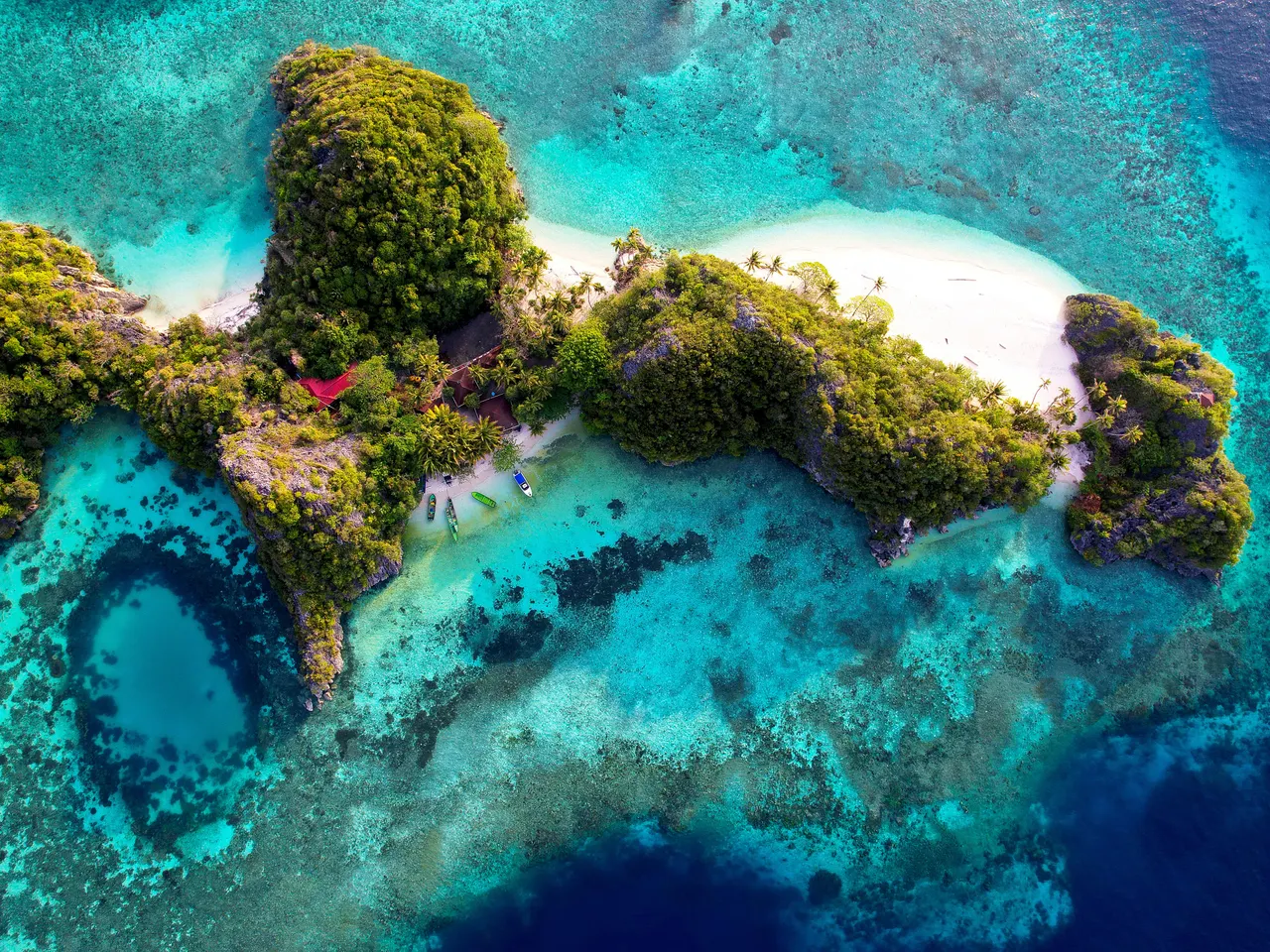
Cape Kri, Raja Ampat
Southwest Papua
Kevin YUNG · Pexels
Cape Kri holds the record for the highest number of fish species recorded in a single dive. This site features a stunning reef slope that transitions into a deep wall, teeming with massive schools of barracuda, snapper, and reef sharks.
Access. Best accessed via liveaboard or dedicated resorts in the Dampier Strait; requires a Raja Ampat Marine Park entry permit.
Notes. Currents can be intense; seasonal visibility is generally excellent.

Crystal Bay
Bali
Magul / Wikimedia Commons (CC BY-SA 4.0)
A sheltered bay on Nusa Penida's northwest coast famous for seasonal ocean sunfish (mola mola) encounters along a sandy slope and coral ridge. Between pelagic season, it still delivers healthy reef fish, morays, and excellent visibility when conditions align.
Access. Boat access only, typically as part of a Nusa Penida two-dive day from Sanur or the Nusa islands. Advanced Open Water preferred for reliable mola-mola depths around 18–30 m.
Notes. Mola mola season roughly July–October; crowded and cold (thermoclines) at peak. Follow operator depth and bottom-time rules—sensitive deep-water species.
Geyter Reef, Karimunjawa
Central Java
Karimunjawa National Park features sheltered patch reefs and soft coral gardens in the Java Sea. Scuba divers explore shallow coral plateaus teeming with anemones, fusiliers, and small reef sharks. The protected marine park ensures vibrant aquatic biodiversity away from eastern Indonesia's heavy current zones.
Access. Day-trip boats and dive packages are organized by local dive shops stationed on Karimunjawa main island. Ferry access available from Jepara or Semarang.
Notes. Depths 5m to 25m. Calm conditions making it ideal for relaxed reef diving.

Gili Islands (Shark Point)
West Nusa Tenggara
yeowatzup / Wikimedia Commons (CC BY 2.0)
Shark Point is one of the premier dive areas around Gili Trawangan, featuring sloping bottom topography and canyons frequented by reef sharks, turtles, and bumphead parrotfish. Scuba divers explore diverse marine life across depths suitable for various certification levels. Local dive shops operate daily boat trips directly to this popular site.
Access. Easily bookable through numerous professional PADI dive centers based on Gili Trawangan, Gili Meno, and Gili Air. Fast boats run regular daily excursions to the dive site.
Notes. Depths range from 18 to 30 meters with mild to moderate currents. Suitable for advanced divers when currents pick up.

Japanese Wreck (Amed)
Bali
gancw1 / Wikimedia Commons (CC BY 4.0)
A small WWII-era steel wreck in shallow Lipah Bay, encrusted in black coral, sponges, and gorgonians at just 2–12 metres. Glassfish swirl through the hull while the surrounding reef offers ghost pipefish, nudibranchs, and colourful soft-coral gardens.
Access. Shore entry from Banyuning beach or a short jukung ride from Amed; virtually every Amed dive shop runs trips here. Ideal for newer divers, photographers, and long, easy bottom times.
Notes. Sheltered bay—good year-round but visibility drops with swell; morning dives are calmest. Booties recommended for rocky entry.

Jemeluk Wall
Bali
musnahterinjak / Wikimedia Commons (CC BY-SA 3.0)
Amed's classic house reef: a coral plateau in Jemeluk Bay that falls away into a vertical wall decorated with barrel sponges and sea fans. Turtles, moray eels, reef sharks, and macro critters reward both wide-angle and close-focus diving.
Access. Easy shore entry from Jemeluk Beach or a jukung drop-off; widely offered by Amed operators as a half-day dive. Open Water suitable on the plateau; deeper wall sections suit Advanced divers.
Notes. Generally calm inside the bay; occasional mild current on the wall. Depths to ~40–50 m on the drop-off.

Manta Point
Kepulauan Nusa Tenggara
FBilula / Wikimedia Commons (CC BY 4.0)
A year-round reef-manta cleaning station off Nusa Penida's southwest coast, where mantas loop over coral bommies in clear blue water. One of Bali's most reliable big-animal dives, often combined with drift sections along the rugged limestone coast.
Access. Boat day trips from Sanur, Nusa Lembongan, or Nusa Penida; many operators bundle two–three Penida sites per day. Advanced Open Water and current experience strongly recommended.
Notes. Strong, changeable currents and cold thermoclines (18–22 °C); peak manta activity roughly April–November. Surface conditions can be choppy.

Menjangan Island
Kepulauan Nusa Tenggara
Chafidwahyu / Wikimedia Commons (CC BY-SA 4.0)
Northwest Bali's clearest diving: sheer coral walls dropping from shallow terraces into deep blue, draped in gorgonians, sponges, and sea fans. Whitetip reef sharks, Napoleon wrasse, turtles, and pygmy seahorses in the fans are common highlights.
Access. Reached by local boat from Labuhan Lalang (~30 minutes); dive operators in Pemuteran and Lovina arrange day trips. Open Water fine for upper walls; deeper profiles need Advanced certification.
Notes. Bali Barat National Park fees and a mandatory local guide apply. Visibility often 30 m+; best May–October.

Morotai Island WWII Wrecks
North Maluku
Not stated in the AWM's database / Wikimedia Commons (Public domain)
Morotai Island in North Maluku serves as a historical hub for World War II aircraft and shipwrecks resting in warm tropical waters. Scuba divers can explore submerged military relics draped in coral growth alongside vibrant reef ecosystems. Specialized dive guides lead tours to these intact historical sites.
Access. Accessible via flights to Morotai's Leo Wattimena Airport, followed by bookings with local dive operators or resort-based scuba guides.
Notes. Wreck depths vary from shallow snorkel depths down to technical ranges; most recreational sites sit around 20 to 35 meters.

Pemuteran Biorock Reef
Bali
Eric Bajart / Wikimedia Commons (CC BY-SA 3.0)
The world's largest coral-restoration dive area: dozens of electrified metal structures in calm Pemuteran Bay now hosting thriving hard and soft corals, schooling fish, frogfish, leaf scorpionfish, and other macro subjects on white sand.
Access. Shore entry from Pemuteran village beach; multiple northwest-Bali dive centres run afternoon and night dives here. Beginner-friendly in the 3–18 m range.
Notes. Visibility can be modest (10–20 m); calmest December–March but northwest monsoon can bring waves. Part of Pemuteran's community marine protected area.

Pulau Weh (Rubiah Wall)
Aceh
Paul Keller / Wikimedia Commons (CC BY 2.0)
Located at the northwestern tip of Sumatra, Pulau Weh offers dramatic wall diving and rich biodiversity influenced by Indian Ocean currents. Rubiah Wall features vertical drop-offs covered in sea fans, sponges, and schooling pelagics. Several established dive centers on the island provide daily boat trips to the area.
Access. Take a ferry from Banda Aceh to Sabang (Pulau Weh), where numerous beachside dive shops operate boats directly to the local sites.
Notes. Currents can be strong along the walls, making it ideal for drift diving enthusiasts.

Sangalaki Island, Derawan Archipelago
East Kalimantan
Griff88 / Wikimedia Commons (CC BY-SA 4.0)
Sangalaki is internationally famed for its year-round populations of reef manta rays that gather in shallow nutrient-rich waters. Scuba divers descend onto sandy slopes and coral patches where mantas gracefully circle cleaning stations. Local dive operations run regular boat excursions directly to these encounter sites.
Access. Bookable through dive resorts on Derawan Island or Maratua, which operate speedboats to Sangalaki. Suitable for all certification levels.
Notes. Shallow dives averaging 5m to 18m. Gentle to moderate currents; local conservation fees apply.

Taka Bonerate Atoll, Selayar
South Sulawesi
Earth Science and Remote Sensing Unit, NASA Johnson Space Center / Wikimedia Commons (Public domain)
Taka Bonerate is the third-largest atoll in the world, featuring vast pristine coral reefs, steep walls, and rich pelagic action. Scuba divers encounter pristine drop-offs, clear visibility, and an abundance of macro life as well as larger marine species. Dive operations cater mainly to adventurous travelers exploring South Sulawesi's outer islands.
Access. Accessible via boat charters from Selayar Island, which can be reached by a combination of domestic flights and ferries from Makassar.
Notes. Marine park entry fees apply. Best dived during the calmer dry season months.

USAT Liberty Wreck
Kepulauan Nusa Tenggara
Jean-François Capdet / Wikimedia Commons (CC BY 3.0)
Bali's signature shore wreck—a 120-metre WWII cargo ship resting on a black-sand slope from about 5 to 30 metres, carpeted in corals and sponges. Expect dense fish life including bumphead parrotfish, jacks, barracuda, and turtles on a site calm enough for newer divers in the shallows.
Access. Shore entry directly from Tulamben village; dozens of local dive operators run guided dives, gear rental, and dawn or night trips. Open Water certification is sufficient for the main deck areas.
Notes. Best visibility April–October; very popular—arrive early for quieter dives. No marine park fee here, unlike northwest Bali sites.

Wakatobi House Reef
Southeast Sulawesi
Chevi absyar / Wikimedia Commons (CC BY-SA 4.0)
Renowned for its pristine condition, the house reef at Wakatobi offers an endless wall and slope experience just steps from the shore. It is a macro-photographer's paradise with incredible soft coral gardens and unique nudibranch species.
Access. Exclusively accessed via Wakatobi Dive Resort; suitable for all levels of divers.
Notes. Very calm conditions; ideal for night diving.