
Diving in Australia
Including Cod Hole, Derwent River Wrecks, and Fish Rock Cave. On the map.
The vibe
Australia’s dive sites offer a mix of vibrant reefs and historic wrecks that feels like exploring a submerged museum. The season of choice is summer through early autumn, when currents are calm and visibility is at its best. Dive charters are plentiful, but some remote locations still require a local guide or a bit of self‑reliance.

Cod Hole, Great Barrier Reef
Australia
Tim Sheerman-Chase / Wikimedia Commons (CC BY 2.0)
World-famous ribbon reef site renowned for encounters with massive potato cod, pristine coral gardens, and clear tropical waters. Divers routinely interact with friendly large reef fish along shallow coral heads and drop-offs.
Access. Accessible via liveaboard dive boats departing from Cairns or Port Douglas.
Notes. Depths range from 10 to 30 meters; suitable for Open Water divers and above with generally mild currents.

Derwent River Wrecks, Hobart
Tasmania
JJ Harrison ( https://www.jjharrison.com.au/ ) / Wikimedia Commons (CC BY-SA 3.0)
The Derwent River estuary in Hobart holds a unique collection of historic wooden and steel shipwrecks intentionally scuttled to form a marine graveyard. Scuba divers explore these eerie historical wrecks encrusted with cold-water anemones, nudibranchs, and schooling fish. Local Hobart dive shops conduct regular guided boat dives to the various river mouth wreck sites.
Access. Bookings and gear hire are available through established dive shops located in Hobart.
Notes. Estuarine conditions can mean lower visibility and tidal currents; drysuit or thick semi-dry wetsuit recommended.

Fish Rock Cave, New South Wales
New South Wales
Damien Naidoo / Wikimedia Commons (CC BY-SA 3.0)
One of Australia's premier ocean cave dives, featuring a 125-meter long volcanic cave tunnel that cuts straight through an island. The cave is home to numerous grey nurse sharks, bull rays, and abundant marine life.
Access. Boat charters operate from South West Rocks.
Notes. Depth up to 24 meters; overhead environment requiring cave or advanced training with a guide.

Flinders Island, Bass Strait
Tasmania
Flinders Island — Wikidata / Wikimedia Commons
Surrounded by the treacherous waters of Bass Strait, Flinders Island offers dramatic temperate reef diving and numerous historic shipwrecks. Scuba divers explore boulder-strewn granite reefs, kelp forests, and preserved wreck sites featuring rich invertebrate life and clear winter visibility. Trips are organized via local expedition operators and dive clubs.
Access. Accessible via regional flights from mainland Australia, with local dive charters and boat operators arranging coastal excursions.
Notes. Temperate water diving requiring exposure protection (drysuits or thick wetsuits); conditions can be weather-dependent.

Flinders Reef, Moreton Bay
Queensland
fiddyschmitt / Wikimedia Commons (CC BY-SA 3.0)
An oceanic reef located off the coast of Brisbane featuring exceptional coral diversity, cleaning stations, swim-throughs, and an abundance of reef sharks, turtles, and rays.
Access. Day trip dive boats depart from Brisbane and Redcliffe.
Notes. Depths up to 25 meters; suitable for various skill levels depending on the specific site.

Gulf St Vincent Wrecks, Adelaide
South Australia
Earth Science and Remote Sensing Unit , Lyndon B. Johnson Space Center / Wikimedia Commons (Public domain)
Gulf St Vincent off the coast of Adelaide features several notable shipwrecks and artificial reefs, including the ex-HMAS Hobart missile destroyer. Scuba divers explore the large vertical structure of the destroyer and surrounding wrecks that attract giant stingrays, schooling pelagics, and colorful sea sponges. Regular dive boat charters operate out of nearby marinas.
Access. Easily booked through Adelaide-based dive centers offering daily boat charters to Gulf St Vincent sites.
Notes. Depths range from 18 to 30 meters; suitable for Open Water divers with wreck specialities or Advanced certifications.

HMAS Brisbane Wreck, Sunshine Coast
Queensland
Chris Olszewski / Wikimedia Commons (CC BY-SA 3.0)
The ex-HMAS Brisbane is a deliberately scuttled former Royal Australian Navy guided missile destroyer lying upright off the Sunshine Coast. Scuba divers can explore extensive internal compartments, the bridge, and the engine room, which are now heavily encrusted with soft corals and home to massive schools of pelagic fish. Guided penetration and exterior wreck tours are run daily by local dive shops.
Access. Bookings are easily arranged through local dive charters operating out of Mooloolaba on the Sunshine Coast.
Notes. Advanced Open Water certification is recommended for penetration dives; depths range from 15 to 28 meters.

Jervis Bay, New South Wales
New South Wales
Maksym Kozlenko / Wikimedia Commons (CC BY-SA 4.0)
Jervis Bay is renowned for its protected marine park featuring rocky reefs, kelp forests, underwater caves, and abundant resident fur seal colonies. Scuba divers explore vibrant coastal drop-offs and swim-throughs populated by blue gropers, seadragons, and schooling pelagics. Local dive operators run regular boat excursions to sites both inside the bay and along the outer oceanic headlands.
Access. Boat dives and equipment rentals are readily available through local dive shops based in Huskisson and Vincentia.
Notes. Suitable for all certification levels depending on the specific site; water temperatures range from cool in winter to warm in late summer.

Julian Rocks, Byron Bay
New South Wales
JulianGWilson / Wikimedia Commons (CC BY-SA 4.0)
A protected marine reserve where tropical and temperate currents meet, creating a convergence zone filled with leopard sharks, manta rays, grey nurse sharks, and massive schools of pelagic fish.
Access. Short boat ride from the beach launch in Byron Bay via local dive shops.
Notes. Depths range from 6 to 24 meters; currents can be present.

Lizard Island, Great Barrier Reef
Queensland
Elisfkc / Wikimedia Commons (CC BY-SA 4.0)
Situated on the outer edge of the northern Great Barrier Reef, Lizard Island provides access to pristine coral gardens and dramatic bommies teeming with reef sharks, rays, and giant potato cod. Divers explore remote outer barrier sites with exceptional visibility and vibrant marine biodiversity. Day trips and resort-based dive operators take scuba divers out to iconic spots like the Cod Hole and nearby wall sites.
Access. Accessible via flights from Cairns to Lizard Island, with dive charters and resort operators offering guided boat dives to outer reef locations.
Notes. Best dived between September and May when water temperatures are warm and surface conditions are calm.

Lord Howe Island
New South Wales
Tim Koch / Wikimedia Commons (CC BY-SA 4.0)
A remote volcanic remnant offering unique subtropical diving where tropical and temperate marine species meet. Features dramatic underwater caves, volcanic drop-offs, pristine coral reefs, and frequent encounters with Galápagos sharks.
Access. Short flight from Sydney or Brisbane; local dive operators run daily boat trips.
Notes. Depths vary widely; water temperatures fluctuate seasonally requiring wetsuits; advanced certification recommended for deeper sites.

Montebello Islands, Western Australia
Western Australia
Montebello Islands — Wikidata / Wikimedia Commons
The remote Montebello Islands archipelago off the Pilbara coast offers untouched coral reef diving, dramatic bommies, and rich marine life including sharks, turtles, and diverse tropical fish. Scuba divers explore shallow reef systems and channel drop-offs largely untouched by mass tourism. Trips to these isolated islands are operated via specialized liveaboard vessels.
Access. Accessed primarily through multi-day liveaboard dive charters departing from coastal towns such as Dampier or Onslow in Western Australia.
Notes. Remote expedition-style diving best undertaken during the calmer dry season months between April and October.

Neptune Islands, Port Lincoln
South Australia
Earth Science and Remote Sensing Unit, NASA Johnson Space Center / Wikimedia Commons (Public domain)
The Neptune Islands at the mouth of Spencer Gulf are Australia's premier destination for cage-based scuba diving with great white sharks. While certified scuba divers descend inside secured surface cages, the surrounding rocky islands also feature sub-surface kelp reefs and Australian sea lion interaction sites. Day-boat charters depart regularly from Port Lincoln.
Access. Bookings are handled by specialized shark-diving tour operators based in Port Lincoln on the Eyre Peninsula.
Notes. Cage diving is conducted via surface-supplied air (hookah) or scuba within designated cages; advance booking essential.
Ningaloo Reef (Exmouth)
Western Australia
Lachlan ROSS · Pexels
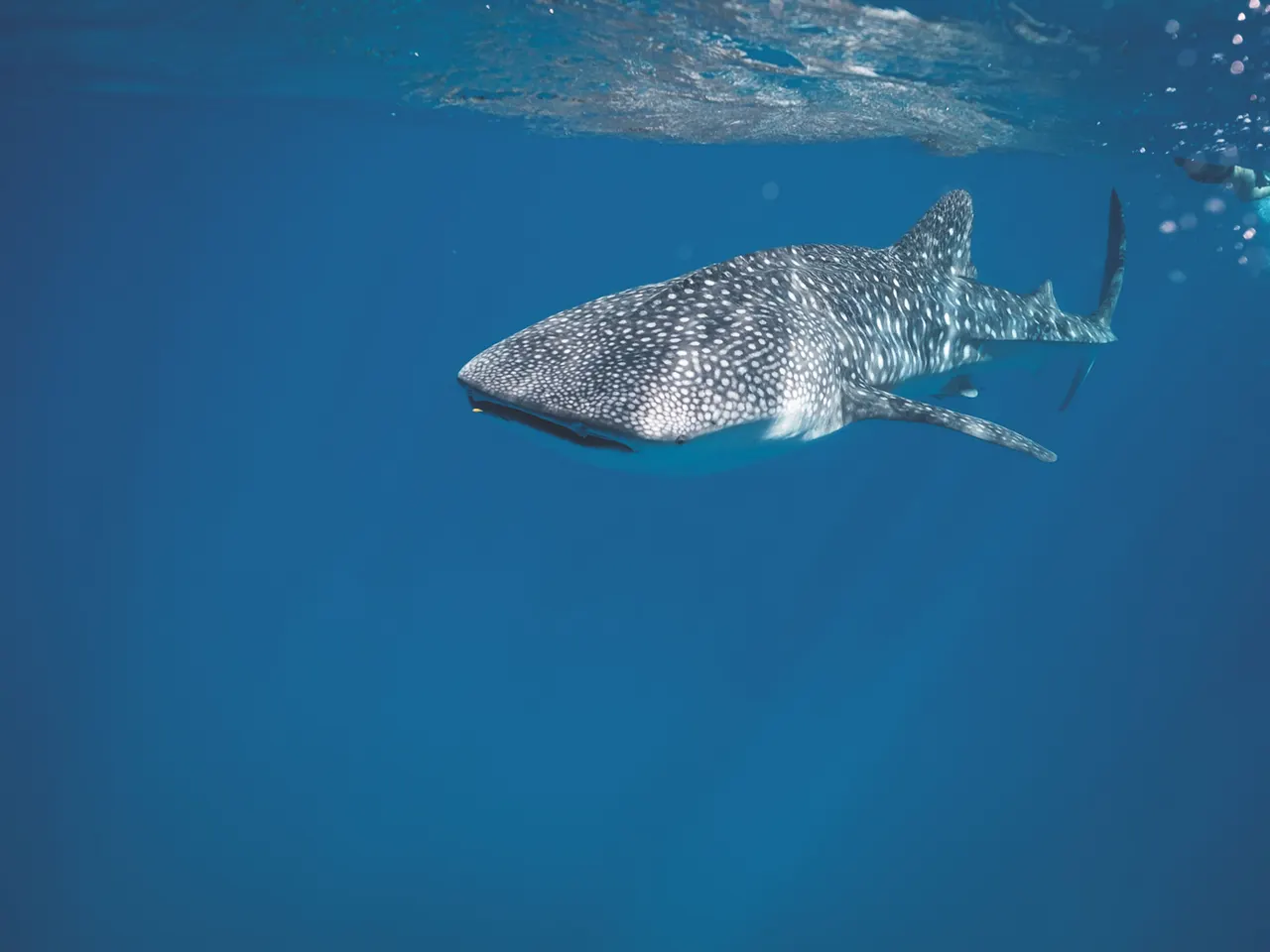
Australia's largest fringing coral reef offers exceptional shallow coral gardens, dramatic bommies, and seasonal megafauna encounters including manta rays and whale sharks. The outer reef walls host sharks, turtles, and pristine coral formations.
Access. Day boat charters operate directly from Exmouth and Coral Bay.
Notes. Depths range from 5 to 25 meters with varying surge and moderate currents.

North Keeling Island
Cocos (Keeling) Islands
PalawanOz / Wikimedia Commons (CC BY-SA 3.0)
This remote atoll offers pristine, untouched reef diving with incredible visibility and a high density of pelagic life. Divers visit to explore vibrant coral gardens and steep drop-offs that are rarely touched by human activity.
Access. Access is strictly controlled by the Parks Australia and requires specialized liveaboard charters departing from West Island. Divers must be experienced and self-sufficient due to the remote nature of the location.
Notes. Remote location, requires permit and specialized charter; seasonal access depends on weather conditions.

Osprey Reef, Coral Sea
jpdandretta / Wikimedia Commons (CC BY 4.0)
Rising from the deep abyssal plain in the Coral Sea, Osprey Reef offers world-class vertical wall diving and shark-attraction sites like North Horn. Divers experience crystal-clear visibility often exceeding 40 meters alongside sheer drop-offs and pelagic marine life. This remote submerged atoll is typically visited via multi-day liveaboard excursions departing from Cairns.
Access. Bookings are made through specialized liveaboard dive operators based in Cairns that run multi-day expeditions to the Coral Sea.
Notes. Remote location requiring advanced open water certification or higher due to depth and currents; open year-round with best conditions from June to November.

Rottnest Island
Western Australia
Sam Wilson (taken with Samsung Galaxy S21 FE 5G ) / Wikimedia Commons (CC BY-SA 4.0)
A diverse temperate dive destination off the coast of Perth featuring limestone caves, swim-throughs, lush kelp forests, and vibrant tropical fish carried south by the Leeuwin Current.
Access. Ferry from Fremantle or Perth, with local dive operators providing boat tours around the island.
Notes. Depths from 10 to 30 meters; conditions vary with swell and wind.
Rowley Shoals, Western Australia
Western Australia
Located 300 kilometers offshore from Broome, the Rowley Shoals feature three pristine coral atolls plunging into the deep Indian Ocean. Divers encounter spectacular wall dives with drop-offs exceeding 400 meters, alongside crystal-clear lagoons packed with potato cod, manta rays, and pristine coral gardens. Liveaboard dive boats run scheduled expeditions during the autumn months.
Access. Bookings require multi-day liveaboard dive trips departing from Broome during the seasonal weather window.
Notes. Open only from September to December when weather windows permit safe crossing to the outer atolls.

SS Yongala Wreck, Queensland
Queensland
Christopher Mark / Wikimedia Commons (CC BY 4.0)
Consistently rated as one of the top wreck dives in the world, this historic passenger ship sank in 1911 and is now encrusted in vibrant coral and swarming with marine life. Divers encounter giant rays, sea turtles, sea snakes, and massive schools of pelagics.
Access. Day boats depart daily from Ayr (Alva Beach) and Townsville.
Notes. Depths between 15 and 30 meters with strong and unpredictable currents; Advanced Open Water certification required.

Solitary Islands Marine Park, Coffs Harbour
New South Wales
Pleiadesjump / Wikimedia Commons (CC BY-SA 4.0)
Where tropical and temperate currents meet, the Solitary Islands Marine Park creates a unique convergence zone with vibrant coral reefs, rocky gutters, and abundant marine life including grey nurse sharks. Scuba divers frequently encounter manta rays, tropical reef fish, and turtles in a diverse underwater landscape. Local charter boats run regular dive trips out to the offshore islands.
Access. Dive charters operate daily out of Coffs Harbour and surrounding coastal boat ramps.
Notes. Advanced certification is helpful for deeper sites; grey nurse shark aggregation sites have specific regulatory viewing rules.

Tasman Peninsula (Eaglehawk Neck)
Tasmania
JJ Harrison ( https://www.jjharrison.com.au/ ) / Wikimedia Commons (CC BY-SA 2.5)
Famous for spectacular cold-water diving characterized by towering sea cliffs, dramatic underwater macro life, vibrant soft corals, sponge gardens, and deep cave systems.
Access. Drive from Hobart to local dive operators based around Eaglehawk Neck.
Notes. Cold water temperatures require drysuits or thick wetsuits; advanced certification needed for deeper cavern and wall sites.

The Rip (Cocos Keeling)
Cocos (Keeling) Islands
David Stanley from Nanaimo, Canada / Wikimedia Commons (CC BY 2.0)
The Rip is a high-energy drift dive site located in the channel between the islands, known for its powerful currents and abundant shark populations. It is a premier spot for experienced divers looking for fast-paced action and encounters with large marine life.
Access. Local dive operators on West Island provide boat support and guided trips to the channel. Divers must have strong drift diving experience and be comfortable with changing currents.
Notes. Strong currents; best suited for advanced divers; seasonal variability.