
Cycling in Japan
Including Aso Caldera, Awaji Island Loop (Awaji-ichi), and Fujimi Panorama Resort. On the map.
The vibe
Pedaling here means navigating a courteous coexistence with narrow rural roads and mountain passes that reward stamina with steaming hot spring towns. Late spring and October offer mild temperatures and dry air ideal for long miles in the saddle. The trip feels remarkably independent, relying on clear signage and widespread train integration rather than dedicated cycling infrastructure.

Aso Caldera
Kumamoto Prefecture
Raita Futo from Tokyo, Japan / Wikimedia Commons (CC BY 2.0)
Cycling within the massive Aso Caldera offers a unique experience of riding through one of the world's largest volcanic craters. The region features dramatic, sweeping landscapes, green pastures, and winding roads that are a favorite among road cyclists.
Access. Train access to Aso Station; rental shops are available in the town center.
Notes. Best in spring or autumn. The terrain is hilly and requires a good level of fitness for the caldera rim climbs.

Awaji Island Loop (Awaji-ichi)
Hyogo Prefecture
663highland / Wikimedia Commons (CC BY 2.5)
A classic 150-kilometer coastal circuit around Hyogo's largest island in the Seto Inland Sea. Cyclists enjoy varied terrain featuring rolling coastal cliffs, quiet fishing villages, and sweeping ocean views.
Access. Easily reached from Kobe or Osaka via ferry or bridge; multiple rental shops offer high-end road and cross bikes.
Notes. Rideable year-round; counter-clockwise loop recommended for optimal ocean views and coastal shoulder access.
Fujimi Panorama Resort
Nagano Prefecture
Photo by Tom Fisk on Pexels
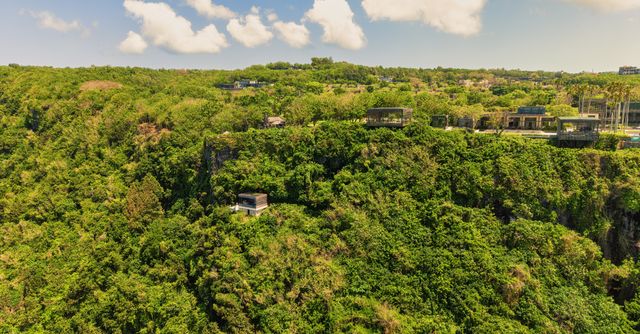
This is one of Japan's premier lift-access mountain bike parks, offering a variety of trails ranging from flowy beginner tracks to technical downhill courses. It is a major destination for MTB enthusiasts seeking gravity-fed riding.
Access. Located in Nagano Prefecture; accessible by train from Tokyo followed by a short shuttle or taxi.
Notes. Open from late spring to autumn. Full-face helmet and protective gear are recommended; bike rentals available on-site.

Ishigaki Island Coastal Route
Okinawa Prefecture
M108t / Wikimedia Commons (CC BY-SA 4.0)
Circle the tropical shores of Yaeyama's main hub on scenic coastal roads featuring turquoise waters, coral reefs, and lush subtropical hills. The loop around the island offers an invigorating tropical ride with low-stress traffic on rural stretches.
Access. Bike rentals are easily arranged near Ishigaki Port or the airport, with local tour operators offering supported rides.
Notes. Year-round riding, though summer brings intense heat and humidity. Watch for sudden tropical downpours.

Lake Biwa
Shiga Prefecture
The Gateway to Astronaut Photography of Earth (Actual photographer unknown) / Wikimedia Commons (Public domain)
The 'Biwa-ichi' loop around Japan's largest lake is a classic 200km long-distance cycling route. The path is largely flat, well-marked, and circles the lake, passing through historic towns and scenic rural areas.
Access. Start from Otsu or Hikone; both are easily accessible by train from Kyoto.
Notes. Can be completed in 1-2 days. Very popular for long-distance touring; flat terrain makes it accessible for most fitness levels.

Minakami Forest Trails
Gunma Prefecture
Qurren / Wikimedia Commons (CC BY-SA 4.0)
A diverse mountain biking destination nestled in the mountains of Gunma Prefecture, featuring forested singletrack, river crossings, and maintained trail systems. Riders find a mix of flow trails and technical natural terrain.
Access. Local guiding companies and bike centers in Minakami town provide shuttles, rentals, and trail passes.
Notes. Active from spring through late autumn; ideal for intermediate to advanced riders.

Mount Fuji Five Lakes
Yamanashi Prefecture
funk bass / Wikimedia Commons (CC BY 3.0)
Cycling around the Fuji Five Lakes provides iconic views of Mount Fuji reflected in pristine waters. The routes vary from flat lakeside paths to challenging climbs up the lower slopes of the volcano.
Access. Accessible via train from Tokyo to Kawaguchiko; bike rentals are available at the main station.
Notes. Popular year-round, though winter can be icy. The Fuji Subaru Line climb is a bucket-list challenge for road cyclists.

Nagano Alps Gravel Corridors
Nagano Prefecture
くろふね / Wikimedia Commons (CC BY 3.0)
Explore remote forestry roads and alpine gravel tracks winding through the shadows of the Northern Japanese Alps. This high-altitude region challenges gravel and touring cyclists with steep ascents and pristine mountain panoramas.
Access. Accessible via Matsumoto Station with local bike shops offering gravel-specific rentals and route guidance.
Notes. Snow-free typically from June through October; technical climbs require solid gravel gearing and good braking.

Niseko Area
Hokkaido Prefecture
Soica2001 ( talk ) / Wikimedia Commons (Public domain)
Known primarily for winter sports, Niseko transforms into a premier gravel and road cycling destination during the summer. The region features expansive volcanic landscapes, quiet forest roads, and challenging climbs around Mount Yotei.
Access. Accessible via train or bus from Sapporo; local bike shops provide high-end gravel and road bike rentals.
Notes. Summer season (July-September) is ideal. Traffic is light on rural routes, but riders should be aware of local wildlife.

Norikura Skyline
Gifu Prefecture
名古屋太郎 / Wikimedia Commons (CC BY-SA 4.0)
Scaling Japan's highest paved highway, this epic road climb reaches an elevation of over 2,700 meters above the clouds. The route rewards climbers with hairpin turns, dramatic volcanic landscapes, and panoramic alpine vistas.
Access. Accessed via Matsumoto or Takayama; road bikes and e-bikes can be rented in nearby hubs, though private cars are restricted.
Notes. Open to cyclists typically from May to October; weather can change rapidly at high altitude.

Noto Peninsula Coastal Route
Ishikawa Prefecture
雷太 / Wikimedia Commons (CC BY 2.0)
Rugged coastlines, dramatic rock formations, and tranquil fishing ports define this remote peninsula jutting into the Sea of Japan. The winding coastal roads provide an immersive long-distance touring experience away from metropolitan crowds.
Access. Kanazawa acts as the major transit gateway; regional train stations and local shops support multi-day itineraries.
Notes. Spring and autumn offer the most stable weather; expect stiff coastal breezes.

Shimanami Kaido
Ehime Prefecture
そらみみ / Wikimedia Commons (CC BY-SA 4.0)
This world-famous 70-kilometer cycling route connects Honshu to Shikoku across six islands and breathtaking suspension bridges over the Seto Inland Sea. Dedicated blue lines on the roads and bicycle-friendly infrastructure make it a bucket-list journey for riders of all levels.
Access. Rental bikes are widely available at numerous terminal hubs along the route with one-way drop-off options. Onomichi serves as the primary northern gateway.
Notes. Best ridden in spring and autumn; gentle slopes on bridge approaches with mild vehicle traffic.

Tokachi Plain Gravel Routes
Hokkaido Prefecture
Mamusi Taka / Wikimedia Commons (CC BY-SA 3.0)
Vast agricultural landscapes, rolling hills, and quiet farm tracks make eastern Hokkaido a paradise for gravel grinders. Riders traverse sweeping horizons, dairy farms, and river valleys with virtually no traffic.
Access. Obihiro serves as the logistical hub, with regional rental operators and gravel touring outfitters.
Notes. Best from May to October; remote stretches require self-sufficiency with hydration and flat repair kits.