
Cycling in France
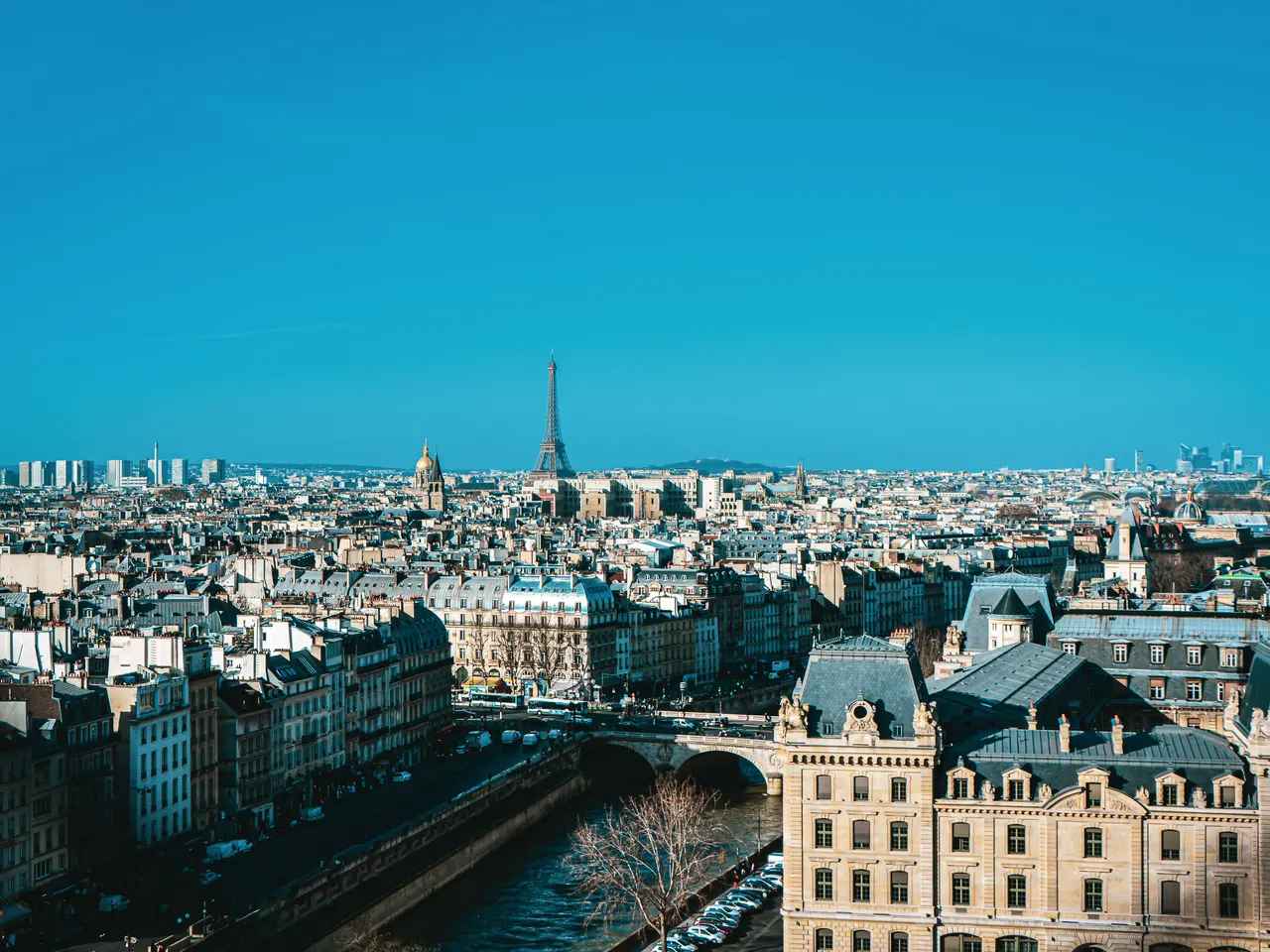
France
Cols and gorges with rental and bags if you want them
Famous road and touring country has rental, luggage transfer, and marked routes a visitor can ride. Traffic is real on some N-roads; the classic climbs are still a traveler week.
- Rental and bag transfer
- Named climbs and tours
- A cycling trip, not a local path
The vibe
Cycling is woven into the national identity, turning every road trip into a test of endurance against legendary mountain passes or a leisurely cruise through quiet, rolling vineyards. Early summer is ideal, as the mountain roads open up and the countryside is vibrant before the peak heat sets in. It feels like a pilgrimage where you are constantly surrounded by fellow riders, making the experience feel like a shared, organized event rather than a solitary pursuit.

Alpe d'Huez and Oisans Valley
Auvergne-Rhône-Alpes
Tedder / Wikimedia Commons (CC BY-SA 4.0)
The legendary Oisans valley serves as the heart of French road cycling, featuring the iconic 21 hairpin bends of Alpe d'Huez. This region offers an unparalleled density of high-altitude mountain passes that have defined the history of the Tour de France.
Access. Base yourself in Bourg d'Oisans; extensive bike rental shops and guided tour operators are available throughout the valley.
Notes. Best from June to September; extremely challenging climbs suitable for experienced road cyclists.

Alsace Wine Route
Grand Est
OliBac from FRANCE / Wikimedia Commons (CC BY 2.0)
The Route des Vins d'Alsace winds through charming medieval villages and rolling vineyards at the base of the Vosges mountains. It is a premier destination for leisurely bike touring, combining scenic paved paths with world-class gastronomy.
Access. Colmar and Strasbourg serve as excellent starting points with frequent train connections and bike-friendly infrastructure.
Notes. Ideal for multi-day touring; relatively flat with options for more challenging climbs into the Vosges forest.

Basse-Terre Mountain and Volcano Roads
Guadeloupe
Yannick Walrave / Wikimedia Commons (CC BY-SA 3.0)
Tackle challenging tropical road climbs winding through the lush rainforests and around the slopes of La Soufrière volcano. This mountainous western half of Guadeloupe offers steep gradients, hairpin turns, and breathtaking descents framed by dense jungle and cascading waterfalls.
Access. Road bikes and touring gear can be rented in major coastal hubs like Pointe-à-Pitre or Basse-Terre town. Main access via the RN1 and winding interior routes.
Notes. Best ridden during the drier season from December to May. Climbs are steep and tropical downpours can occur unexpectedly.

Bora Bora Lagoon Road
French Polynesia
Peter Gill / UK / Wikimedia Commons (CC BY 3.0)
Explore the legendary island of Bora Bora on a scenic 32-kilometer coastal loop that circles Mount Otemanu. The flat, paved perimeter road offers stunning vantage points of world-famous overwater bungalows, coral reefs, and emerald peaks.
Access. Accessible via domestic flight from Tahiti to Bora Bora Airport, followed by a boat transfer to Vaitape where bicycle rentals can be arranged.
Notes. Watch out for resort traffic and tourist shuttles near main hotel zones. Completely flat and suitable for casual cycling and e-bikes.

Brittany (La Vélodyssée)
Metropolitan France
GO69 / Wikimedia Commons (CC BY-SA 3.0)
Following the Atlantic coast and the Nantes-Brest canal, this route offers flat, scenic riding through historic ports and lush countryside. It is the quintessential French touring experience, perfect for those seeking cultural immersion and coastal breezes.
Access. Excellent train connectivity (TGV) to Nantes and Brest; many bike-friendly accommodations along the route.
Notes. Very flat and beginner-friendly; popular with families and long-distance tourers.

Canal du Midi
Occitania
Jordiferrer / Wikimedia Commons (CC BY-SA 4.0)
Connecting Toulouse to the Mediterranean, the Canal du Midi is a historic waterway lined with plane trees and charming locks. The flat, gravel-adjacent towpaths provide a relaxing, multi-day touring experience through the Languedoc wine region.
Access. Toulouse and Sète are the main terminals; the route is well-served by regional trains.
Notes. The path is mostly flat; ideal for casual touring and families.

Cayenne‑Kourou Coastal Road
French Guiana
The original uploader was Didwin at French Wikipedia . / Wikimedia Commons (CC BY-SA 2.5)
A scenic paved corridor that hugs the Atlantic shoreline, linking the capital Cayenne with the space‑port town of Kourou. Riders enjoy ocean views, mangrove passages and historic villages along a well‑maintained highway.
Access. Bike rentals are available in Cayenne and Kourou; luggage can be shipped between the two towns via local shuttle services. The route is typically ridden in two stages – Cayenne → Roura (≈80 km) and Roura → Kourou (≈70 km).
Notes. Best ridden in the dry season (July‑December) when traffic is lighter. E‑bikes are permitted on the road.
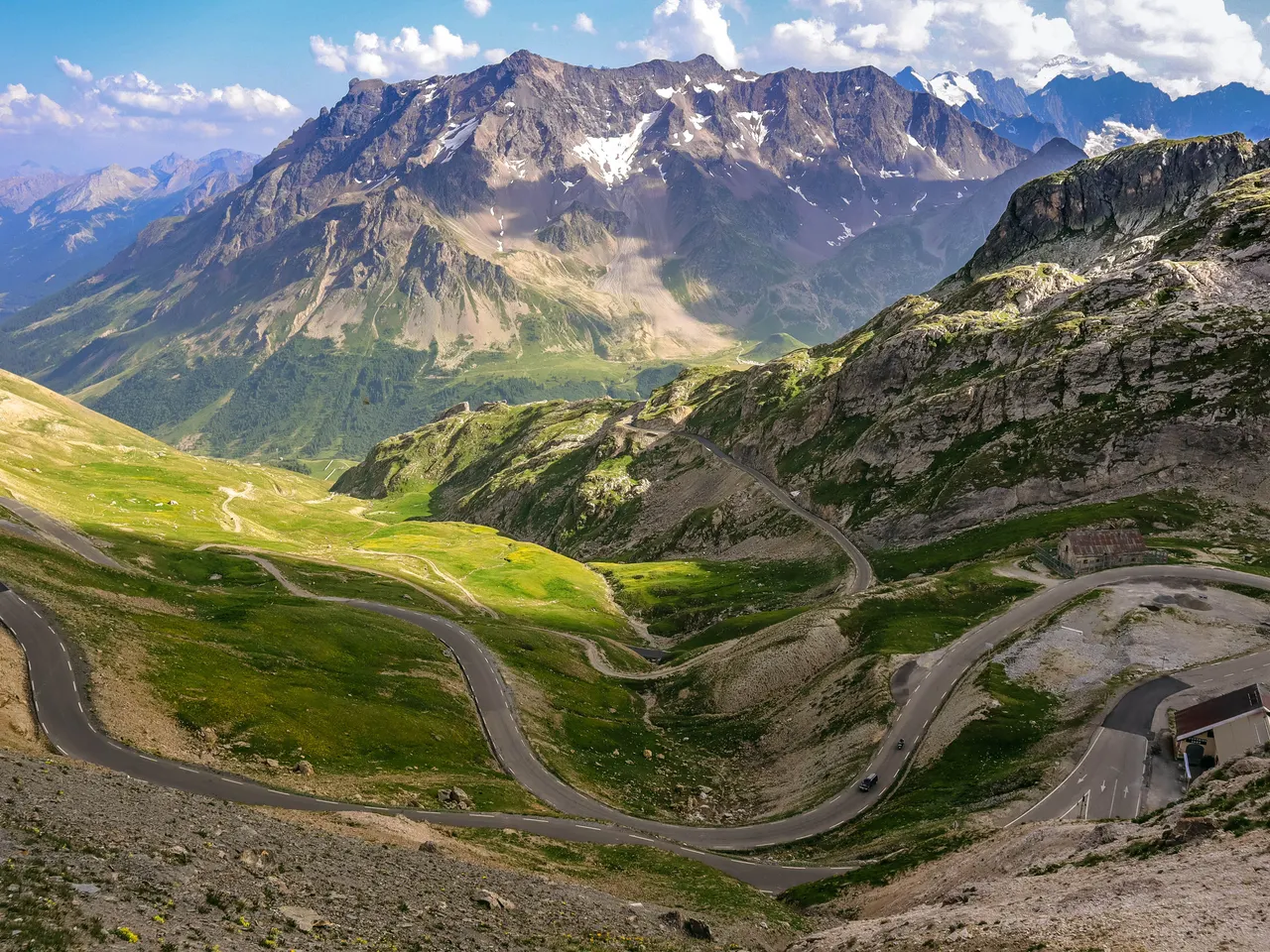
Col du Tourmalet
Occitania
Milesiwes · Pexels
The legendary Tour de France climb that offers steep gradients, panoramic Pyrenean vistas, and a test of endurance for road cyclists. Riders tackle the 21 km ascent to 2,115 m, passing through picturesque villages and rugged alpine scenery.
Access. Bike rentals are available in Saint‑Lary‑Soulan and Luz Ardiden. Most riders start from Saint‑Lary‑Soulan, using local shuttle services or luggage transfer to the base of the climb. The pass is typically climbed in a single stage, with the descent leading back to the valley.
Notes. Season best from May to September; traffic can be heavy during Tour de France weeks. The climb is challenging, with an average gradient of 8.8 % and sections exceeding 12 %. E‑bikes are permitted but the steepness and altitude make it demanding.

Corsica (GT20)
Corsica
lo.tangelini from Soliera / Modena, Italia / Wikimedia Commons (CC BY-SA 2.0)
The Grande Traversée (GT20) is a spectacular 600km route stretching from Bastia to Bonifacio, traversing the island's rugged granite mountains and coastal cliffs. It offers a challenging mix of steep climbs and Mediterranean vistas, making it a premier destination for adventurous bike packers.
Access. Ferries from Marseille, Nice, or Toulon; bike rental shops available in Bastia and Ajaccio.
Notes. Best in spring or autumn; summer heat is extreme. Requires good fitness for significant elevation gain.

French Pyrenees
Occitania
France64160 / Wikimedia Commons (CC BY-SA 3.0)
Stretching from the Atlantic to the Mediterranean, the French Pyrenees offer some of the most dramatic mountain passes in the world. This region is a pilgrimage for road cyclists looking to tackle legendary climbs like the Col du Tourmalet.
Access. Pau, Tarbes, and Perpignan are key access points; local shuttle services often assist with bike transport.
Notes. High-altitude passes are only open from June to October; weather can change rapidly.

Grande-Terre Coastal Circuit
Guadeloupe
Guillaume.web / Wikimedia Commons (CC BY-SA 3.0)
Enjoy rolling coastal roads, dramatic limestone cliffs, and sun-drenched sugarcane fields on this scenic loop around the eastern half of Guadeloupe. The route passes pristine white-sand beaches, wind-swept points like Pointe des Châteaux, and charming fishing villages.
Access. Readily accessible from the international airport near Pointe-à-Pitre, with numerous bike rental shops offering road and hybrid bikes.
Notes. Generally milder climbs than Basse-Terre, but exposed coastal winds can add challenge. Traffic is moderate to heavy near resort towns.

Grande‑Terre Coastal Loop
Mayotte
Axelspace Corporation / Wikimedia Commons (CC BY-SA 4.0)
A 130 km paved circuit that follows the main coastal road around Mayotte’s main island, offering ocean views, mangrove passages and occasional climbs up the southern peninsula. The route is popular with road cyclists and bike‑tourers seeking a full‑island experience.
Access. Bike rentals and luggage‑transfer services are available in Mamoudzou and Dzaoudzi; most riders start and finish in the capital and can arrange daily shuttle drops.
Notes. Best ridden in the dry season (May‑October) when traffic is lighter; some sections have moderate traffic, so stay alert. Suitable for e‑bikes.

Jura Mountains
Bourgogne – Franche-Comté
Benoît Prieur / Wikimedia Commons (CC0)
The Jura offers a wilder, quieter alternative to the Alps, featuring dense forests, limestone plateaus, and challenging mountain passes. It is a haven for road cyclists looking for solitude and MTB riders seeking technical singletrack.
Access. Access via Geneva or Lyon; bike rental hubs in Les Rousses and Pontarlier.
Notes. Higher elevation means shorter riding season; snow can persist into late spring.

Kerguelen Islands
French Southern and Antarctic Lands
Earth Science and Remote Sensing Unit , Lyndon B. Johnson Space Center / Wikimedia Commons (Public domain)
Experience remote expedition touring across the windswept volcanic landscapes of the Desolation Islands. Cyclists encounter dramatic fjords, glacial valleys, and vast sub-Antarctic colonies of wildlife along unpaved tracks.
Access. Accessible exclusively via scientific research vessels or specialized expedition ships departing from Réunion Island. Self-supported touring requires absolute preparation for extreme weather and remote conditions.
Notes. Extremely harsh weather, fierce winds, and complete lack of cycling infrastructure make this suitable only for highly experienced polar expedition cyclists. Permit from the TAAF administration required.

Loire Valley (La Loire à Vélo)
Pays de la Loire
Art & Language / Wikimedia Commons (Public domain)
La Loire à Vélo is a world-renowned long-distance cycle route that follows the river through the heart of the French Renaissance. The path is largely flat, well-marked, and passes by countless historic châteaux and UNESCO World Heritage sites.
Access. The route is highly accessible by train, with many stations allowing bikes on board; luggage transfer services are widely available.
Notes. Perfect for all skill levels; excellent for e-bike touring.
Maroni River MTB Trail Network
French Guiana
A growing network of single‑track mountain‑bike trails winding through the rainforest along the Maroni River. Trails range from beginner fire‑roads to technical single‑track with river crossings and steep climbs.
Access. Bike rentals and guided tours are offered from Saint‑Laurent‑du‑Maroni. Trailheads are reachable by local taxi or boat shuttle. Most riders base themselves in the town and do day‑trips.
Notes. Rainy season (January‑June) can make trails muddy and some sections impassable. Carry a rain‑cover and be prepared for insects.

Martinique Coastal and Mountain Circuit
Martinique
Peter Denimal / Wikimedia Commons (CC BY-SA 4.0)
Martinique offers a challenging and scenic road cycling experience characterized by steep volcanic climbs and winding coastal roads. Riders can traverse the lush northern rainforests near Mount Pelée or enjoy the rolling hills and turquoise vistas of the southern peninsula.
Access. Bike rentals are available in Fort-de-France and Le Marin, with many hotels offering support for cycling tourists. The island is best navigated by planning multi-day loops that connect the coastal villages.
Notes. Best from December to May. Roads can be narrow and steep; high fitness levels are recommended for the northern sections.

Massif Central and Auvergne Volcanoes
Auvergne-Rhône-Alpes
Tangopaso / Wikimedia Commons (Public domain)
The Parc des Volcans d'Auvergne offers a rugged, volcanic landscape that is a paradise for gravel and mountain biking. The region features vast, open plateaus, ancient craters, and a network of trails that are less crowded than the Alps.
Access. Clermont-Ferrand is the main gateway; rental shops are available in major towns like Super-Besse or Le Mont-Dore.
Notes. Best from late spring to early autumn; terrain is varied and requires good navigation skills.
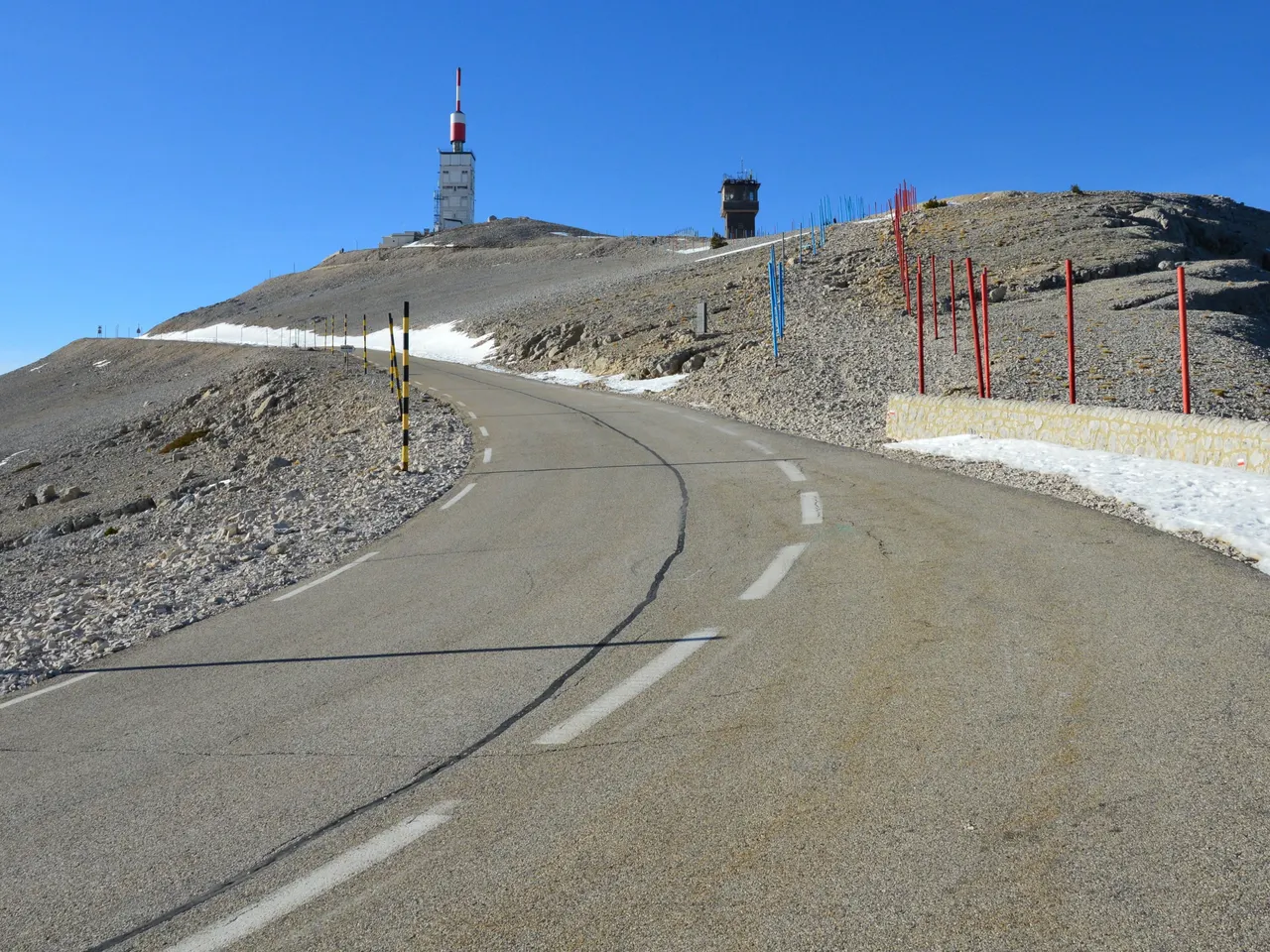
Mont Ventoux and Provence
Provence-Alpes-Côte d'Azur
Slimmars · Pexels
Dominating the landscape of Provence, Mont Ventoux is a bucket-list climb known for its barren, lunar-like summit. The surrounding region offers rolling vineyards, lavender fields, and quiet, picturesque roads perfect for classic road touring.
Access. Bédoin and Malaucène are the primary hubs for climbing the mountain; accessible by train to Avignon followed by local transit or rental car.
Notes. Windy conditions are common at the summit; avoid peak summer heat for the lower valley sections.

Moorea Island Coastal Route
French Polynesia
tower10 / Wikimedia Commons (CC BY-SA 3.0)
Circumnavigate the breathtaking island of Moorea on a completely paved 60-kilometer coastal highway that hugs turquoise lagoons and dramatic volcanic peaks. Riders pass through traditional Polynesian villages, pineapple plantations, and famous viewpoints like Opunohu Bay.
Access. Easily reached via a short 30-minute ferry ride from Tahiti; bike rentals and e-bikes are readily available near the ferry docks in Vaiare.
Notes. Flat to rolling terrain with moderate traffic near the main ferry port and capital, but very peaceful along the southern coast. Ideal year-round.

Morvan Regional Park
Bourgogne – Franche-Comté
Christophe.Finot / Wikimedia Commons (CC BY-SA 2.5)
Located in the heart of Burgundy, the Morvan is a hidden gem for gravel and mountain biking. It features dense forests, granite hills, and a vast network of quiet, unpaved tracks that offer a wilder, more remote cycling experience.
Access. Accessible by train from Paris to Avallon or Autun; best explored with a rental car or pre-arranged local transport.
Notes. Excellent for those seeking solitude and forest riding; less infrastructure than major tourist hubs.

Normandy Coast (La Vélomaritime)
Normandy
ERNOUF Guillaume / Wikimedia Commons (CC BY-SA 3.0)
This route traces the dramatic coastline of Normandy, connecting the D-Day landing beaches with the iconic Mont Saint-Michel. It combines poignant history with sweeping sea views and charming seaside towns.
Access. Train access from Paris to Caen or Cherbourg; extensive bike rental infrastructure.
Notes. Can be windy; terrain is rolling but generally accessible for all levels.

Oyapock River Border Gravel Tour
French Guiana
Earth Science and Remote Sensing Unit , Lyndon B. Johnson Space Center / Wikimedia Commons (Public domain)
A remote gravel adventure that follows the unpaved road along the Oyapock River, the border with Brazil. Riders experience dense forest, river views and the chance to cross into Brazil at the border post.
Access. Bike rentals are limited; most cyclists bring their own bikes. The nearest hub is Saint‑Georges, where accommodations and bike‑shuttle services are available. The tour is typically done in 4–5 days with campsites along the route.
Notes. Only advisable during the dry season (July‑December). Road conditions can be rough; a robust gravel bike with wide tires is essential.

Route des Plages – Western Loop
French Guiana
Rock Cohen / Wikimedia Commons (CC BY-SA 2.0)
This 200 km loop follows the “Beach Route” along the western coast, passing pristine beaches, river estuaries and the historic town of Saint‑Laurent‑du‑Maroni. The paved road is popular with long‑distance cyclists seeking a tropical road‑tour.
Access. Bike rentals can be arranged in Saint‑Laurent‑du‑Maroni; shuttle services transport bikes and gear to the start/finish points. The loop is usually broken into 3–4 stages with overnight stays in local guesthouses.
Notes. Dry season (July‑December) offers the safest conditions; occasional river fog can reduce visibility. Traffic is moderate.

Régina Cacao Plantation Gravel Ride
French Guiana
Polo973 / Wikimedia Commons (CC BY-SA 3.0)
A 90 km gravel route that threads through cacao farms, savanna grasslands and the foothills of the Tumuc‑Huagap‑Nouri range. The ride is known for its aromatic scenery and low‑traffic roads.
Access. Bike rentals can be sourced in Cayenne; bikes can be shipped to Régina via the regional bus service. The route is typically ridden as a single‑day challenge with a return shuttle for luggage.
Notes. Dry season is preferred; the road can become slick in the rainy months. Suitable for gravel bikes with 35‑45 mm tires.

Tahiti Iti Coastal Circuit
French Polynesia
Matthew Dillon from Hollywood, CA, USA / Wikimedia Commons (CC BY 2.0)
Pedal along the rugged, dramatic coastline of Tahiti Iti, where paved roads wind past secluded bays, dramatic cliffs, and lush tropical rainforests. This quieter peninsula offers a scenic loop favored by local and visiting road cyclists looking for rolling terrain and less traffic.
Access. Accessible via Papeete with bike rentals available in main urban centers; bring your bike across by ferry or rental car to Taravao.
Notes. Best ridden during the dry season from May to October. Tropical showers can occur unexpectedly.