
Climbing in United States
United States
Public lands and camp crags a visitor can use
Named destinations sit on public rock with campgrounds and guide services. Some parks need a day pass. You climb without a club membership. Season is weather and crowds.
- Public crags and boulder fields
- Guides and camps a visitor can book
- Day pass where the park asks
The vibe
Vertical days here play out on sun-baked sandstone or sheer granite faces where the sheer scale demands total focus. Spring and autumn offer the stickiest stone and ideal temperatures for chasing your grade from dawn until dusk. The scene is deeply communal, with dirtbags sharing campfire beta next to traveling crushers working their projects.

New River Gorge
West Virginia
PumpkinSky / Wikimedia Commons (CC BY-SA 3.0)
A premier whitewater rafting and rock climbing destination nestled within the rugged Appalachian Mountains of West Virginia. The ancient river carves through a dramatic gorge, offering world-class class III-V rapids and thousands of durable sandstone climbing routes.
Access. Located near Fayetteville, WV, accessible via US-19; numerous commercial outfitters provide guided rafting trips and climbing instruction.
Notes. Spring brings high-volume snowmelt runs, while autumn offers vibrant foliage and stable weather conditions.

Otter Cliff
Maine
Aaron Zhu / Wikimedia Commons (CC BY-SA 3.0)
Otter Cliff is a premier sea-cliff trad climbing destination set within Acadia National Park, featuring dramatic granite cliffs rising straight out of the Atlantic Ocean. Climbers flock here for classic multi-pitch and single-pitch routes with crashing waves below, requiring traditional gear placement and rappelling approaches from the top.
Access. Access is via Acadia National Park roads and carriage trails on Mount Desert Island, Maine. The nearest base town is Bar Harbor, where visitors can find local guiding services, gear shops, and park information. Climbing is typically active from late spring through early autumn.
Notes. Traditional gear is required as there are no fixed bolts on the routes. Always check park regulations for nesting peregrine falcon closures which usually run from spring through summer.

Red River Gorge
Kentucky
Public Lands Institute / Wikimedia Commons (CC0)
World-famous for overhanging sandstone sport climbing and steep roof routes, 'The Red' features thousands of single-pitch routes set in a lush Appalachian canyon. Climbers travel here for incredible pocketed limestone-like sandstone and a vibrant, communal dirtbag-to-cabin climbing culture centered around Miguel's Pizza.
Access. Approach via regional highways from Lexington, Kentucky. The area is best accessed by car with numerous trailheads branching off Route 15. Local guidebooks and gear can be found at onsite outfitters like Red River Gorge Climbers' Coalition and Miguel's Pizza.
Notes. Grades range from 5.5 to hard elite testpieces. Bolting ethics are well established with mostly sport routes, though some trad exists. Autumn and spring offer optimal weather conditions.

Smith Rock State Park
Oregon
Dougtone / Wikimedia Commons (CC BY-SA 2.0)
The birthplace of American sport climbing, featuring sheer volcanic tuff cliffs towering above the winding Crooked River. Climbers travel from across the globe to tackle its vertical face routes and technical multi-pitch challenges.
Access. Located near Redmond, Oregon, accessible via US-97; parking and day-use areas are open year-round with nearby camping and lodging in Bend.
Notes. Summer afternoons can be intensely hot; respect seasonal raptor nesting closures on certain cliffs.
Yosemite Valley
California
Pixabay · Pexels
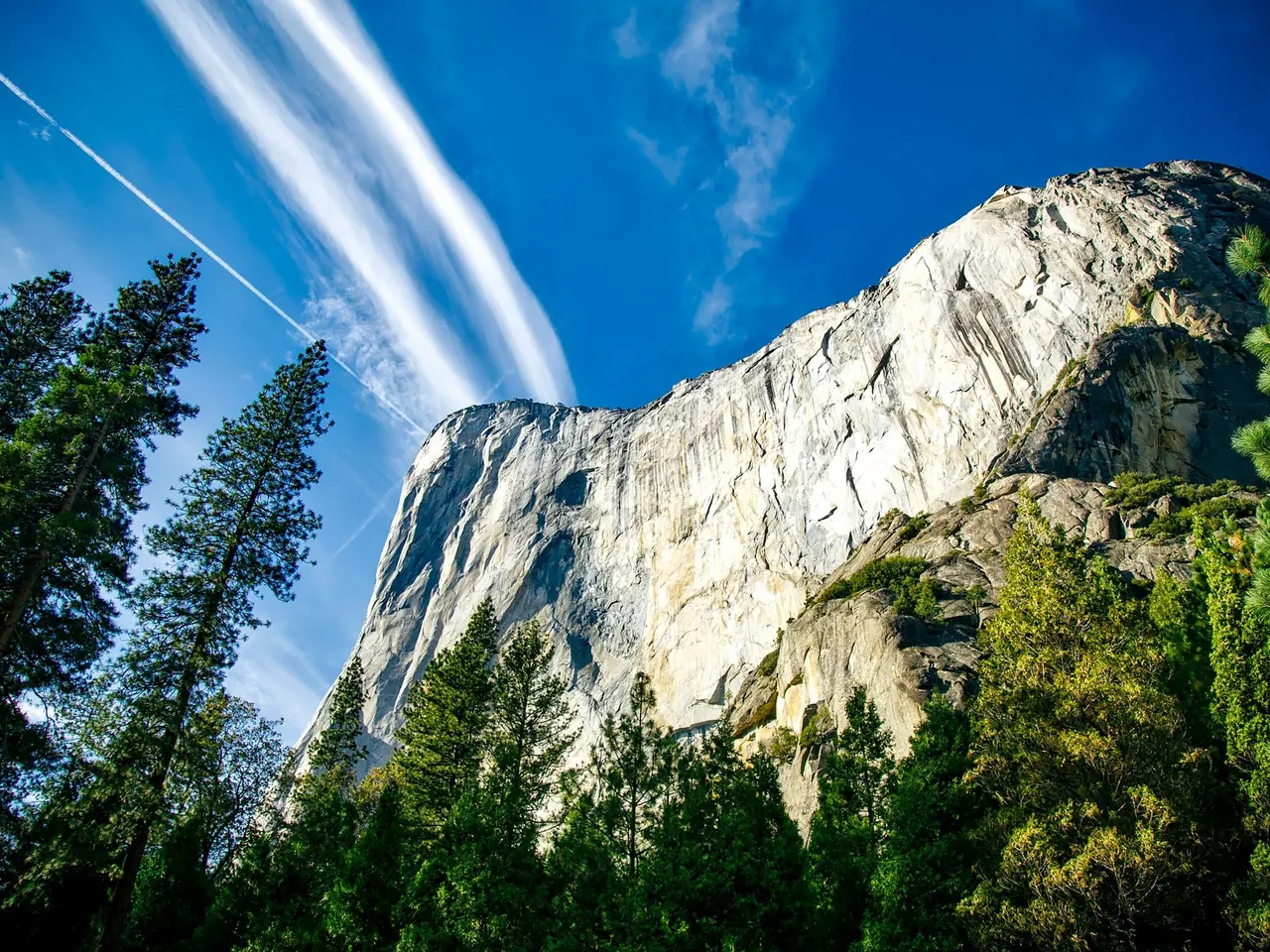
The historic birthplace of American big wall climbing, featuring iconic granite monoliths like El Capitan and Half Dome. Climbers from around the world flock to test their skills on its sheer vertical walls amid stunning waterfalls and towering pine forests.
Access. Enter via Highway 141 or 120 into Yosemite National Park; camping and lodging require advance reservations, and climbing permits may apply for specific routes.
Notes. Big wall climbing requires extensive technical rigging and self-rescue skills; afternoon thunderstorms and rockfall are common hazards.