
Climbing in China
Including Bailong River Valley, Getu Valley, and Liming. On the map.
The vibe
Climbing here is defined by dramatic limestone karst formations that rise abruptly from the earth like jagged teeth. Spring and autumn offer the most reliable friction and comfortable temperatures for long days on the wall. The scene is a mix of established international hubs where you can easily find partners and more obscure, quiet crags where you should be prepared to be self-sufficient.

Bailong River Valley
Gansu Province
Earth Science and Remote Sensing Unit , Lyndon B. Johnson Space Center / Wikimedia Commons (Public domain)
Located in Gansu province, Bailong offers splitter cracks and technical face climbing on solid limestone and conglomerate rock. It provides a remote, adventure-style climbing experience far away from the heavily touristed hubs of southern China. Climbers travel here to explore new lines and enjoy a rugged alpine-adjacent valley atmosphere.
Access. Access is typically from Lanzhou via long-distance bus or rented car to Wudu or Diebu. Local guides are sparse, so self-sufficiency, trad gear, and expedition planning are required.
Notes. Trad and mixed routes predominate; bring a full rack and be mindful of loose rock on uncleaned lines.

Getu Valley
Guizhou
Earth Science and Remote Sensing Unit, NASA Johnson Space Center / Wikimedia Commons (Public domain)
Getu Valley features breathtaking limestone karst arches and massive underground caves with overhanging tufa climbing. Climbers travel here for world-class steep routes and multi-pitch lines inside cathedral-like subterranean chambers. It is one of China's most dramatic and visually stunning sport climbing destinations.
Access. Fly to Guiyang, take a train to Ziyun county, and hire a local driver or bus to Getu village. The climbing areas are a short hike from the village, and local guesthouses can provide beta and basic gear support. Best visited in spring and autumn.
Notes. Grades skew steep and pumpy, ranging from 5.10 to hard 5.14. Be prepared for high humidity and occasional rain inside the caves.
Liming
Yunnan
Liming is renowned for its vast expanses of red sandstone featuring incredible parallel cracks, pods, and face pockets. It is arguably China's premier traditional climbing destination, offering hundreds of bolted and trad routes across a stunning labyrinth of canyons. Climbers travel here for flawless splitter cracks reminiscent of Utah's Indian Creek.
Access. Fly to Lijiang, then take a shared van or hire a driver north to Liming village in the Yunnan province. The crags are within walking distance or a short drive from local climber-friendly guesthouses. Best climbing season is autumn through spring.
Notes. Soft sandstone requires care after rain; avoid climbing on wet rock to prevent damaging the fragile friction holds.

Siguniang Mountain
Sichuan Province
Zhangmoon618 / Wikimedia Commons (CC BY-SA 3.0)
Mount Siguniang (Four Girls Mountain) is the epicenter for alpine mountaineering and technical ice and mixed climbing in Sichuan. High-altitude peaks feature snow, ice, and granite ridges that test mountaineers from around the globe. Climbers travel here for high-altitude expedition training and serious alpine routes.
Access. Drive from Chengdu to Rilong town, which serves as the base for all expeditions into the valleys. Local alpine guides and pack animals can be arranged through local mountaineering associations in Rilong.
Notes. Permits are strictly required from the local scenic area and climbing association. Proper acclimatization is essential due to high elevations exceeding 5,000 meters.

Tung Lung Chau
Hong Kong
Isaac Wong ( 惡德神父 ) / Wikimedia Commons (CC BY-SA 3.0)
Tung Lung Chau is Hong Kong's most iconic sport climbing destination, featuring high-quality volcanic rock cliffs overlooking the South China Sea. The island offers a variety of well-bolted routes ranging from beginner-friendly slabs to challenging overhangs.
Access. Accessible via a short ferry ride from Shau Kei Wan or Sam Ka Tsuen. Climbers typically base themselves in Hong Kong city, accessing the crag for day trips; gear can be rented at shops in the Kowloon area.
Notes. Best climbed from autumn to spring to avoid extreme summer heat and humidity. The rock is generally solid, but always check for loose flakes.
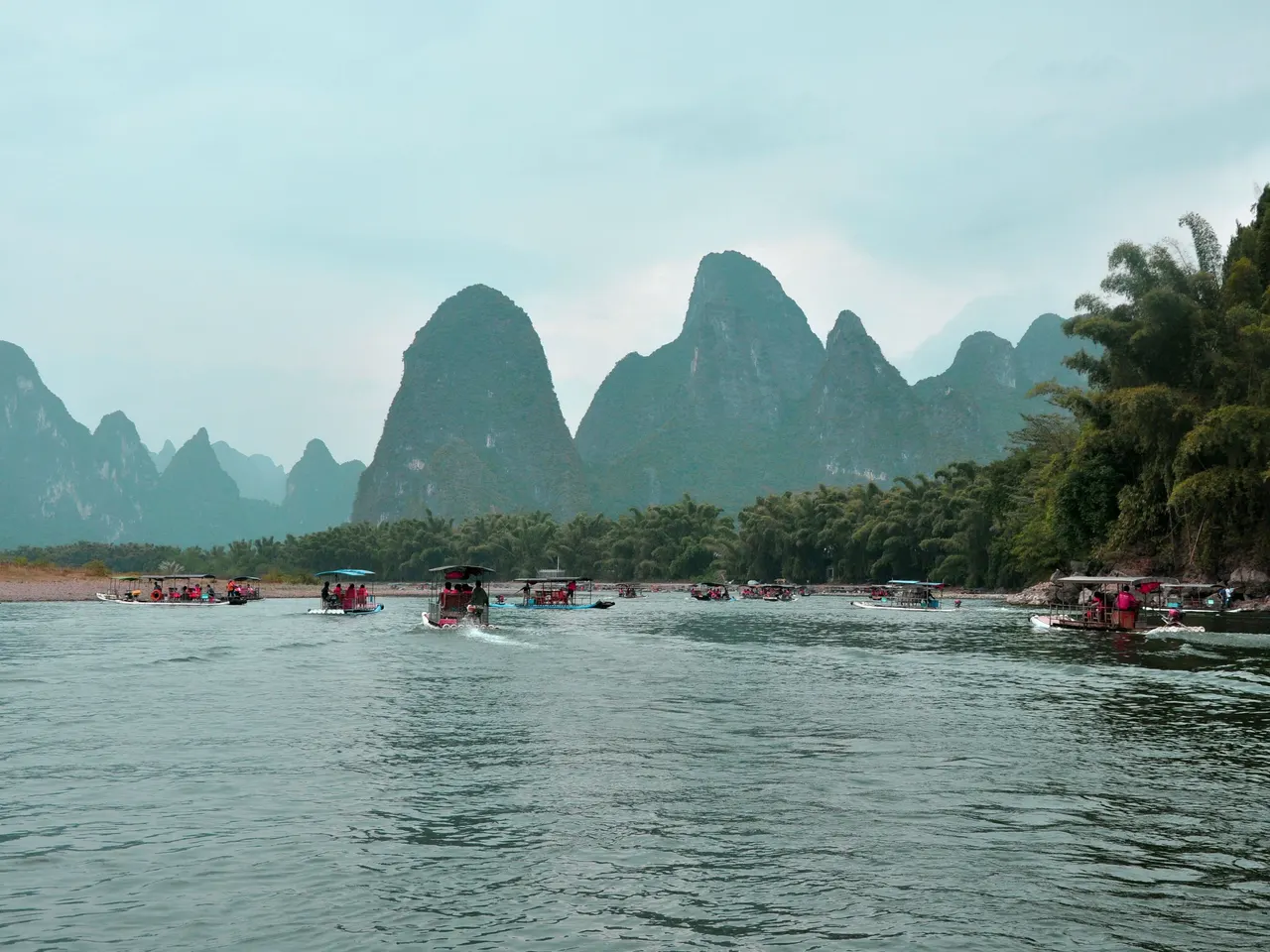
Yangshuo
Guangxi
Anciaes · Pexels
World-famous karst limestone climbing destination featuring thousands of bolted routes spread across dramatic tower formations rising above rivers and rice paddies. Climbers travel here for steep overhangs, tufa-laced caves, and an extensive selection of routes ranging from moderate to extreme grades.
Access. Fly into Guilin Liangjiang International Airport, then take a bus, taxi, or high-speed train connection to Yangshuo. Local gear rental, guiding services, and guidebooks are readily available in Yangshuo town and Moon Hill village.
Notes. Grades typically range from 5.6 to 5.14 with abundant steep sport climbing. Best climbing season runs from autumn through spring to avoid extreme summer heat and humidity.