
Beaches in Australia
Including Bondi Beach, Byron Bay Main Beach, and Cable Beach. On the map.
The vibe
Australia’s coast stretches for thousands of kilometres, offering everything from wide, sandy stretches that feel almost otherworldly to secluded coves where the only sound is the surf. The best time to soak up the sun is during the summer months when the water is warm and the skies are clear, but the coast remains inviting even in cooler seasons. Visitors often find a blend of bustling holiday spots and untouched stretches, depending on where they head, giving a sense of both adventure and serenity.

Bondi Beach, Sydney
New South Wales
Ted Hood / Wikimedia Commons (Public domain)
Sydney's most famous crescent of golden sand framed by sandstone headlands and rolling surf breaks. The vibrant shore combines iconic beach culture with lively seaside cafes and the historic ocean pool.
Access. A straightforward 30-minute bus or train-plus-bus trip from central Sydney. Extremely popular, highly accessible, and flanked by full urban amenities.
Notes. Strong rip currents (especially the famous Backpackers' Express rip near the southern end) require swimming strictly between the red and yellow flags.

Byron Bay Main Beach, New South Wales
New South Wales
Chris.sherlock2 / Wikimedia Commons (CC BY-SA 4.0)
Golden sand stretches along the iconic surf break of Byron Bay, with clear blue water and a relaxed town vibe. The beach is perfect for swimming, sunbathing, and watching the sunrise over the Pacific.
Access. Located just a short walk from Byron Bay town centre; ample parking, surf schools and cafés line the promenade.

Cable Beach, Broome
Western Australia
svenimartini / Wikimedia Commons (CC BY-SA 3.0)
Famed for its 22 kilometers of pristine sun-bleached white sand stretching along the turquoise waters of the Indian Ocean. It is renowned for legendary dramatic sunsets and the iconic sunset camel trains walking the shore.
Access. Easily reached by a short drive, public bus, or taxi from downtown Broome. Well-equipped with parking, cafes, and lifesaver patrols near the main ramp.
Notes. Marine stingers (box jellyfish) are present in the coastal waters during the warmer months from November to May, requiring caution or swimming enclosures.

Cape Tribulation Beach, Daintree Rainforest, Queensland
Queensland
AwOiSoAk KaOsIoWa / Wikimedia Commons (CC BY-SA 3.0)
Set within the ancient Daintree Rainforest, Cape Tribulation’s white‑sand beach meets crystal‑clear tropical water, framed by lush jungle and mangroves. It’s a remote paradise for beach lovers.
Access. Reachable via a 4WD track from the town of Cape Tribulation; limited eco‑lodges and guided tours operate here.
Notes. Tides can be strong; swim only in safe zones. Mosquitoes common in wet season.

Coral Bay, Ningaloo Coast, Western Australia
Western Australia
Korkut Tas / Wikimedia Commons (CC BY-SA 3.0)
Coral Bay offers a wide, white‑sand shoreline with calm, turquoise waters ideal for swimming and snorkeling directly from the beach. The backdrop of the Ningaloo Reef adds vibrant marine life.
Access. Served by a small airport and daily shuttle from Exmouth; the town provides basic amenities and tour operators.
Notes. Seasonal jellyfish (Irukandji) may appear; wear protective swimwear during summer months.

Cottesloe Beach, Perth, Western Australia
Western Australia
Rob McGregor / Wikimedia Commons (CC BY 3.0)
Cottesloe boasts a long, gently curving shoreline of soft golden sand backed by palm‑lined promenades and turquoise Indian Ocean water. It’s famous for spectacular sunsets and a lively beach culture.
Access. Easily reached by public transport or car from Perth; nearby cafés, lifeguard services and ample parking.

Direction Island Beach, Cocos (Keeling) Islands
Cocos (Keeling) Islands
David Stanley from Nanaimo, Canada / Wikimedia Commons (CC BY 2.0)
A pristine, remote tropical paradise featuring crystal-clear turquoise waters and soft, blindingly white sand. It is widely considered the crown jewel of the Cocos (Keeling) Islands, offering a serene swimming experience in a protected lagoon setting.
Access. Accessible via a short ferry ride from West Island; limited facilities, so visitors should bring their own supplies.
Notes. Remote location; check local ferry schedules as they vary by day.

Ethel Beach, Christmas Island
Christmas Island
David Stanley from Nanaimo, Canada / Wikimedia Commons (CC BY 2.0)
Ethel Beach is a popular local spot featuring a small sandy opening flanked by dramatic limestone cliffs and rich coral reefs. It is widely regarded as one of the best locations on the island for relaxing near the water and enjoying coastal views.
Access. Easily reached by car via an unsealed road with parking available close to the shoreline. Facilities include a picnic shelter and BBQ area.
Notes. The shallow reef flat requires reef shoes for comfortable wading and exploration.

Four Mile Beach, Port Douglas
Queensland
Bahnfrend / Wikimedia Commons (CC BY-SA 4.0)
A sweeping expanse of golden-tan sand backed by towering coconut palms, stretching for miles along the warm Coral Sea. It offers a relaxed tropical beach vibe within easy walking distance of Port Douglas village.
Access. Directly accessible on foot from central Port Douglas or via short drives with ample parking spots along Macrossan Street extensions.
Notes. Stinger season applies from November to May; use designated netted swim enclosures.

Green Island Beach, Queensland
Queensland
Kerry Raymond / Wikimedia Commons (CC BY 4.0)
Just off the coast of Cairns, Green Island boasts a short stretch of powdery white sand and crystal‑clear lagoon water, surrounded by coral reefs visible from the shore. It’s a popular day‑trip spot for beach relaxation and snorkeling.
Access. Regular ferries from Cairns drop passengers on the island; facilities include a café, showers and lifeguard patrols.
Notes. Crowds can be high during peak season; limited shade on the beach.

Greens Pool, Denmark
Western Australia
Fvanrenterghem / Wikimedia Commons (CC BY 3.0)
A tranquil, protected swimming beach featuring calm, emerald-tinted water encircled by massive, smooth rounded granite boulders. The natural rock barrier creates a giant wading pool sheltered from the rough Southern Ocean swells.
Access. Located within William Bay National Park, a 20-minute drive west of Denmark. Features a sealed parking area, boardwalks, and restrooms.
Notes. Can become busy during peak summer school holidays; parking fills up early in the day.

Hyams Beach
New South Wales
Dave Naithani / Wikimedia Commons (CC BY-SA 3.0)
Fine quartz sand so pale it squeaks underfoot, facing the sheltered aqua waters of Jervis Bay. A classic South Coast NSW swim spot with a relaxed village feel and consistently clear, gentle surf. One of Australia's best-known bright white-sand beaches.
Access. About 3 hours south of Sydney by car; street parking in the village, short walk to the sand. Popular on summer weekends; basic village shops nearby.
Notes. Can feel crowded on peak summer days; parking fills early.

Little Salmon Bay, Rottnest Island
Western Australia
Pedro Szekely from Los Angeles, USA / Wikimedia Commons (CC BY-SA 2.0)
A picturesque, protected horseshoe-shaped cove on car-free Rottnest Island boasting crystal-clear turquoise waters and shallow reefs. An underwater snorkel trail marked with lifebuoys guides swimmers among colorful reef fish.
Access. Reached by ferry from Perth or Fremantle, followed by bicycle rental or island hop-on hop-없이 bus to Little Salmon Bay.
Notes. Sun exposure is intense with limited shade on the beach; cyclists must navigate rolling island hills.

Lizard Island, Great Barrier Reef, Queensland
Queensland
Elisfkc / Wikimedia Commons (CC BY-SA 4.0)
Lizard Island’s secluded beaches showcase powder‑white sand and crystal‑clear lagoon water, framed by tropical rainforest and coral reefs. The isolation creates an exclusive, postcard‑perfect experience.
Access. Reachable only by charter flight or boat from Cairns; the island has a luxury resort and limited day‑trip tours.
Notes. Seasonal jellyfish may appear; reef‑protected area requires permits for certain activities.

Lucky Bay, Esperance
Western Australia
Travel & Shit from Brighton, UK / Wikimedia Commons (CC BY-SA 2.0)
Celebrated for blindingly white, squeaky silica sand and dazzling crystal-clear turquoise waters within Cape Le Grand National Park. It is uniquely famous for friendly wild kangaroos frequently lounging right on the pristine shoreline.
Access. Located about a 45-minute drive east of Esperance on sealed and gravel park roads. Campground and basic facilities are available on-site.

Monkey Mia Beach, Shark Bay
Western Australia
W. Bulach / Wikimedia Commons (CC BY-SA 4.0)
A calm, shallow sandy shoreline along the World Heritage-listed waters of Shark Bay, famous for its calm turquoise expanse. Soft white-and-beige sands slope gently into clear waters where wild Indo-Pacific bottlenose dolphins visit.
Access. Located inside the Shark Bay resort area, about a 3-hour drive from Geraldton or via scheduled regional flights to Shark Bay Airport.
Notes. Dolphin interaction is strictly regulated and managed by wildlife rangers.

Mooloolaba Beach, Sunshine Coast, Queensland
Queensland
Tanya Dedyukhina / Wikimedia Commons (CC BY 3.0)
Mooloolaba features a wide stretch of fine, golden sand and calm, clear waters ideal for families and swimmers. The beachfront promenade offers restaurants, shops and a vibrant esplanade.
Access. Directly accessible from the town centre; ample parking, bike paths and frequent bus services.

Noosa Main Beach, Noosa
Queensland
Kgbo / Wikimedia Commons (CC BY-SA 3.0)
A rare north-facing golden sand beach sheltered by the headlands of Noosa National Park, offering gentle, crystal-clear waves ideal for relaxed swimming. Backed directly by vibrant Hastings Street, it blends natural beauty with upscale resort convenience.
Access. A short stroll from accommodations along Hastings Street in Noosa Heads; day trips easily made from Sunshine Coast or Brisbane.

Ocean Beach, Denmark
Western Australia
John Tann from Mullumbimby, Australia / Wikimedia Commons (CC BY 2.0)
A sprawling, iconic stretch of golden sand that serves as the primary surf beach for the region. It is famous for its powerful Southern Ocean swells and wide, pristine shoreline perfect for long walks and sunbathing.
Access. Easily accessible by car from the town of Denmark with ample parking and surf life-saving patrols during peak summer months.
Notes. Strong rips and currents are common; always swim between the red and yellow flags.

Shell Beach, Shark Bay, Western Australia
Western Australia
Martin Kraft / Wikimedia Commons (CC BY-SA 3.0)
Shell Beach is a unique 70‑km stretch composed almost entirely of tiny crushed shells, with turquoise water lapping over the shell‑covered shore. The surreal landscape is a photographer’s dream.
Access. Accessible via 4WD tracks from Denham; basic camping facilities are available nearby.
Notes. The shell surface can be sharp underfoot; wear shoes. No lifeguard services.

Turquoise Bay, Exmouth
Western Australia
Ian Muirhead / Wikimedia Commons (CC BY-SA 3.0)
Showcasing impossibly clear, fluorescent turquoise waters meeting powdery white sand right at the edge of the Ningaloo Reef. Swimmers can simply wade in from the shore to drift over vibrant coral gardens teeming with marine life.
Access. Reached via a 60-kilometer drive south of Exmouth within Cape Range National Park. Unpaved access roads lead to well-marked parking areas and beach paths.
Notes. Strong drift currents run across the reef channel; swimmers must enter south and drift north, exiting before the main channel current sweeps out.

Wategos Beach, Byron Bay, New South Wales
New South Wales
Maksym Kozlenko / Wikimedia Commons (CC BY-SA 4.0)
Tucked behind the Byron Bay Lighthouse, Wategos features soft golden sand, gentle surf and striking cliffs, creating a secluded yet accessible beach vibe. The water is clear and often calm, ideal for swimming.
Access. A short, steep walk from the car park at Wategos; nearby cafés and surf schools serve the area.
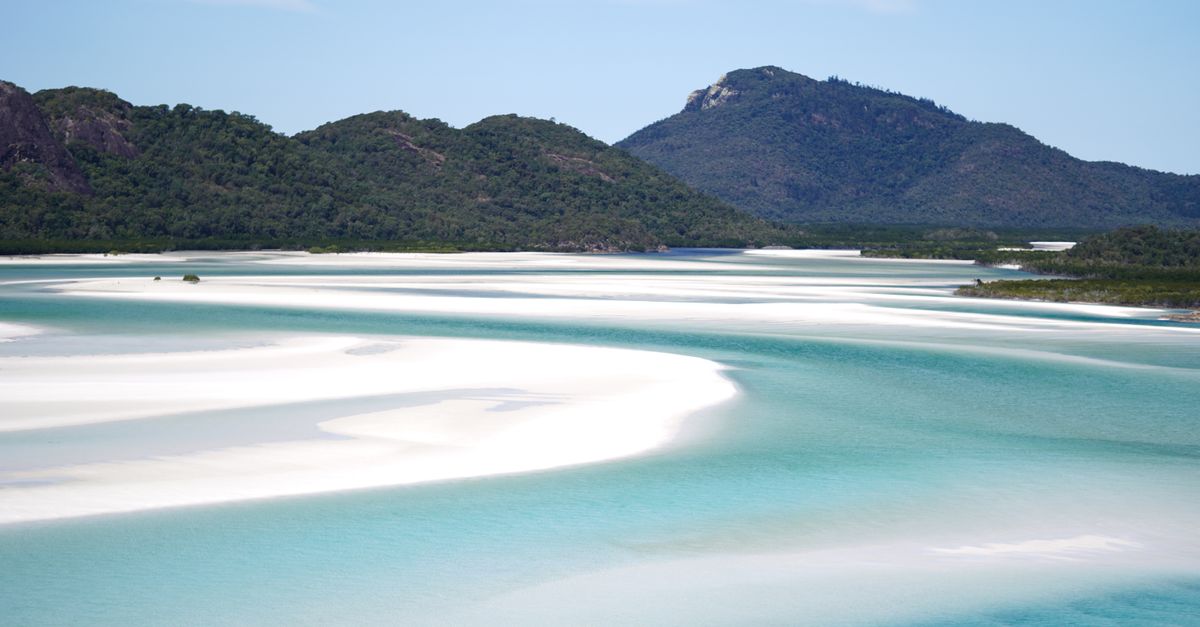
Whitehaven Beach
Queensland
Photo by Paul Pulimoottil on Pexels
A long sweep of almost blindingly bright silica sand on Whitsunday Island, lapped by calm turquoise water. Hill Inlet at the northern end mixes pale sand with shallow channels for an iconic Great Barrier Reef postcard. Widely regarded as one of Australia's finest white-sand swimming beaches.
Access. Day trips by boat or seaplane from Airlie Beach and Hamilton Island; no road access. Busy on weekends and holidays; limited shade and facilities on the beach itself.
Notes. Marine park rules apply; stingrays and jellyfish possible in warmer months.

Wineglass Bay, Freycinet National Park
Tasmania
Bjørn Christian Tørrissen / Wikimedia Commons (CC BY-SA 3.0)
A breathtaking crescent of pristine white sand curving along deep sapphire-blue waters, framed by the pink granite peaks of the Hazards range. The stunning visual symmetry makes it one of Tasmania's premier natural landmarks.
Access. Accessed via a rewarding 1.5-hour return hike up and over the forested saddle from the Freycinet National Park visitor center car park.
Notes. Weather can change rapidly in Tasmania; hikers should carry adequate water and windproof layers.